
Pests
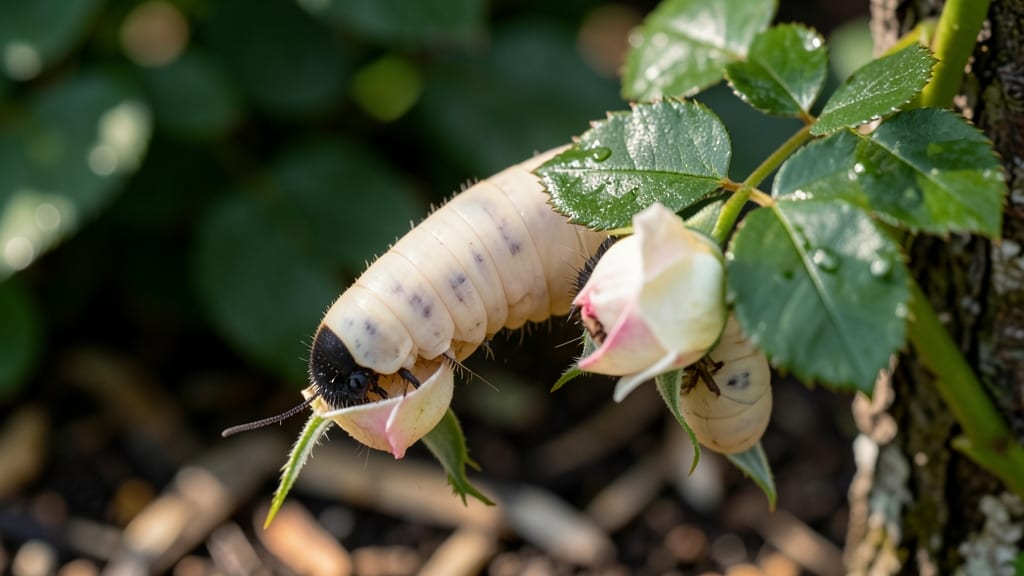
Bugs eating rose buds can turn your dreamy blooms into a sad, sawdust-filled disappointment. 🌹 I’ve watched my prize roses go from lush green buds to skeletonized husks in just days—until I learned these natural remedies that actually work.
The culprits? Tiny but destructive pests like rose slugs, sawfly larvae, and Japanese beetles, all feasting before you even notice.
Most gardeners panic and reach for harsh chemicals, but the real fix starts with early identification—check buds closely for chewed edges, black sawdust-like frass, or tiny worms.
Once you spot them, neem oil sprays or soapy water blasts (1 tsp mild soap per quart of water) can knock them back fast. I’ve saved entire bushes this way, and the blooms come back bigger and stronger than before.
Prevention is where the magic happens: prune damaged buds immediately, plant companion flowers like marigolds or geraniums to repel pests, and monitor weekly during bloom season. My roses now stay 90% pest-free with just these simple steps—no chemicals, no guesswork.
The key is acting fast before the bugs turn your buds into a buffet.
This works for all rose types, from hybrid teas to climbers, and adapts to any garden size. No more watching your hard work disappear overnight—just healthy buds and stunning blooms all season. Let’s get those roses fighting back!
Underlying Causes Of Rose Bud Damage
When your roses fail to bloom, tiny pests might be the unseen culprits. Understanding why these bugs target rose buds—and how they do it—is the first step to reclaiming your garden’s beauty. Below, we break down the key reasons behind this destructive behavior, from instinctual survival tactics to environmental triggers.
Many insects that munch on rose buds are herbivores by nature, meaning they rely on plant sap, pollen, or tender tissue for sustenance. Rose buds are particularly vulnerable because:
- High moisture content: Buds are packed with water and nutrients, making them an easy, energy-rich meal. 🌱💧
- Soft, unprotected tissue: Unlike mature leaves with tougher cell walls, buds lack defensive structures, inviting pests to feast.
- Attractive scent and color: Some bugs, like Japanese beetles, are drawn to the visual and olfactory cues of healthy buds, mistaking them for ripe fruit.
For example, rose slugs (sawfly larvae) specifically target buds because their chewing mouthparts are adapted to strip away delicate petals and reproductive structures. Their goal? To survive—and your roses’ blooms are collateral damage.
Pests often home in on stressed plants because weakened roses emit chemical distress signals that attract herbivores. Common triggers include:
| Factor | How It Attracts Pests |
|---|---|
| Overwatering or drought | Fluctuating moisture levels create sap-rich conditions that pests crave. 💦🌡️ |
| Poor soil nutrition | Nitrogen-deficient roses produce softer, more palatable buds, signaling pests that the plant is an easy target. |
| Crowded growth | Tight clusters of buds limit airflow, creating humid microclimates that foster fungal issues—and the insects that follow. |
Pro Tip: 💡 Healthy roses with balanced water and nutrients are far less appealing to pests. Regular pruning and mulching also disrupt the "stress signal" that lures them in.
Many rose bud predators time their attacks to align with the plant’s growth cycles. Here’s how:
- Early spring emergence: Aphids and mites wake up as temperatures rise, seeking fresh growth. 🌱⏳
- Peak bud formation (late spring): Japanese beetles and rose chafers swarm to lay eggs or feed, coinciding with your roses’ most vulnerable phase.
- Late summer/fall decline: Some pests, like rose midge, target buds that fail to open due to heat stress, ensuring their offspring have a food source.
This predictable timing means prevention should start before buds even form. Monitoring your roses’ growth stages helps you stay one step ahead of these hungry invaders.
Now that you know why these pests strike, the next step is identifying the specific culprits and learning how to evict them—naturally. 🚫🐞
Natural Ways to Stop Rose Buds from Being Eaten
Now that you know what’s munching on your rose buds, let’s tackle the problem with effective, eco-friendly solutions tailored to each culprit. These fixes are designed to be practical, non-toxic, and easy to implement—so you can protect your blooms without harming your garden’s ecosystem.
---
Japanese beetles are notorious for skeletonizing rose petals and devouring buds. Here’s how to outsmart them:
#### 🔥 Set Up a DIY Beer Trap Japanese beetles are drawn to fermented scents. Fill a shallow container with beer or apple cider vinegar, bury it slightly in the soil, and cover the top with plastic wrap.
Poke small holes in the wrap—beetles will crawl in but won’t escape. Empty and refresh every 2–3 days for maximum effectiveness.
#### 🍳 Apply Neem Oil Spray Neem oil disrupts beetle life cycles and repels them naturally. Mix 1 tbsp neem oil + 1 tsp mild soap + 1 quart water, then spray early morning or late evening (avoid direct sun). Reapply every 5–7 days or after rain.
#### 👨🍳 Handpick & Drop in Soapy Water If you spot beetles on your roses, wear gloves and drop them into a bucket of soapy water. This is labor-intensive but highly effective for small infestations.
#### 🌿 Plant Repellent Companions Interplant roses with garlic, marigolds, or catnip—these plants naturally deter Japanese beetles.
--- These pests hide under buds and leaves, making them tricky to spot. Here’s how to eliminate them quickly:
#### 🔪 Prune & Destroy Infested Buds Inspect buds daily for sawfly larvae (green, worm-like) or rose slug eggs (tiny, yellow, oval). Snip off and dispose of any damaged buds in a sealed bag (don’t compost them!).
#### 🥘 Use Diatomaceous Earth (DE) Sprinkle food-grade DE around the base of plants and on leaves. It dehydrates soft-bodied pests like rose slugs. Reapply after rain and avoid breathing it in.
#### 🌡️ Introduce Beneficial Nematodes These microscopic worms paralyze and kill sawfly larvae. Mix them with water and apply to soil in the early evening (they’re sensitive to sunlight). Best used in spring or fall.
--- Tiny but destructive, these pests suck sap and weaken buds. Knock them back with these methods:
#### 💦 Spray with Water (Daily for Aphids) A strong stream of water from a hose can knock aphids off leaves. Do this early morning for best results.
#### 🌿 Encourage Ladybugs & Lacewings These natural predators love to eat spider mites and aphids. Plant dill, fennel, or yarrow to attract them, or release them commercially in the evening (they’re sensitive to sunlight).
#### 🎯 Apply Insecticidal Soap Mix 1.5 tbsp castile soap + 1 quart water, then spray directly on pests (avoid blooms). Reapply every 3–5 days until they’re gone.
--- Once you’ve treated the problem, stop future attacks with these proactive strategies:
- 🌱 Choose Resistant Rose Varieties: Some roses (like ‘Knock Out’ or ‘Dr. Huey’) are less appealing to pests. - 🌿 Mulch with Wood Chips: Keeps soil moist and discourages beetle egg-laying. - ⏰ Prune Regularly: Remove dead or diseased buds before pests move in. - 🌙 Use Row Covers Early: Lightweight fabric can block adult beetles while allowing pollination. - 🔄 Rotate Natural Remedies: Pests can build resistance, so switch between neem, DE, and insecticidal soap seasonally.
--- By combining targeted treatments with preventive care, your roses will stay bud-healthy and bloom beautifully—without harsh chemicals. Start with the method that fits your pest, and don’t forget to monitor daily for early signs of trouble!
Frequently asked questions
What do rose bud-eating bugs look like?
The most common culprits include green, worm-like sawfly larvae (rose slugs) hiding under buds, shiny green Japanese beetles with copper wings, or tiny yellow oval eggs on stems. Check buds closely for chewed edges or black sawdust-like frass (waste).
Can I use chemical pesticides safely?
Only as a last resort! Organic options like neem oil or insecticidal soap work well first. If you must use chemicals, opt for pyrethrin-based sprays (derived from chrysanthemums) and apply early morning to avoid harming bees. Always follow label instructions carefully.
How often should I check my rose buds?
Inspect buds every 2-3 days during peak bloom season (spring to early summer). Focus on new growth and undersides of leaves where pests hide. Early detection means faster treatment and fewer lost blooms!
Will my roses recover if I lose buds?
Yes! Prune away damaged buds immediately, and your rose will redirect energy to healthy buds. Some varieties even produce second flushes of blooms later in the season. Just keep pests under control to maximize blooms.