
Vegetables
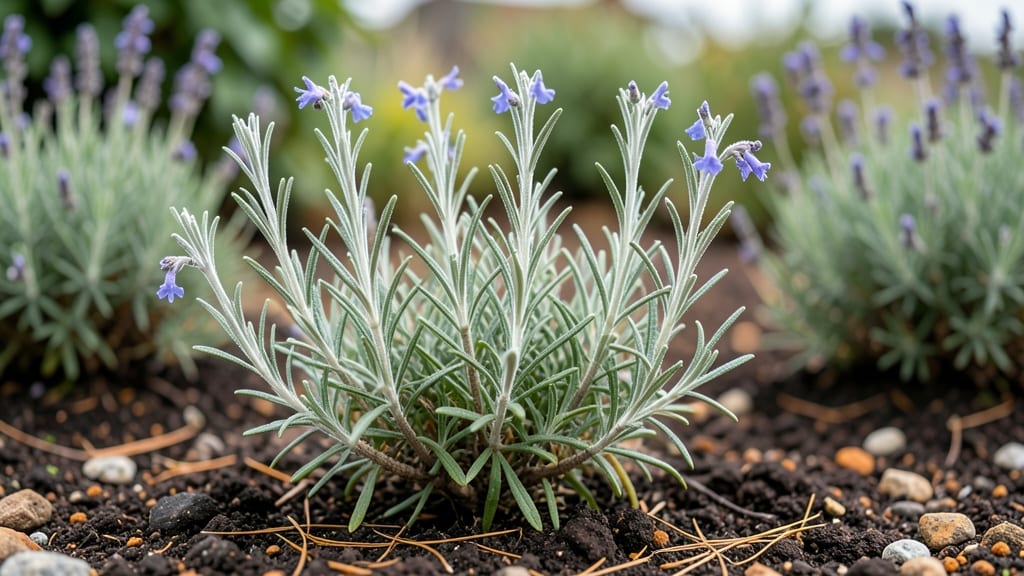
Rosemary green tea creates a fragrant herbal infusion with earthy-sweet notes and a hint of pine, best enjoyed when steeped at 195°F (90°C) for 3-5 minutes. Adding lemon or honey balances its herbal intensity beautifully.
This aromatic blend combines the bright acidity of green tea with rosemary's piney, slightly camphoraceous depth. 🌿 The key to unlocking its full potential lies in the brewing temperature—too hot, and you risk bitterness, while too cool dulls the herbal complexity.
Many tea enthusiasts swear by a second infusion: after your first cup, let the leaves sit in warm water for another 2-3 minutes to extract even more subtle flavors.
The pairing suggestions aren't just about taste either; lemon's acidity cuts through rosemary's richness, while honey adds a smooth sweetness that makes it perfect for chilly afternoons.
What makes this tea particularly interesting is how its flavor profile evolves. Freshly brewed, it's crisp and herbal, but as it cools, those piney undertones become more pronounced. I've found that serving it ice-cold with a splash of sparkling water transforms it into a refreshing summer drink.
For those who prefer their tea stronger, try adding a pinch of sea salt—it enhances the herbal notes while adding a satisfying depth.
💡 In This Article
- How to Grow Fresh Rosemary for Tea Blends
- Best Flavor Pairings to Elevate Rosemary Green Tea
How to grow fresh rosemary for tea blends
Rosemary thrives in conditions that mimic its Mediterranean origins, where it grows wild on rocky slopes. For optimal flavor, plant it in well-draining soil with a pH between 6.0 and 7.5—this range prevents bitterness while maximizing the essential oils that give rosemary its signature piney aroma.
The key is sunlight: place your rosemary in a spot that gets at least 6-8 hours of direct sunlight daily. Without enough light, the leaves become sparse and lose their vibrant green color and potent flavor. 🌞
When planting, choose a container with drainage holes if growing indoors, as rosemary hates soggy roots. The ideal soil mix combines equal parts potting soil, perlite, and coarse sand to ensure aeration.
Water the plant only when the top inch of soil feels dry—overwatering causes root rot, which dulls the herb's flavor. Prune regularly by snipping back one-third of the plant's length in early spring to encourage bushier growth and prevent woody stems.
Harvest leaves just before flowering when their essential oil content peaks.
Harvesting correctly makes all the difference in your tea's quality. Pinch off sprigs with your fingers rather than cutting with scissors to avoid damaging the plant. Use the younger, more tender leaves for tea—they're milder and more aromatic than the tougher older ones.
Store fresh rosemary in an airtight container in the fridge for up to 2 weeks, or freeze it in ice cube trays with water for easy tea additions later. Dried rosemary works too, but fresh always delivers brighter flavor.
What most people don't realize is that rosemary's flavor intensifies when grown in slightly cooler climates. While it's drought-tolerant, a Mediterranean climate with warm days and cool nights produces the most complex flavor profile.
If you live in a hot, humid area, try growing rosemary in partial shade during peak afternoon heat to prevent the leaves from becoming bitter. The same principle applies to watering: less is more—rosemary's natural resilience makes it thrive with minimal intervention.
For tea blends, focus on harvesting leaves from the middle of the plant rather than the tips. These leaves contain the highest concentration of rosmarinic acid, a compound that gives rosemary its distinctive aroma and potential health benefits.
When drying rosemary for tea, hang small bundles upside down in a dark, well-ventilated area for 2-3 weeks. The dried leaves should crumble easily between your fingers—a good sign they're ready for brewing. Store dried rosemary in a glass jar away from light to preserve its potency.
Consider these key factors when growing rosemary for tea:
- Light: Minimum 6 hours of direct sunlight daily—more is better for flavor intensity
- Soil: Well-draining mix with pH 6.0-7.5 to prevent bitterness
- Watering: Only when top inch of soil is dry—rosemary prefers drought conditions
- Harvesting: Use middle leaves before flowering for peak flavor and aroma
- Storage: Keep fresh in fridge for 2 weeks or freeze for longer shelf life
With proper care, your homegrown rosemary will yield tea with a depth of flavor that store-bought herbs simply can't match. The effort pays off in every sip—imagine the satisfaction of brewing tea with herbs you nurtured yourself! 🌿