
It started with one rose bush that kept dying
It was 2008, and I’d just planted a *Rosa ‘Knock Out’* in my grandfather’s garden in upstate New York. The soil was rich, the spot got full sun, and I’d watered it every morning like the extension service brochure said to.
But by July, the leaves turned yellow at the edges, then blackened. The stems weakened, and by August, the bush was a skeleton of itself.
I blamed the heat. Then I blamed the soil—maybe it was too heavy, too clay. Next, I thought it was the water: too much, then not enough. I dug deeper, adjusted the pH, even tried a commercial fertilizer. Nothing worked.
The bush would sprout new growth, then collapse again, as if something invisible was draining it.
The worst part was the silence. No wilting, no pests—just a slow, quiet surrender. That first winter, I buried my hands in the dirt around it, half-expecting to find the answer buried there. There was nothing. Just more dirt, and the stubborn, dying stems.
Nine tries before it worked
The second year, I replanted it in a raised bed with a 50-50 mix of compost and native soil. The leaves stayed green for three weeks before wilting again. The third year, I pruned it back to the ground in late winter, hoping for fresh growth.
It came—but by June, the new shoots were curled and stunted. I tested the soil again: perfect pH, enough nitrogen, no signs of disease.
On the fourth try, I moved it to a sunnier spot, closer to the house. The bush thrived for two months, then the edges of the leaves browned overnight. That’s when I noticed the tiny black spots on the undersides—aphids. I sprayed neem oil, but the damage was done.
The fifth attempt was worse: I overwatered after a dry spell, and the roots rotted before I noticed.
By the seventh year, I’d stopped guessing. I dug up the original bush, sectioned off the roots, and replanted each section in its own pot with fresh soil.
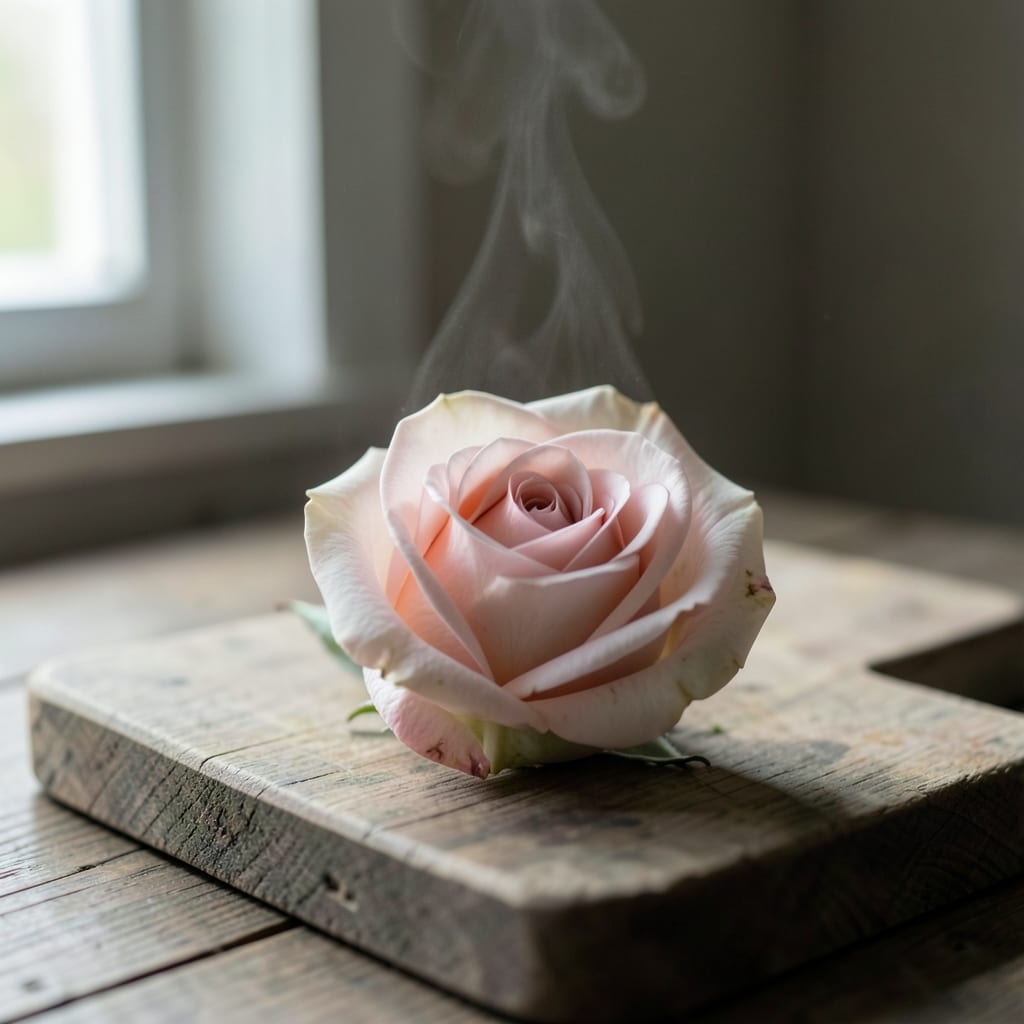
I monitored the moisture with a soil probe, adjusted the mulch depth, and—finally—kept a daily log of the weather, watering, and leaf changes. That August, a single bud opened. It was pale pink, imperfect, but alive.
The mind behind these pages

That rose bush is why I’m here. My name is Roland Janowski, and I’ve spent the last fifteen years doing the same thing to roses that I did to that stubborn *Knock Out*: digging, measuring, failing, and starting over.
This site isn’t about the perfect bloom—it’s about the work that comes before it, the dirt under the nails, and the lessons in every wilted leaf.
I’m the kind of person who keeps a garden journal with more crossed-out notes than clean entries. My grandfather used to say I had ‘gardener’s patience’—which, in his eyes, meant I’d try the same thing nine times before admitting I didn’t know what I was doing. He was right.
The habit cost me more than one failed transplant, but it’s how I learned that roses, like people, don’t follow rules—they follow what you notice.
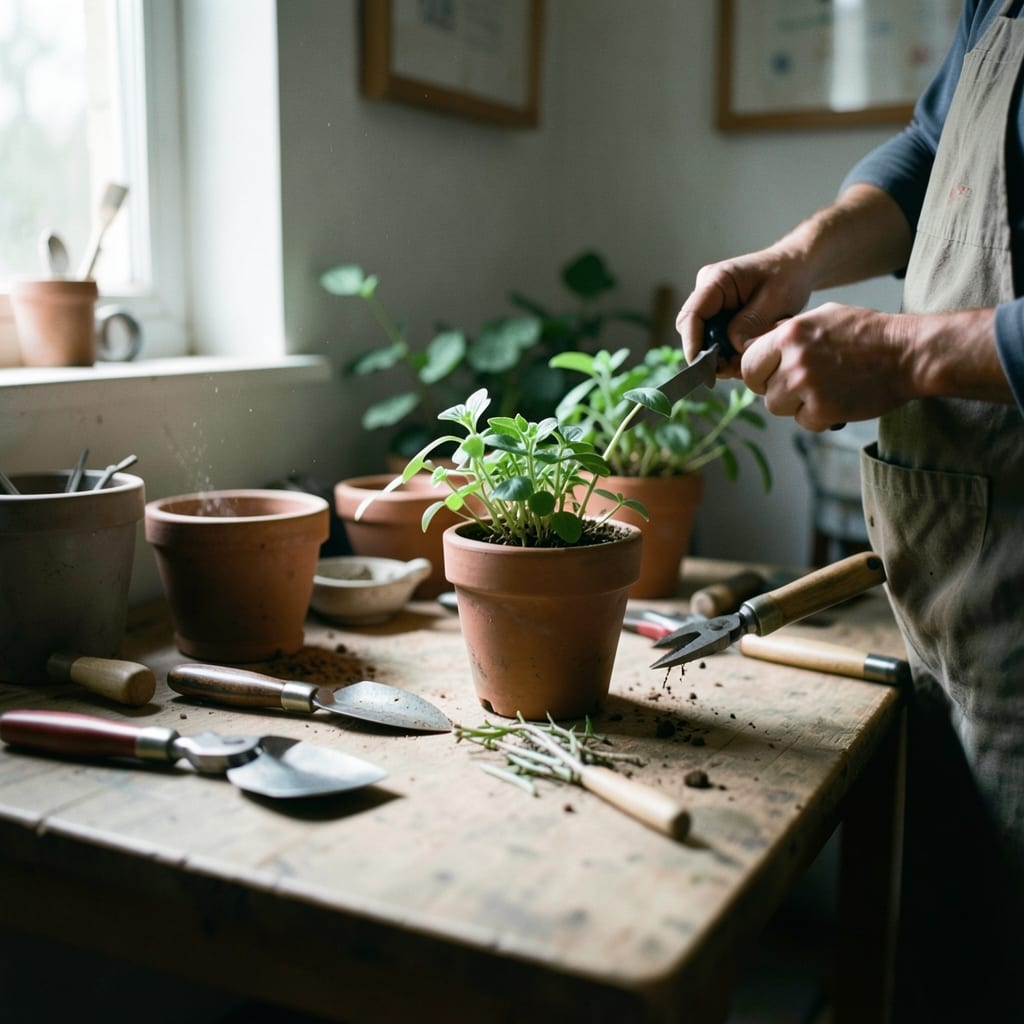
I also collect vintage gardening tools, which means my garage looks like a 1920s hardware store exploded. The pruners are my favorite: a pair of Felcos I bought in 2010, still sharp, still used every time I cut back a bush that’s outgrown its spot.
That first rose bush is still alive. It’s in a pot now, on the back porch, and it blooms twice a year—small, but stubborn. Just like the site.
Everything here is written the way that bush was
This site doesn’t publish a rose guide until it’s been grown in three different soils, three different climates, and three different years. The notes on pruning? Tested on a dozen bushes before they’re written. The soil mix for containers? Adjusted after the first batch of roots rotted.
Every page is a record of what worked, what didn’t, and what nearly killed the plant before it told the truth.
You’ll never see a ‘perfect’ rose here—just the ones that survived the trial. The language is the same: concrete, messy, and full of the things that almost went wrong. If a paragraph says ‘mulch deeply,’ it’s because I once buried a bush in sawdust and watched it suffocate.
If it warns about ‘black spot,’ it’s because I ignored the first signs until half the leaves were gone.
Months after a page goes live, I’ll get an email from someone who tried the method and it failed. That’s when I go back, add a new note, or rewrite the whole thing. The site isn’t static—it’s a living record, just like that rose bush in the pot.
What that means for you
If you’re here, you’re already doing the hard part: paying attention. You won’t find step-by-step lists that assume every garden is the same.
What you *will* find are the things that almost killed a plant before it bloomed—the soil tests that saved a bush, the pruning mistake that taught me to cut earlier, the fertilizer that worked in zone 5 but not zone 7.
This site is for the people who dig their hands into the dirt and wonder why it’s not working. The answers aren’t in the brochures. They’re in the failures, the logs, and the quiet lessons of a single stem that refuses to die.
If you’ve got a rose that’s outsmarting you—or a method that finally worked—send it. The best stories (and the worst disasters) end up here, and they help someone else avoid the same mistake. Head to the contact page to share.
The guides are grouped by category: Advice, Aphids, Blooming, Companion Plants, Container Gardens and Flowers.