
Pruning
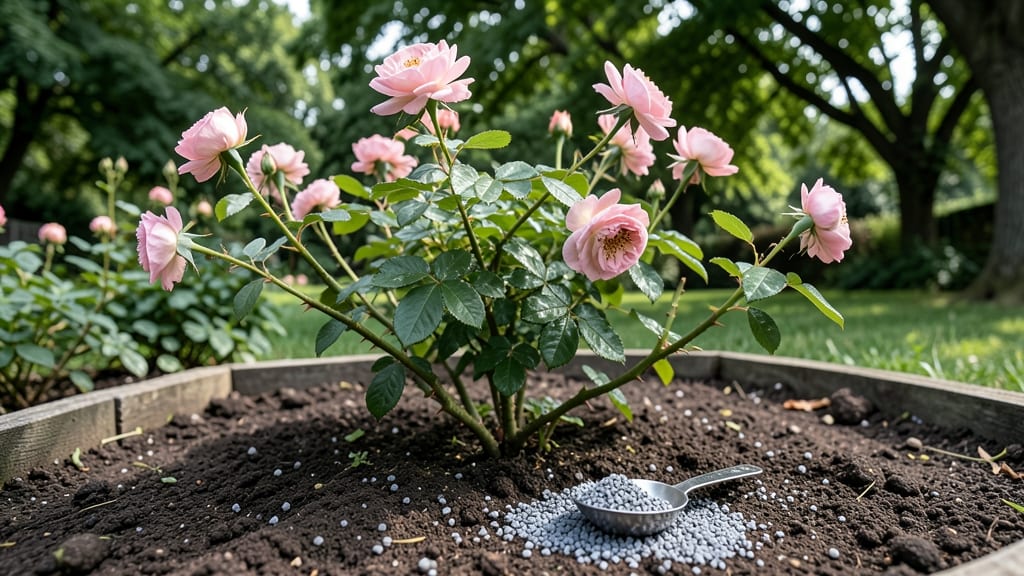
Ash can actually help roses thrive when used correctly, thanks to its alkaline properties and potassium content. 🌹 The key is balance—too much can throw off your soil's natural chemistry, especially if your roses prefer slightly acidic conditions.
I've seen gardeners achieve great results by mixing a thin layer of wood ash into the soil during early spring, but I always recommend testing your soil's pH first.
This ensures you're not creating an environment that's too alkaline, which could lead to nutrient deficiencies like iron chlorosis in your roses.
For those concerned about overuse, remember that ash breaks down slowly. A light application—about a pound per 100 square feet—is plenty to make a difference without risking harm. If you're unsure, organic alternatives like crushed eggshells or lime can achieve similar pH adjustments with less risk of imbalance.
💡 In This Article
- How Wood Ash Affects Rose Soil Chemistry
- Best Practices for Using Ash on Roses
How wood ash affects rose soil chemistry
Wood ash acts as a natural soil amendment because it's highly alkaline, with a pH typically ranging from 10.5 to 12.5 when dissolved in water. When mixed into garden soil, it reacts with acidic compounds like hydrogen ions, effectively raising the soil's pH level.
This chemical process is called neutralization, where the calcium carbonate and potassium carbonate in ash bind with acidic particles, creating water and salts that increase alkalinity.
For roses, which generally thrive in slightly acidic to neutral soil (pH 6.0 to 7.0), this can be beneficial if your soil is too acidic—often indicated by yellowing leaves or stunted growth.
The potassium content in wood ash—about 3-5% by weight—is another key benefit. Potassium is essential for roses, helping them develop strong stems, vibrant blooms, and resistance to diseases like black spot. However, the real magic happens in the soil's microbial ecosystem.
Ash also contains trace amounts of phosphorus and calcium, but its most significant impact comes from its ability to alter the availability of micronutrients like iron, manganese, and zinc.
In alkaline conditions, these nutrients become less soluble, which can lead to deficiencies—especially iron chlorosis, where new leaves turn yellow while veins remain green. This is why testing your soil's pH before applying ash is critical.
Here’s what happens chemically when ash meets soil: The calcium and magnesium in ash exchange places with hydrogen ions in the soil, a process called cation exchange. This not only raises pH but also makes essential nutrients more accessible to plant roots.
However, the flip side is that excessive ash can create a "salt effect," where sodium and chloride ions accumulate in the soil solution.
Over time, this can disrupt the balance of beneficial microbes that help roses absorb nutrients, leading to poor root health or even toxicity symptoms like brown leaf edges or wilting.
Consider this comparison: A light application of ash (about 1/4 to 1/2 cup per plant) can boost potassium levels by 10-20% while gently adjusting pH, but doubling that amount risks creating a soil environment where nutrients become locked out.
The texture of ash—fine and powdery—means it dissolves quickly in moist soil, so rain or watering will spread its effects rapidly. For gardeners with clay-heavy soil, ash can also improve drainage by breaking up compacted particles, but sandy soils may require less due to faster leaching.
One often-overlooked factor is the type of wood used to make the ash. Hardwoods like oak or maple produce ash with higher calcium content, while softwoods like pine contain more potassium but also higher levels of volatile organic compounds that can temporarily harm soil microbes.
Always use ash from untreated wood—no pressure-treated lumber or chemically treated firewood—and let it cool completely before applying to avoid burning roots with residual heat.
To visualize the impact, imagine your rose soil as a delicate balance scale. Adding ash tips the scale toward alkalinity, which can be helpful if your roses are struggling in acidic soil, but too much weight on one side (like excessive ash) can topple the entire system.
The goal is to create a stable environment where nutrients are available, microbes thrive, and roots can access what they need without competition from salt buildup.