
Pruning
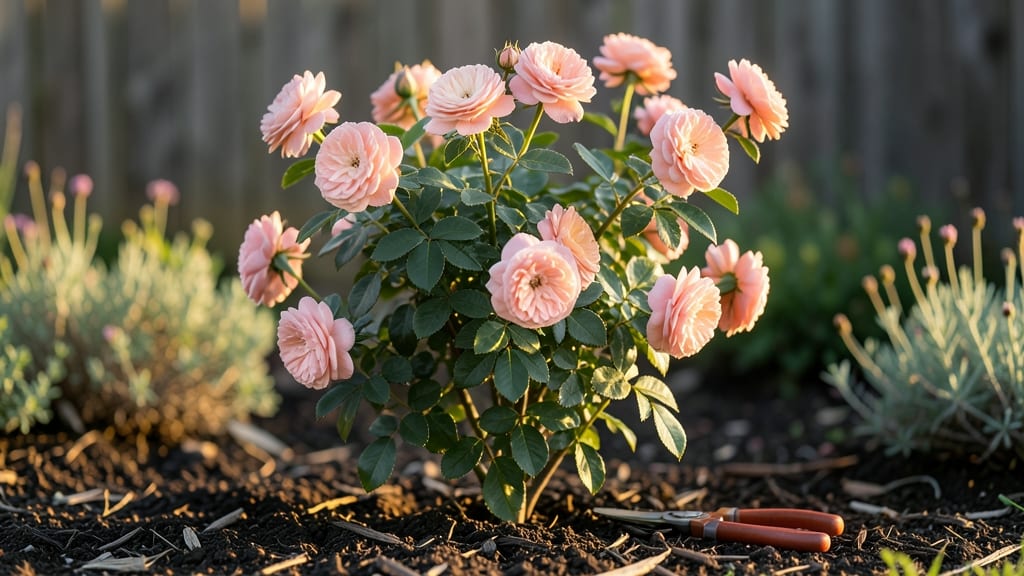
Cape Cod roses bloom like clockwork—vibrant, fragrant, and disease-resistant—but their secret lies in the right pruning. ✂️ I’ve watched these roses transform from tangled messes into showstopping shrubs after mastering just three cuts each season, and the difference in blooms is night-and-day.
The key isn’t just when you prune, but how you shape the plant to encourage strong, healthy growth all year.
These roses thrive in full sun to partial shade and well-draining soil, but their real magic happens after you prune. Start by removing dead or crossing branches in late winter, then trim back by one-third in early spring to promote new growth.
The result? Longer stems, bigger blooms, and fewer gaps—no more leggy, sparse bushes. Even their fragrance intensifies after proper pruning, filling your garden with that classic rose scent.
By summer, you’ll see thicker foliage and more buds forming, and a final light pruning in early fall keeps them tidy for winter. The payoff? Roses that bloom earlier, harder, and longer than store-bought varieties, with fewer pests and diseases to fight.
It’s the kind of care that turns a pretty bush into a year-round star—no fancy tools or green thumbs required.
Works for new plantings or established shrubs, and adapts to containers or garden beds. The same principles apply whether you’re dealing with a single rose or a whole hedge. Here’s how to get started without overcomplicating it.
📚 In This Guide
- What you need
- Instructions
- Tips and common mistakes
- Wrapping up and next steps
What you need
- ● Pruning shears: Sharp, bypass-style shears (2-3 pairs) with clean, sterilized blades (soak in 10% bleach solution or use rubbing alcohol between plants).
- ● Loppers: 1 pair (8–12 inches) for thicker stems (½–1.5 inches in diameter).
- ● Pruning saw: 1 (for stubborn, woody growth—look for a bow saw or pruning saw with a fine-tooth blade).
- ● Gloves: Heavy-duty, cut-resistant gloves (e.g., leather or Kevlar) to protect from thorns and debris.
- ● Disinfectant: 1 bottle (70% isopropyl alcohol or copper-based fungicide to prevent disease spread).
- ● Rubbing alcohol or bleach: For sterilizing tools between cuts (1:10 dilution with water).
- ○ Pruning sealant (optional but recommended): 1 small tube (pruning wax or tree paint) to seal large cuts (1 inch or wider) and prevent infection.
- ● Garden twine or zip ties: 1 roll (for supporting weak branches post-pruning).
- ● Garden hose or bucket: For rinsing tools and cleaning up sap/resin.
- ● Ladder or step stool: If your roses are tall (6+ feet), a stable, non-slip ladder saves your back.
- ● Work gloves with wrist straps: To keep shears secure and reduce hand fatigue.
- ● Hand pruners with a built-in bottle opener: For post-pruning celebrations (because you will deserve one!).
- ● Garden kneeler or pad: For comfort during ground-level pruning.
- ● Labeling tags: To mark branches you’ve pruned (helpful for tracking growth patterns).
Step-by-step pruning guide for Cape Cod roses
Transform your Cape Cod roses into a year-round blooming powerhouse with this precise, seasonal pruning method.
✂️ Step 1: Late Winter Pruning for Structure
Prune in late winter (February-March) when the plant is still dormant but before new growth begins. This is your chance to reshape the rose and remove dead wood. Start by cutting back any branches that died over winter—they’ll be brown and brittle, snapping easily when bent. Use sharp bypass pruners to make clean cuts at a 45-degree angle, about ¼ inch above an outward-facing bud.
For Cape Cod roses, which bloom on new wood, you can be bold with your cuts—these roses thrive on aggressive pruning. Focus on opening the center of the plant to improve airflow and sunlight penetration. Remove any crossing branches or those growing inward, as these create rubbing points that invite disease. Aim to create a vase-like shape with the strongest, healthiest canes remaining.
🌿 Step 2: Spring Cleanup and Fertilizing
Once new growth appears in early spring (around March-April, depending on your climate), do a second pruning pass to refine the shape and remove any weak or spindly growth. Look for shoots that are growing straight up or at sharp angles—they’ll be thin and pale. Cut these back to encourage bushier, more robust growth. You’ll also want to trim back any suckers (shoots growing from the base of the plant) to redirect energy to the main canes.
After pruning, apply a balanced rose fertilizer (10-10-10 or similar) to fuel the new growth. Water deeply to help the plant recover from the pruning stress. This is also the time to add a 2-3 inch layer of mulch around the base of the plant to retain moisture and regulate soil temperature. Keep the mulch 6 inches away from the stem to prevent rot.
☀️ Step 3: Summer Pruning for Continuous Blooms
Cape Cod roses bloom repeatedly, so summer pruning is key to keeping them vibrant. Once a flower fades, deadhead it by cutting the stem back to the first set of five leaves below the bloom. This encourages the plant to produce new side shoots, which will eventually bloom. For larger blooms, you can also prune back the stem to just above a strong outward-facing bud, which will promote a thicker, bushier plant.
Watch for any branches that are overcrowded or shading the center of the plant. Thin these out to improve airflow and reduce the risk of fungal diseases like black spot. Prune on a dry morning to minimize the risk of spreading disease through open wounds. After pruning, give the plant a light watering to help it recover quickly.
✂️ Step 4: Fall Pruning for Winter Prep
In late fall (October-November), do a final light pruning to remove any dead, diseased, or weak growth. Cape Cod roses don’t need heavy pruning in fall, but you can trim back any long, leggy branches to about half their length. This helps the plant enter dormancy in a more compact form, making it easier to protect from winter elements. Avoid heavy pruning now—you want the plant to have enough foliage to photosynthesize and store energy for next year.
After pruning, apply a thick layer of mulch (4-6 inches) around the base of the plant to insulate the roots from freezing temperatures. You can also wrap the canes in rose cones or burlap for extra protection if your winters are harsh. This step is critical for Cape Cod roses, as they’re more tender than some other varieties and need help surviving cold snaps.
⏰ Step 5: Post-Winter Inspection and Adjustments
In very early spring (just before buds swell), do a final check for any winter damage. Prune out any canes that appear mushy or blackened—these won’t recover. If you notice any dieback, cut back to healthy green wood just above a bud. This is also the time to adjust the shape of the plant if needed, ensuring it’s balanced and open. Cape Cod roses respond well to adjustments, so don’t be afraid to make changes as you go.
Once you’ve finished pruning, step back and admire your work. A well-pruned Cape Cod rose should have an open, airy center with strong canes radiating outward. With this seasonal approach, your roses will reward you with vibrant, continuous blooms from spring through fall—and even into winter in milder climates.
Tips & tricks for perfect Cape Cod rose pruning
These essential strategies will help you transform your Cape Cod roses into a blooming powerhouse—without the guesswork.
Timing is Everything: The late winter pruning window (February-March) is critical because it occurs when the plant is still dormant but ready to respond to new growth. I've learned this the hard way—pruning too early can expose the plant to cold damage, while waiting too long risks missing the ideal dormant period. Look for the first signs of bud swell as your cue to stop pruning. This precise timing ensures your aggressive cuts won't shock the plant when it's about to wake up.
Tool Selection Matters: Sharp bypass pruners are non-negotiable for clean cuts that heal properly. I used dull pruners for years and noticed my roses took longer to recover and were more prone to disease at the cut sites. Always clean your tools with rubbing alcohol between cuts to prevent spreading any potential fungal spores. For thicker canes, consider a pruning saw—it gives you better control and prevents tearing the bark.
Bud Placement Technique: When making cuts in Step 1, aim for the outward-facing bud located about ¼ inch below your cut. This creates an open, airy structure that maximizes sunlight exposure and airflow—both critical for preventing fungal diseases like black spot. I've found that making cuts parallel to the bud (rather than perpendicular) helps direct new growth outward, creating that perfect vase shape Cape Cod roses thrive in.
Seasonal Mulch Strategy: The 2-3 inch layer of mulch in spring isn't just decorative—it's a moisture regulator and temperature stabilizer. I've seen dramatic improvements in bloom quality when I maintain this consistent depth year-round. In fall, increase to 4-6 inches for winter protection, but always keep it 6 inches away from the stem to prevent rot. This layered approach mimics natural forest conditions that roses evolved in.
Pro Tips for Cape Cod Roses
- These essential strategies will help you transform your Cape Cod roses into a blooming powerhouse—without the guesswork.
- Timing is Everything: The late winter pruning window (February-March) is critical because it occurs when the plant is...
- Tool Selection Matters: Sharp bypass pruners are non-negotiable for clean cuts that heal properly. I used dull pruner...
Frequently asked questions
Got questions about keeping your Cape Cod Roses thriving?
Here are answers to the most common concerns—so you can prune with confidence and enjoy those stunning blooms all year!
When is the best time to prune Cape Cod Roses?
Prune your Cape Cod Roses in early spring (just as new growth begins) and again in late winter (before buds swell). Avoid pruning in fall—it can leave them vulnerable to frost damage. For container-grown roses, you can prune lightly in summer to encourage bushier growth.
How much should I cut back my Cape Cod Roses?
Prune back by one-third to one-half of the plant’s height in early spring. Remove dead, diseased, or crossing branches first. For mature bushes, aim to shape them into a rounded form while keeping the center open for airflow. Never remove more than 25% of the plant in a single session.
What if my Cape Cod Roses aren’t blooming as much as they used to?
Over-pruning, poor nutrition, or lack of sunlight are common culprits. Check your pruning: If you cut back too aggressively, the plant may focus on regrowth instead of blooms. Feed with a rose-specific fertilizer in spring and ensure they get 6+ hours of direct sunlight daily.
Are Cape Cod Roses prone to pests or diseases?
Yes! Watch for aphids, Japanese beetles, or black spot fungus. To prevent issues, prune for airflow, remove fallen leaves, and spray with neem oil if pests appear. Deadhead spent blooms regularly to encourage new growth and reduce disease risk.
Can I grow Cape Cod Roses in containers?
They thrive in containers with well-draining soil and a mix of compost and perlite. Use a pot at least 18 inches wide and repot every 2–3 years. Water consistently—containers dry out faster—and fertilize monthly during growing season.
Pro Tip:
Label your pruning cuts with waterproof markers if you’re unsure which branches to trim. This helps track growth patterns and ensures you’re pruning the right areas for optimal blooms!
Wrapping up and next steps
Cape Cod Roses are a gardener’s dream—bursting with color and resilience when cared for with the right techniques. By mastering the art of pruning, you’ve unlocked the secret to year-round blooms that turn heads and fill your garden with life.
Whether you’re a seasoned green thumb or just starting, every snip brings you closer to a thriving, picturesque landscape.
Now that you’re armed with knowledge, roll up your sleeves and give your roses the love they deserve! Start with a single branch today—you’ve got this—and watch your Cape Cod Roses reward you with stunning, continuous blooms all season long. 🌹✨