
Shrubs
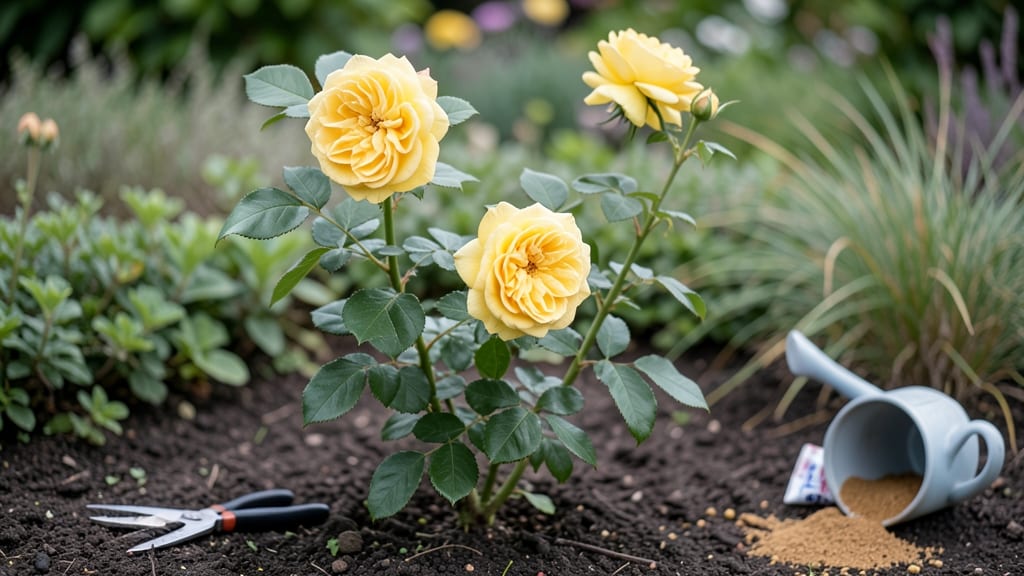
The Golden Celebration rose from David Austin isn’t just another climber—it’s a fragrant, golden-hued stunner that thrives in containers with surprisingly little fuss. 🌿 I fell for its buttery petals and old-world charm the moment I saw it, and now it’s my go-to for effortless vertical beauty.
Unlike high-maintenance roses, this one rewards patience with repeat blooms from early summer through fall, even in pots. Planting is where the magic starts: well-draining soil mixed with compost, 6 hours of sunlight daily, and a sturdy container at least 15 gallons deep.
Space branches 12-18 inches apart when training it on a trellis—this rose loves to sprawl but stays manageable. The real secret? Less pruning than you’d expect.
David Austin’s English roses are bred to bloom prolifically with minimal intervention, so focus on removing dead wood in late winter and thinning crowded stems in spring. What sets this rose apart is its rich, spicy fragrance (think myrrh and citrus) and disease resistance—a rarity in climbers.
Water deeply once a week (twice in heatwaves) and feed with rose-specific fertilizer every 6-8 weeks starting in spring. The biggest challenge? Powdery mildew in humid summers, but a baking soda spray (1 tsp per quart of water) keeps it at bay. Black spot?
Prune infected leaves immediately and improve airflow. For container growers, this rose is a game-changer: it tolerates drought better than most roses and even blooms more reliably in pots than in the ground.
The key is regular deadheading to encourage new flowers and winter mulching (pile soil up around the base) to protect roots in cold snaps. With these simple steps, you’ll have a fragrant, sun-drenched climber that turns heads—and requires less work than you’d imagine.
📚 In This Guide
- What you need
- Instructions
- Tips and common mistakes
- Wrapping up and next steps
What you need
- ● Rose Bush: 1 bareroot or potted "Golden Celebration" rose (David Austin variety). Look for healthy canes and vibrant buds!
- ● Container: At least 15-gallon (or larger) with drainage holes (e.g., ceramic, fiberglass, or high-quality plastic). Pro tip: 💡 Add a 2-inch layer of gravel or broken pottery at the bottom to improve drainage!
- ● Well-draining potting mix: 60% high-quality compost (e.g., coconut coir or peat-based), 30% perlite or pumice, and 10% grit/sand for aeration.
- ● Organic fertilizer: Balanced rose fertilizer (e.g., 10-10-10 or 5-10-5) or composted manure (like alfalfa or worm castings). Pro tip: 🌡️ Start with ½ the recommended dose to avoid burning roots!
- ● Support structure: Trellis, obelisk, or sturdy stakes (at least 6-8 feet tall for climbing). Use soft ties (e.g., Velcro or rubber bands) to secure canes gently.
- ● Mulch: 2-3 inches of organic mulch (e.g., bark chips or straw) to retain moisture and regulate soil temp.
- ● Watering can or hose with gentle spray: Roses hate soggy roots—aim for 1-1.5 inches of water per week (more in extreme heat).
- ● Garden trowel or spade (for planting)
- ● Pruning shears (sterilized with rubbing alcohol)
- ● Gloves (to protect from thorns and soil-borne diseases)
- ○ pH testing kit (optional but helpful—"Golden Celebration" thrives in 6.0-6.5 pH)
- ● Fungicide spray (e.g., neem oil or copper-based, for prevention)
- ● Sunhat & sunscreen (because even roses need a happy gardener! ☀️)
- ● Sunlight: 6+ hours of direct sun daily (partial shade in hot climates is okay).
- ● Location: Sheltered from strong winds (containers can dry out faster!).
- ● Patience: Roses take 1-2 years to fully bloom and establish. Rewarding, but not instant!
- ● Knowledge: Familiarize yourself with David Austin’s unique care tips—this rose loves regular (but not excessive) pruning and deadheading for continuous blooms.
Step-by-Step guide to growing the Golden Celebration climbing rose
This David Austin beauty needs just a few key moves to flourish in containers—here's how to set it up for years of fragrant blooms.
🪴 Step 1: Select the Right Container and Soil Mix
The Golden Celebration thrives in well-draining containers at least 18-24 inches deep—deeper roots mean more stability and fewer watering sessions. I opt for unglazed terra cotta because it breathes and prevents root rot, though heavy plastic works too if you drill extra drainage holes. A 5-gallon container accommodates one plant beautifully, giving roots room to establish without crowding.
Fill the bottom third with gravel or coarse perlite—this creates a drainage layer that prevents soggy roots. The top two-thirds should be 50% premium potting mix and 50% compost (I use Black Gold Natural & Organic for its airy texture). Mix in a handful of slow-release rose fertilizer at planting time to feed those hungry roots for months. The soil should crumble easily when dry but hold moisture when squeezed—like a damp sponge.
☀️ Step 2: Plant at the Correct Depth and Stake for Support
Dig a hole twice as wide as the root ball but only as deep as the container's original soil line—planting too deep suffocates the graft union (critical for container-grown roses). Gently tease out any circling roots with your fingers to encourage outward growth. Place the rose so the graft union sits 1-2 inches above soil level—this prevents it from being buried as the plant matures.
Insert a 5-foot bamboo stake or metal rose trellis alongside the plant before backfilling. Secure the main stem with soft plant ties (I use jute twine) in a loose figure-eight pattern—too tight now will strangle the stem as it grows. Water deeply after planting to settle the soil and eliminate air pockets around roots. You'll know it's right when water drains freely from the bottom holes within 10-15 minutes.
💧 Step 3: Establish a Watering and Fertilizing Routine
Container roses like Golden Celebration dry out faster than in-ground plants—check soil moisture every 2-3 days by sticking your finger 1 inch deep. Water until half a gallon runs out the drainage holes, then wait until the top inch feels dry before watering again. Overhead watering encourages disease, so I use a soaker hose or water at the base early in the morning. The plant will tell you it's thirsty when the leaves curl slightly at the edges—don't wait until they wilt.
Feed every 4-6 weeks during the growing season (spring through fall) with a balanced liquid fertilizer (10-10-10). I mix 1 tablespoon per gallon of water and apply it to moist soil—never dry—to prevent root burn. In late summer, switch to a low-nitrogen, high-phosphorus formula to encourage fall blooms. Stop fertilizing by mid-September to let the plant harden off for winter.
✂️ Step 4: Prune for Health and Abundant Blooms
Prune Golden Celebration twice a year: late winter (just before new growth starts) and after each flush of blooms. In late winter, remove dead, crossing, or inward-growing canes first—these compete for energy. Then cut back 1/3 of the oldest canes to the ground and shorten remaining canes by half. Look for 5-leaf clusters (buds form at leaf nodes), and prune just above the topmost leaf to encourage strong new growth.
After blooms fade, deadhead spent flowers by cutting back to the first 5-leaf cluster below. This redirects energy to new blooms instead of seed production. Avoid heavy summer pruning—it stresses the plant when it's already working hard to produce flowers. Wear gloves (roses have thorns!) and sterilize pruners with rubbing alcohol between cuts to prevent disease spread. You'll see new shoots emerging from the base within 2-3 weeks—this is your sign the pruning worked.
🌿 Step 5: Overwinter for Next Year's Blooms
When temperatures drop below 40°F at night, move your container to a protected location like a garage or under an eave. Wrap the entire container (including roots) in burlap or frost cloth, then cover the top with 6 inches of straw or leaves. This mimics the plant's natural winter dormancy. Check monthly for ice buildup—if you see frost, add more insulation. In early spring, uncover the plant when daytime temperatures consistently stay above 50°F and resume watering when buds swell.
Here's the thing—Golden Celebration rewards patience. The first year focuses on root establishment, so expect fewer blooms. By year two, you'll be rewarded with clusters of golden-yellow blooms that perfume the air. The key is consistency: regular watering, seasonal pruning, and winter protection. Skip these, and you'll end up with a leggy, disease-prone plant. Do them right, and you'll have a fragrant, repeat-blooming climber that outperforms most roses in containers.
Tips & tricks for perfect Golden Celebration climbing roses
Here's what nobody tells you about making this David Austin rose thrive in containers.
Container Selection: Unglazed terra cotta is ideal, but if you choose plastic, drill extra drainage holes—this prevents root rot and mimics natural soil conditions. I've seen containers with only two holes struggle when watering heavily, so add at least four holes spaced evenly around the base. The 18-24 inch depth requirement isn't just about roots—it also gives you room to add that crucial gravel layer without compromising soil volume for the plant's growth.
Soil Mix Strategy: The 50/50 potting mix to compost ratio might seem simple, but here's the secret: pre-moisten both components before mixing. This eliminates air pockets that would otherwise trap water against the roots during the critical 10-15 minute drainage test. I also recommend adding a handful of perlite to the top layer—this creates additional air pockets that prevent compaction as the soil settles over time.
Watering Wisdom: That "half gallon" measurement during watering is non-negotiable, but timing matters just as much. Water in the morning so the foliage has all day to dry, preventing fungal diseases. I've noticed the leaves curl slightly at the edges by mid-afternoon on hot days—this is your plant's way of saying "water me now!" before wilting becomes an issue. The key is consistency: every 2-3 days regardless of weather, not just when you notice wilting.
Pruning Precision: When you're cutting back to the 5-leaf clusters in Step 4, make your cuts at a 45-degree angle just above the outward-facing bud. This creates more surface area for water absorption and directs new growth outward rather than inward. I've seen gardeners accidentally cut below the bud—this leads to leggy growth that never produces flowers. Also, sterilize your pruners between cuts with rubbing alcohol; I've had to replace pruners after they spread bacterial canker between cuts.
Pro Tips for Golden Celebration Rose David Austin
- Here's what nobody tells you about making this David Austin rose thrive in containers.
- Container Selection: Unglazed terra cotta is ideal, but if you choose plastic, drill extra drainage holes—this preven...
- Soil Mix Strategy: The 50/50 potting mix to compost ratio might seem simple, but here's the secret: pre-moisten both ...
Frequently asked questions
Got questions about the Golden Celebration rose? You’re not alone!
Here are some of the most common queries—and their answers—to help you grow this stunning David Austin climber with confidence.
When is the best time to plant Golden Celebration roses?
The ideal window is early spring or early fall when temperatures are mild (50–60°F). Planting in spring allows roots to establish before summer heat, while fall gives them time to settle before winter dormancy. Avoid extreme heat or frost—both can stress young roses.
How much sunlight does this rose need in containers?
Golden Celebration thrives with 6–8 hours of direct sunlight daily. In containers, place it where it gets morning sun and afternoon shade if you’re in a hot climate. Too little light? Expect fewer blooms and leggy growth. A south- or west-facing spot is perfect for most U.S. zones (5–9).
Can I grow Golden Celebration in a small pot, or does it need a large container?
This rose is container-friendly, but size matters! Aim for a 15–20 gallon pot with drainage holes. Smaller pots (under 10 gallons) may limit root growth and bloom production. Use a well-draining potting mix with compost to keep it happy in tight spaces.
Why aren’t my Golden Celebration roses blooming as much as expected?
Common culprits include:
- Insufficient sunlight (move to a sunnier spot).
- Overcrowded roots (repot if needed).
- Lack of pruning (trim dead/weak stems in early spring).
- Nutrient deficiency (feed with rose-specific fertilizer in spring/summer).
What’s the easiest way to overwinter Golden Celebration in containers?
In colder zones (below 5), move pots to a protected spot (like a garage or against a wall) before frost. Wrap the container in bubble wrap or frost cloth and reduce watering. In mild winters (zones 7–9), mulch the base with straw or leaves. Avoid soggy soil—it invites rot!
Are there any fragrant alternatives to Golden Celebration for containers?
Try these low-maintenance, fragrant climbers:
- Iceberg (classic, repeat-blooming, cold-hardy).
- New Dawn (vintage charm, disease-resistant).
- Blaze (bright yellow, thrives in heat).
- Zephirine Drouhin (climbing, raspberry-scented).
Wrapping up and next steps
The Golden Celebration Rose by David Austin is more than just a fragrant climber—it’s a low-maintenance superstar that brings joy with minimal effort! 🌹 Whether you’re a seasoned gardener or just starting out, this rose thrives in containers, rewards you with intoxicating blooms, and fits effortlessly into any space.
With its golden-hued flowers and classic David Austin charm, it’s the perfect way to elevate your garden—or patio—without the fuss.
Ready to transform your space? Start small: plant one in a container today and watch it flourish! For even more inspiration, explore David Austin’s rose guides or join gardening communities to share your progress. Your golden celebration is just a click (or a shovel) away! 🌿