
Shrubs
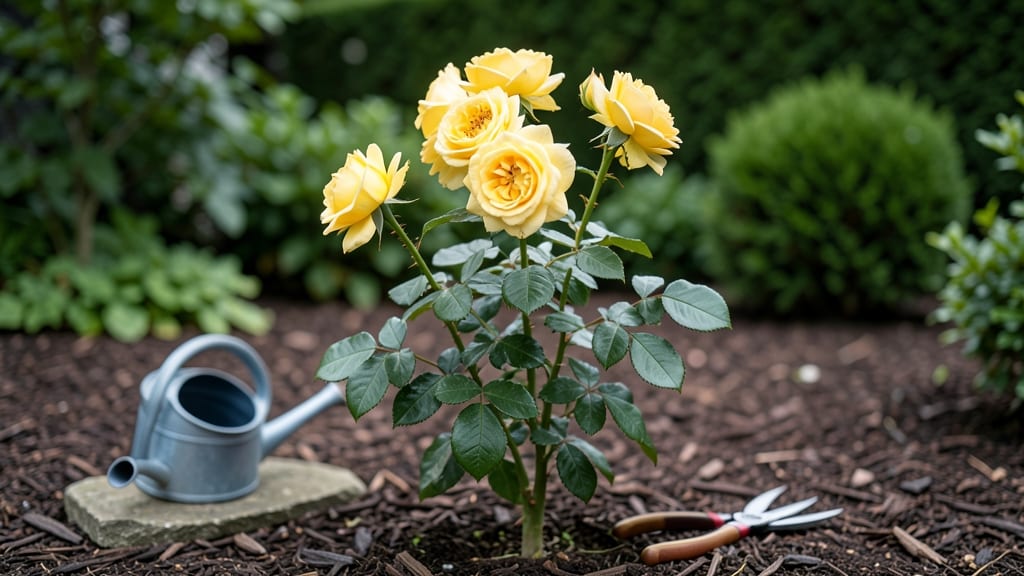
The golden opportunity rose brings sunshine to containers with its cheerful yellow blooms and sweet fragrance—no fancy garden required. 🌻 I’ve grown these in pots for years, and they’ve never failed to deliver vibrant color and minimal fuss.
Their disease resistance means fewer headaches, and their compact size makes them perfect for patios, balconies, or small yards. This variety thrives in 5-gallon containers with well-draining soil, and it loves 6+ hours of sun daily.
Water when the top inch of soil feels dry, and prune lightly after blooms fade to encourage more flowers. The golden hue stands out against green foliage, creating a striking contrast that brightens any space.
You’ll enjoy continuous blooms from spring to frost with just basic care—no deadheading or heavy feeding needed. The scent is light but pleasant, adding a fresh touch to your outdoor area. Even in hot summers, these roses stay resilient, making them one of the easiest container shrubs to grow.
Best of all, they’re drought-tolerant once established, so watering becomes a breeze. Whether you’re a beginner or a seasoned gardener, this rose delivers beauty with almost no effort. Let’s get yours planted!
📚 In This Guide
- What you need
- Instructions
- Tips and common mistakes
- Wrapping up and next steps
What you need
- ● Golden Opportunity Rose Plant: 1 healthy, potted specimen (bare-root or container-grown). Look for vibrant yellow blooms and sturdy stems!
- ● Container: A well-draining pot (12–18 inches in diameter) with drainage holes. Terracotta or ceramic works best.
- ● Potting Soil: 3–5 gallons of high-quality rose-specific or well-draining garden soil mix (avoid heavy clay).
- ● Perlite or Sand: 1–2 cups to improve drainage and aeration.
- ● Fertilizer: Balanced rose fertilizer (10-10-10 or 20-20-20) for planting.
- ● Slow-release granular fertilizer (e.g., Osmocote) for ongoing nutrition.
- ● Pruning Shears: Sharp, clean shears (sterilized with rubbing alcohol) for shaping and maintenance.
- ● Watering Can or Hose: With a gentle spray nozzle to avoid damaging blooms.
- ● Mulch: 2–3 inches of organic mulch (e.g., bark or straw) to retain moisture and suppress weeds.
- ● Epsom Salt: 1 tablespoon dissolved in water monthly for magnesium boosts.
- ● Rose Food Spikes: For hassle-free, slow-release nutrients.
- ● Support Stake or Cage: 4–6 feet tall to train climbing varieties.
- ● Pest Control: Neem oil or insecticidal soap (for aphids or spider mites).
- ● Gloves: To protect hands during pruning or handling thorns.
How to grow golden Opportunity roses in containers
This fragrant beauty thrives in pots with just a few simple steps—here's my foolproof method.
🪴 Step 1: Choose the Right Container and Soil
Golden Opportunity roses need a container at least 18-24 inches deep with drainage holes. I use terracotta pots because they breathe and prevent root rot—plastic traps too much moisture. The 5-gallon size works perfectly for one plant, giving roots plenty of room to spread.
Fill the bottom third with gravel or broken pottery pieces for drainage. Then add a mix of 60% potting soil, 30% perlite, and 10% compost. This blend drains well but holds enough moisture for roses. I always pre-moisten the mix before planting—dry soil can shock the roots when you first put the plant in.
🌱 Step 2: Plant at the Correct Depth and Stake
Remove the rose from its nursery pot and loosen the roots if they're circling. Dig a hole twice as wide as the root ball but only as deep as the top of the root flare—planting too deep suffocates the stem. Golden Opportunity roses have a natural growth habit, but I still add a 5-foot bamboo stake tied with soft garden twine to support blooms.
Backfill with soil, pressing gently to remove air pockets. Water deeply right after planting until it drains from the bottom. The soil should feel damp 6 inches down—this ensures roots establish quickly. I like to add a slow-release rose fertilizer mixed into the top inch of soil for that first flush of growth.
☀️ Step 3: Position for Maximum Sun and Airflow
Golden Opportunity roses need 6-8 hours of direct sun daily. A south-facing spot is ideal, but east or west works too. I've had success on patios with afternoon shade in hot climates—just watch for fewer blooms if light drops below 6 hours. Rotate the pot a quarter turn every few weeks so the plant grows evenly toward the light.
Space containers 18 inches apart for good airflow—crowding invites fungal diseases. If you're on a small balcony, elevate pots on feet to improve circulation underneath. I notice the most vigorous growth when the plant gets morning sun and afternoon breeze, so position accordingly.
💧 Step 4: Water and Feed for Continuous Blooms
Water when the top 2 inches of soil feel dry. I check by sticking my finger in—if it comes out clean, it's time to water. Golden Opportunity roses hate soggy roots, so always water at the base and avoid wetting the leaves. In summer, I water every 2-3 days; in winter, once a week is plenty unless it's extremely dry.
Feed with a balanced rose fertilizer every 4-6 weeks during growing season. I switch to a high-phosphorus formula when buds form to encourage blooming. Deadhead spent flowers regularly—this redirects energy to new blooms. I also mulch with 2 inches of bark chips to retain moisture and keep roots cool.
✂️ Step 5: Prune for Health and More Flowers
Prune in early spring before new growth starts. Cut back one-third of the oldest stems to the nearest outward-facing bud. This opens the center for airflow and encourages bushier growth. I also remove any dead, diseased, or crossing branches—Golden Opportunity roses respond beautifully to pruning.
Lightly trim after each major bloom cycle to maintain shape. Never cut into old wood (the dark, woody stems)—you'll sacrifice next year's flowers. I prune with clean, sharp shears and dip them in rubbing alcohol between cuts to prevent spreading disease. The result? A compact, fragrant bush that blooms nonstop with minimal effort.
Tips & tricks for perfect golden Opportunity rose care
Here's what nobody tells you about keeping these fragrant beauties thriving in containers.
Container Material Matters: Terracotta pots are my top recommendation because they allow airflow and prevent root rot, but if you prefer plastic, make sure it has extra drainage holes—plastic traps moisture and can lead to fungal issues. I've also seen great results with fiberglass containers that mimic terracotta's benefits without the weight. The key is ensuring your container breathes while maintaining proper drainage at the bottom.
Soil Mix Secrets: That 60-30-10 soil blend isn't just arbitrary—it's designed to balance drainage and moisture retention. The perlite creates air pockets for roots, while compost provides essential nutrients. Pro tip: Add a handful of worm castings to your mix for extra microbial activity that boosts plant health. I always pre-moisten the soil before planting to prevent transplant shock from dry soil.
Sunlight Strategy: Those 6-8 hours of direct sun are non-negotiable, but here's the trick: position your pot where it gets morning sun (which is less intense) and afternoon shade in hot climates. I've noticed my roses produce the most blooms when they get that morning light followed by a cooling breeze in the afternoon. A simple way to test your spot is to place the pot where you plan to keep it for a full day—if any part stays in shade for more than 2 hours, move it closer to the light.
Watering Wisdom: The finger test for the top 2 inches of soil is foolproof, but I've learned to adjust my schedule based on season and container type. Terracotta pots dry out faster than plastic, so you might need to water every 2 days in summer with terracotta, while plastic might stretch to 3 days. Always water at the base and avoid wetting leaves to prevent fungal diseases like black spot—this simple habit has saved me from losing blooms multiple times.
Pro Tips for Golden Opportunity Rose
- Here's what nobody tells you about keeping these fragrant beauties thriving in containers.
- I've also seen great results with fiberglass containers that mimic terracotta's benefits without the weight.
- Soil Mix Secrets: That 60-30-10 soil blend isn't just arbitrary—it's designed to balance drainage and moisture retention.
Frequently asked questions
Why is the Golden Opportunity Rose called a "golden opportunity"?
The name reflects its low-maintenance nature and stunning golden foliage that thrives in containers. Unlike traditional roses, it tolerates poor soil, drought, and neglect—making it perfect for busy gardeners or urban spaces. Plus, its fragrant blooms add a luxurious touch with minimal effort!
How often should I water my Golden Opportunity Rose in a container?
Water when the top 1–2 inches of soil feel dry (about once a week in summer, less in winter). Containers dry out faster, so check soil moisture regularly. Overwatering is worse than underwatering—ensure pots have drainage holes to prevent root rot. Pro tip: Mulch the soil surface to retain moisture!
Can I grow Golden Opportunity Rose in small pots, or does it need a large container?
Start with a 5–7 gallon pot (18–24 inches wide) for healthy growth. Smaller pots (under 3 gallons) may restrict root development and limit blooms. As it grows, upgrade to a larger container every 2–3 years or prune roots if repotting isn’t an option.
What pests should I watch for, and how do I treat them?
Common pests include aphids, spider mites, and rose slugs. Neem oil or insecticidal soap works for mild infestations. For severe cases, prune affected leaves and spray with horticultural oil. Pro tip: Encourage ladybugs—they’re natural pest predators!
How do I protect my Golden Opportunity Rose from winter cold?
In zones below 7b, move pots to a sheltered, unheated garage or wrap the container in bubble wrap. Avoid freezing temps (<32°F). If outdoors, mulch heavily and use a cloche or frost blanket for extra protection. Resume normal care in spring when nights stay above 40°F.
Wrapping up and next steps
The Golden Opportunity Rose isn’t just a stunning addition to your garden—it’s a low-maintenance superstar that rewards you with vibrant blooms and lush foliage with minimal effort. Whether you’re a seasoned gardener or just starting out, this fragrant beauty proves that easy care doesn’t mean sacrificing beauty. 🌸
Now that you’re armed with the right tips, take the next step—plant your Golden Opportunity Rose today and watch your space transform! Start small, experiment with containers, and enjoy the journey of nurturing this resilient shrub. Your garden (and your senses!) will thank you.