
Planting
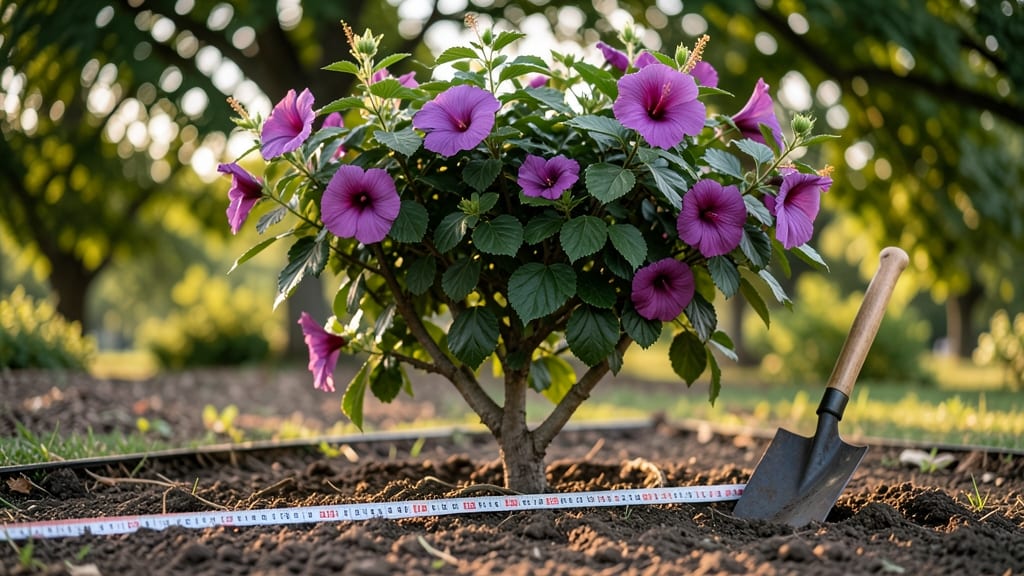
Rose of Sharon roots plunge 3-5 feet deep—far deeper than most gardeners expect. 🌿 I learned this the hard way when I nearly lost a plant during transplanting, only to realize I’d cut roots I couldn’t see.
These roots spread aggressively but stay concentrated in the top 18 inches for most of their life-sustaining work, which changes how you prune and mulch.
The real secret isn’t just depth—it’s how fast they grow. In ideal conditions, roots can extend 12-18 inches per year, searching for moisture and nutrients. Sandy soil speeds this up, while clay slows it down.
That’s why mulching isn’t just decorative: a 3-inch layer keeps roots cool and conserves water, especially in hot summers when they’re working overtime.
When you prune, focus on the top third of the plant—those roots are already doing the heavy lifting. And if you’re transplanting, dig a hole twice as wide as the root ball but only 12-18 inches deep—any deeper, and you risk suffocating the roots.
The payoff? Plants that rebound faster after pruning and bloom like crazy for years.
This works for both young shrubs and mature ones—just adjust your approach based on soil type. In heavy clay? Amend the planting hole with compost. In sandy soil? Water deeply after planting to encourage root spread. The deeper they go, the stronger your plant grows.
Root Growth Influences Depth
Understanding why Hibiscus syriacus (commonly known as Rose of Sharon) roots grow to varying depths helps gardeners create ideal conditions for their plants. Several key factors determine how deep these roots extend, and each plays a crucial role in the plant’s health and resilience.
Let’s break down the science behind it.
The depth of Rose of Sharon roots is largely influenced by the plant’s natural growth habits. This species is a deep-rooted shrub, meaning it evolves to seek out water and nutrients in deeper soil layers—especially in regions with seasonal droughts or poor topsoil.
- Taproot tendencies: While not all Rose of Sharon plants develop a dominant taproot, many produce a primary root that grows vertically downward to anchor the plant and access moisture. This root can extend 3 to 5 feet deep under optimal conditions, though lateral roots (spreading horizontally) often dominate in well-drained soils.
- Lateral root dominance: In compacted or nutrient-rich topsoil, the plant may prioritize spreading its roots 1 to 3 feet wide rather than diving deep. This is why gardeners in urban areas often see shallower root systems.
- Age matters: Younger plants focus on establishing a strong root network, while mature Rose of Sharon shrubs (5+ years old) may develop deeper roots to support their height (often 6–10 feet tall).
Actionable tip: If you’re planting in heavy clay or rocky soil, avoid disturbing the root ball during transplanting—this can stunt the plant’s ability to develop its natural deep-rooted structure. 🌱
Water is the single biggest driver of root depth in Rose of Sharon. These plants are drought-tolerant once established, but their root systems adapt dynamically to moisture levels in the soil.
- Dry conditions: In arid climates or during drought, Rose of Sharon roots will grow deeper (4–6 feet) to reach groundwater. This is a survival mechanism—deep roots tap into moisture reserves that surface roots can’t access.
- Wet or flooded soils: Excess moisture forces roots to stay shallow (1–2 feet) because oxygen becomes scarce in waterlogged soil. Roots in these conditions may also rot if drainage is poor.
- Seasonal fluctuations: In regions with distinct wet/dry seasons, roots may shift depth—growing deeper in summer and shallower after heavy rains.
Pro tip: To encourage deeper roots, water deeply but infrequently (e.g., 1–2 inches per week) rather than shallow daily watering. This mimics natural drought conditions and prompts the plant to seek moisture below the surface. 💦
Rose of Sharon roots are sensitive to soil resistance. Compacted or rocky soil can restrict root growth, forcing the plant to adapt by growing wider or shallower rather than deeper.
| Soil Type | Root Depth Impact | Why It Happens |
|---|---|---|
| Clay soil | Shallow (1–2 feet) | High compaction limits root penetration; water drains slowly, creating anaerobic zones. |
| Sandy soil | Deep (3–5+ feet) | Loose particles allow roots to grow downward easily; good drainage encourages depth. |
| Loamy soil | Moderate (2–4 feet) | Balanced texture provides both drainage and nutrients, supporting natural root expansion. |
| Rocky or urban soil | Shallow and wide | Physical barriers force roots to grow around obstacles, often staying near the surface. |
Solution: If your soil is compacted, amend it with compost or organic matter before planting to improve aeration. For rocky soils, consider raising beds or planting in containers with well-draining mix. ⛏️
Rose of Sharon roots will prioritize nutrient-rich zones, which can directly influence their depth. If the topsoil is fertile, the plant may not bother growing deep—unless it’s searching for specific nutrients like phosphorus or potassium.
- Fertile topsoil: Roots may stay shallow (1–3 feet) because the plant finds enough nutrients near the surface.
- Nutrient-poor soil: Roots will extend deeper (3–6 feet) to access minerals like nitrogen or trace elements.
- Micronutrient deficiencies: If soil lacks iron, manganese, or zinc, roots may grow erratically—sometimes deeper in search of these elements.
Actionable tip: Conduct a soil test before planting. If nutrients are lacking, add a balanced fertilizer (e.g., 10-10-10) or compost to encourage healthy root development without forcing excessive depth. 🧪
By recognizing these natural and environmental factors, you can optimize planting conditions to help your Rose of Sharon develop the ideal root structure—whether that means deeper roots for drought resistance or a balanced system for urban gardens. 🌿
Fixing Root Depth Issues Naturally
Now that you understand why Rose of Sharon roots may not reach their full depth, let’s tackle the solutions—practical, plant-friendly fixes to encourage healthier growth.
Whether your plant struggles with shallow roots, poor soil, or overcrowding, these steps will help you nurture a thriving Rose of Sharon with roots that run deep and strong.
If your soil is compacted, lacks nutrients, or drains poorly, your plant’s roots will stay shallow. Here’s how to fix it:
- 🔥 Loosen the Soil Gently Use a garden fork or tiller to aerate the soil around the plant, but avoid disturbing the roots too much. Aim for 6–12 inches deep—this mimics natural soil conditions and encourages roots to grow downward.
- 🍳 Add Organic Matter Mix in compost, well-rotted manure, or leaf mold (2–3 inches deep) to improve drainage and nutrient availability. This helps roots penetrate deeper without struggling.
- 👨🍳 Choose the Right Soil Mix If your native soil is heavy clay or sandy, amend it with pearlite, perlite, or coarse sand (20–30%) to balance texture. A loamy, slightly acidic soil (pH 6.0–7.0) is ideal.
✨ Pro Tip: Test your soil’s pH and drainage before planting. A simple soil test kit (available at garden centers) can save you time and effort!
Overwatering or inconsistent moisture can stunt root growth. Follow these steps for the perfect balance:
- 🌡️ Water Deeply but Infrequently Instead of light, frequent watering, give your Rose of Sharon a deep soak (1–2 inches per week). This encourages roots to grow downward in search of moisture.
- 🎯 Avoid soggy soil Ensure your plant has proper drainage—never let it sit in waterlogged conditions. If your garden retains too much moisture, consider raising the plant in a mound or adding gravel to the bottom of the hole before planting.
- 🔥 Mulch to Retain Moisture Apply a 2–3 inch layer of mulch (wood chips, straw, or pine bark) around the base (but keep it 3–4 inches away from the trunk). This helps regulate soil temperature and moisture, reducing stress on roots.
Overgrown or improperly pruned shrubs can compete for resources, leading to shallow roots. Here’s how to correct it:
- 🔪 Prune in Late Winter or Early Spring Trim back 1/3 of the oldest wood to encourage new growth. This stimulates root expansion and improves airflow, reducing disease risk.
- 🍎 Remove Crowded Branches If your Rose of Sharon is too dense, thin out interior branches to allow sunlight to reach the center. Healthy foliage = stronger roots!
- 🌱 Avoid Heavy Pruning in Fall Pruning too late in the season can stress the plant before winter, weakening root development. Stick to light shaping if needed.
If other plants or weeds are stealing nutrients, your Rose of Sharon’s roots will stay weak. Here’s how to fix it:
- 🌿 Remove Weeds and Competing Plants Weeds compete for water and nutrients, so keep the area around your shrub weed-free within a 3–4 foot radius.
- 🌳 Space New Plants Properly If adding more shrubs, plant them at least 6–10 feet apart (depending on the variety). This gives roots room to expand without battling neighbors.
- 💡 Fertilize Strategically Use a balanced, slow-release fertilizer (10-10-10 or 20-20-20) in early spring to support root growth. Avoid high-nitrogen fertilizers, which promote leafy growth at the expense of roots.
Shady or cramped spots can lead to weak, shallow roots. Adjust these factors for better growth:
- 🌞 Provide Full Sun (6+ Hours Daily) Rose of Sharon thrives in full sun—plant it in a location where it gets at least 6 hours of direct sunlight. If your yard is shady, choose a sunniest spot possible.
- 🌬️ Improve Air Circulation If your plant is in a tight space, trim nearby structures (fences, walls) or space it farther from obstacles to allow airflow. This reduces humidity-related diseases and encourages robust root systems.
If your Rose of Sharon has been struggling for years in poor soil, transplanting may be the best solution:
- ⏰ Best Time to Move: Early Spring or Fall Dig a new hole twice as wide and deep as the root ball. Loosen the roots gently before placing the plant in fresh soil.
- 🌱 Use Root Stimulator (Optional) Dip roots in a rooting hormone or mix mycorrhizal fungi into the soil to help establish new roots faster.
- 💧 Water Thoroughly After Transplanting Keep the soil consistently moist (not soggy) for the first 4–6 weeks to reduce transplant shock.
💡 Final Prevention Checklist: ✅ Test soil before planting (drainage + pH). ✅ Amend heavy or poor soil with organic matter. ✅ Water deeply but less often to encourage deep roots. ✅ Prune correctly to avoid overcrowding. ✅ Keep weeds at bay to reduce competition. ✅ Plant in full sun for optimal growth.
With these fixes, your Rose of Sharon will develop strong, deep roots—leading to a blooming, healthy shrub that stands the test of time! 🌸🌿
Frequently asked questions
How do I know if my Rose of Sharon has shallow roots?
Watch for these signs: wilting during dry spells (even with regular watering), stunted growth, or leaves yellowing at the edges. Shallow roots struggle to access deep moisture, so plants with them often show stress during heatwaves. Dig carefully around the base—if most roots are within 6-12 inches of the surface, they're likely shallow.
Can I plant Rose of Sharon in containers?
Yes, but choose large containers (at least 18-inch diameter) with drainage holes. The roots will stay shallower than in ground planting (typically 1-2 feet deep), so water more frequently and use a well-draining potting mix. Containers work well for urban gardens but may require annual repotting as roots outgrow the space.
Will mulching help Rose of Sharon roots grow deeper?
A 3-inch layer of organic mulch (wood chips or straw) keeps soil cool and conserves moisture, encouraging roots to grow 12-18 inches deeper than they would without mulch. Just keep mulch 3-4 inches away from the trunk to prevent rot. This works especially well in hot climates where roots need protection.
How do I transplant a mature Rose of Sharon without damaging roots?
Dig a hole twice as wide as the root ball but only 12-18 inches deep—deeper holes can suffocate roots. Gently loosen roots with your hands before placing the plant in fresh soil. Water thoroughly after transplanting and keep soil moist (not soggy) for 4-6 weeks to reduce shock.
Why do some Rose of Sharon plants have deeper roots than others?
Root depth varies based on soil type, water availability, and plant age. In sandy soil, roots may reach 4-6 feet to access moisture, while clay soil often limits depth to 1-2 feet. Mature plants (5+ years old) develop deeper roots than young ones, and consistent deep watering encourages downward growth.