
Shrubs
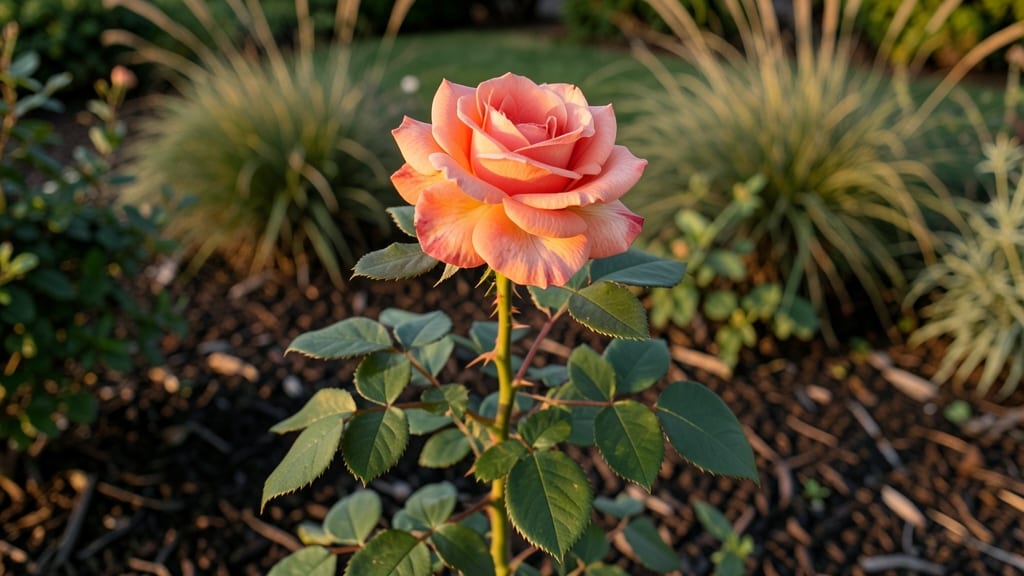
Growing a Tropical Sunset Rose in containers is like having a fragrant, sun-drenched vacation in your yard. 🌸 These roses burst with deep coral-pink blooms that fade to golden yellow at the edges, creating a sunset effect that lasts all season long.
Unlike traditional roses, they thrive in pots, making them perfect for small spaces, balconies, or even patios where in-ground planting isn’t an option.
The secret to their success lies in well-draining soil, bright light, and consistent moisture—but not soggy roots. I’ve grown mine in 15-gallon containers filled with a mix of potting soil and perlite, and they’ve rewarded me with nonstop blooms from spring until frost.
The key is choosing a container with drainage holes and keeping the soil slightly moist, especially during hot afternoons when the roots need to breathe.
With the right care, your Tropical Sunset Rose will climb, sprawl, or cascade with vibrant color and intoxicating fragrance, turning heads in your neighborhood. Pruning in early spring keeps them bushy and encourages even more blooms, while deadheading spent flowers extends the season.
The best part? These roses are disease-resistant, so you can skip the harsh chemicals and focus on enjoying their beauty.
Whether you’re a beginner or a seasoned gardener, this rose is a foolproof way to add drama and color to your space. Just give it sun, water, and a little love, and it’ll thrive in ways you never expected.
Ready to bring a tropical vibe to your garden? Let’s get growing!
📚 In This Guide
- What you need
- Instructions
- Tips and common mistakes
- Wrapping up and next steps
What you need
- ● Tropical Sunset Rose plant: 1 healthy, 1-gallon container-grown specimen (ensure it’s disease-free and has vibrant foliage).
- ● Container: A well-draining pot (12–18 inches in diameter) with drainage holes. Pro tip: Terracotta or fabric pots work best for airflow!
- ● High-quality potting mix: 2–3 cubic feet of a well-draining, organic mix (e.g., 60% peat moss, 20% perlite, and 20% compost). Avoid heavy garden soil.
- ● Slow-release fertilizer: 1–2 cups of balanced, organic fertilizer (10-10-10 or similar) mixed into the soil.
- ● Mulch: 1–2 inches of pine bark or coconut coir to retain moisture and regulate temperature.
- ● Gloves: A pair of gardening gloves to protect your hands from thorns and soil.
- ● Trowel or small shovel: For planting and amending soil.
- ● Watering can or hose with a gentle spray nozzle: To avoid disturbing the soil.
- ○ Pruning shears: Optional but handy for shaping and maintaining your rose.
- ○ Support structure: Optional—a trellis, cage, or obelisk (3–5 feet tall) to guide vertical growth.
- ○ Epsom salt: Optional—1 tablespoon mixed into water monthly for extra magnesium (boosts blooms!).
- ● A sunny spot with at least 6–8 hours of direct sunlight daily (partial shade in scorching climates).
- ● Consistent watering: Keep soil evenly moist but not soggy (especially critical in containers!).
- ● Warmth: Tropical Sunset Roses thrive in USDA Zones 9–11; in cooler areas, grow them as annuals or overwinter indoors.
Step-by-Step guide to growing a thriving tropical Sunset rose in containers
Here’s how to coax those vibrant blooms and intoxicating fragrance from a compact space—no sprawling garden required.
🪴 Step 1: Select the Right Container and Soil Mix
Choose a container at least 18 inches deep with drainage holes—these roses need room for roots to breathe. I opt for terra cotta pots because they wick away excess moisture, preventing root rot. If your container lacks drainage, drill holes yourself; a rose’s roots despise soggy conditions.
Fill the bottom third with gravel or perlite for drainage, then add a high-quality potting mix blended with 20% compost for nutrients. Tropical Sunset roses crave well-draining yet moisture-retentive soil—think of it as a balance between a sponge and a sieve. Tap the pot gently after filling to eliminate air pockets.
🌱 Step 2: Plant Your Rose and Prune for Structure
Remove the rose from its nursery pot and loosen the roots if they’re circling. Position it so the graft union (the bump near the base) sits 2 inches below soil level—this protects the plant from temperature swings. Backfill with soil, pressing lightly around the roots to eliminate gaps.
Prune immediately after planting to encourage bushier growth. Cut back one-third of the plant’s height, focusing on removing any dead or crossing branches. Make cuts at a 45-degree angle just above an outward-facing leaf node—this ensures new growth emerges in the right direction. Avoid cutting into old wood; you’ll know it’s too late when the stem feels hard and hollow.
☀️ Step 3: Position for Sunlight and Water Deeply
Tropical Sunset roses demand full sun (6-8 hours daily)—no compromises. A south-facing spot is ideal, but if you’re in a shaded patio, supplement with a grow light for 4-6 hours daily. You’ll see leggy, pale stems if light is insufficient; strong growth has deep green leaves and compact spacing between buds.
Water deeply once a week, soaking the soil until it drains from the bottom. Check moisture by sticking your finger 2 inches into the soil—if it’s dry, water again. Avoid wetting the foliage to prevent fungal diseases like black spot. Mulch with 2 inches of organic mulch (like bark chips) to retain moisture and regulate soil temperature.
✂️ Step 4: Feed, Prune, and Deadhead for Continuous Blooms
Start fertilizing 4 weeks after planting with a balanced, slow-release fertilizer (10-10-10 ratio). Apply every 6-8 weeks during the growing season, but cut back in late summer to allow the plant to harden off for winter. Over-fertilizing leads to lush foliage but few blooms—a common mistake with roses.
Deadhead spent blooms weekly by snipping the stem just above a set of healthy leaves. This redirects the plant’s energy into producing more flowers instead of seed pods. Prune again in early spring to shape the plant and remove any winter-damaged wood. You’ll know it’s time when you see fresh pink buds emerging along the stems.
⏰ Step 5: Overwinter for Next Season’s Growth
As temperatures drop below 40°F, move your container to a protected spot (like a garage or covered porch) where it won’t freeze. Reduce watering to once every 2-3 weeks, keeping the soil slightly moist but never soggy. Prune lightly in late winter to remove any dead growth, but avoid heavy pruning until spring.
In early spring, resume fertilizing and gradually reintroduce the plant to outdoor conditions over 1-2 weeks. Watch for new leaf growth as your signal to resume regular care. With consistent attention, your Tropical Sunset rose will reward you with bold, fragrant blooms year after year—even in containers.
Tips & tricks for perfect container-grown tropical Sunset roses
Here's what nobody tells you about keeping these vibrant climbers thriving in pots—critical details that make all the difference.
Container Depth Matters: That 18-inch minimum depth isn't arbitrary—it gives roots room to establish before they hit the sides. I've seen roses in shallow pots struggle with stunted growth because their roots can't develop properly. If you're working with a smaller container, consider a self-watering pot with a deeper reservoir to compensate. The key is preventing root-bound stress that leads to fewer blooms.
Soil Science: The 20% compost blend in your potting mix isn't just about nutrients—it's about creating that perfect air-to-moisture ratio. I always sift my compost to remove large chunks that could compact. For extra insurance, mix in 10% perlite or vermiculite to improve aeration. This prevents the "sponge effect" where soil stays too wet too long, which is especially critical for container roses that dry out faster.
Pruning Precision: When you make those 45-degree cuts in Step 2, aim for the outward-facing leaf node—this is where new growth emerges. I mark these nodes with a pencil before cutting to ensure accuracy. The one-third height reduction might sound drastic, but it's essential for encouraging bushier growth. Remember, you're shaping the plant's future structure, not just tidying it up.
Light Supplement Strategy: Those 4-6 hours of grow light for shaded spots are your secret weapon. I use LED grow lights on a timer set to mimic sunrise/sunset cycles. Position them just 6-12 inches above the plant—closer for winter, farther in summer. The light should be bright enough that you can't read a book underneath it. This makes all the difference in preventing that leggy, weak growth that's so common with container roses.
Pro Tips for Tropical Sunset Rose
- Here's what nobody tells you about keeping these vibrant climbers thriving in pots—critical details that make all the difference.
- Container Depth Matters: That 18-inch minimum depth isn't arbitrary—it gives roots room to establish before they hit the sides.
- Soil Science: The 20% compost blend in your potting mix isn't just about nutrients—it's about creating that perfect air-to-moisture ratio.
Frequently asked questions
Got questions about growing your own tropical sunset rose? You’re not alone!
Here are answers to the most common queries to help you cultivate this stunning climber with ease.
When is the best time to plant a tropical sunset rose in containers?
Plant your tropical sunset rose in spring or early summer after the last frost, when soil temperatures are consistently above 60°F (15°C). This gives roots time to establish before cooler weather arrives. If planting in fall, choose a mild climate zone (USDA 9-11) to avoid winter stress.
How often should I water my container-grown tropical sunset rose?
Container plants dry out faster! Water deeply 2-3 times per week during hot, dry spells, ensuring water drains freely. Check soil moisture—if the top inch feels dry, it’s time to water. In humid climates, reduce to once a week and always avoid soggy soil to prevent root rot.
Can I grow a tropical sunset rose in a small pot, or does it need a large container?
Start with a 5-gallon container minimum (18+ inches deep) to support root growth. These roses thrive in well-draining pots with saucers to catch excess water. If roots outgrow the pot, upgrade to 7-10 gallons in spring and prune slightly to reduce transplant shock.
Why aren’t my tropical sunset rose leaves turning vibrant red like in photos?
Color intensity fades with too much shade or over-fertilizing with nitrogen. Ensure 6+ hours of direct sunlight daily and use a balanced rose fertilizer (10-10-10) every 4-6 weeks. Yellowing leaves? Check for iron deficiency—add chelated iron or use acidic mulch (like pine needles).
How do I protect my tropical sunset rose from winter frost?
If temps drop below 30°F (-1°C), move containers to a sheltered porch or garage (not freezing!). Wrap pots in bubble wrap or frost cloth and reduce watering. In mild winters, mulch the soil with straw or leaves to insulate roots. Never let containers sit in standing water.
Are there fragrant alternatives to tropical sunset roses for container gardening?
Yes! Try these fragrant, container-friendly climbers:
- Clematis ‘Jackmanii’ – Sweet, sweet-smelling blooms (needs a trellis).
- Jasmine ‘Grand Duke of Tuscany’ – Intense nighttime fragrance, drought-tolerant.
- Passionflower ‘Blue Moon’ – Unique flowers with a citrusy scent.
- Honeysuckle ‘Lemon Cream’ – Edible flowers, honey-like aroma.
Wrapping up and next steps
The Tropical Sunset Rose isn’t just a stunning climber—it’s a fragrant, low-maintenance superstar that brings bold color and tropical vibes to any space, even in containers! Whether you’re a seasoned gardener or a beginner, its resilience and vibrant blooms make it a dream plant to grow.
Now that you’re armed with the right tips and tricks, go ahead and plant your own slice of paradise—your balcony, patio, or garden will thank you!
Next steps:
- 🌱 Pick your container—size matters, but style is up to you!
- 🌿 Grab your Sunset Rose and get planting this weekend.
- 📸 Share your progress—tag us in your tropical oasis pics!