
Watering
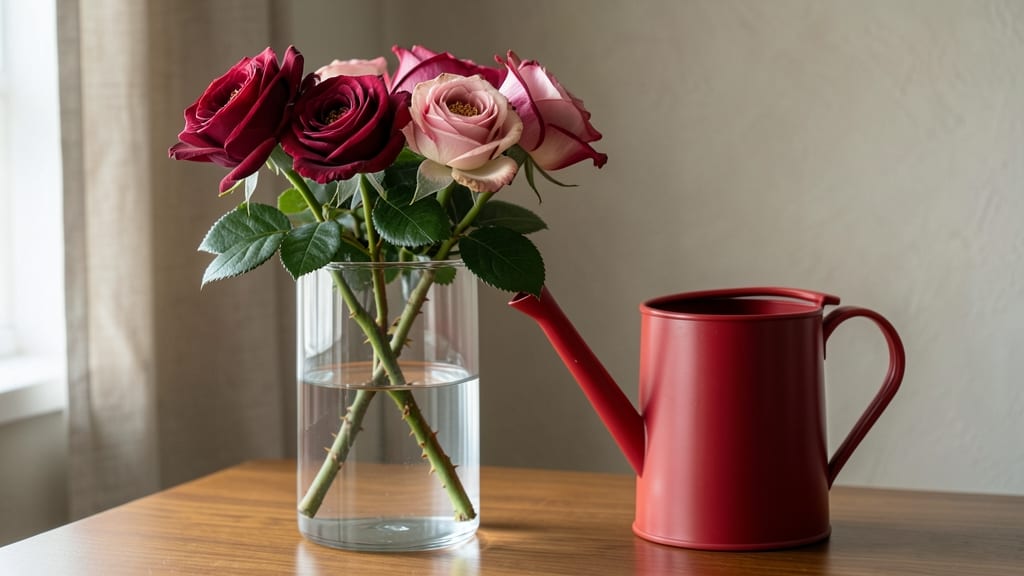
Cut roses last twice as long when you water them right—here’s the exact schedule I use to keep mine fresh for 10+ days without wilting: how much water do roses need in a vase is just the start, but timing the refresh is the real trick. 🌹 how you prep the stems, and what you do about those pesky leaves sitting in the vase.
Most people overwater or underwater their roses, both of which speed up decay. I’ve found that 2-3 inches of fresh, room-temperature water every 2-3 days—plus a quick stem trim—keeps stems hydrated without inviting bacteria. And yes, you must clean the vase between bouquets (bacteria builds up fast).
You’ll notice the petals stay crisp, the stems stay firm, and the scent lingers like it’s fresh from the garden. The key is consistency: check water levels daily, and top off before it gets low. Even a slight droop means it’s time for a refresh.
This works for any rose variety—hybrids, floribundas, even those giant dinner-plate blooms. Just avoid tap water with chlorine (let it sit out overnight first), and you’re golden. Ready to try it?
📚 In This Guide
- What you need
- Instructions
- Tips and common mistakes
- Wrapping up and next steps
What you need
- ● Freshly cut roses: 1–3 stems (or more, depending on your vase size). Choose roses with clean, straight cuts and minimal thorns.
- ● Clean vase: A glass or ceramic container with a wide enough mouth to hold your stems comfortably (at least 1–2 inches wider than the stem bundle).
- ● Fresh, room-temperature water: Enough to fill the vase 2–3 inches deep (adjust based on stem quantity). Avoid tap water with high chlorine—let it sit out for 24 hours if needed.
- ● Sharp floral shears or scissors: Never use kitchen knives—they crush stems, blocking water uptake.
- ○ Floral preservative (optional but recommended): A packet of commercial flower food (like Floralife or FLOWER-LONG) or a DIY mix (see tips below).
- ● Bucket or large bowl: For rinsing the vase and trimming stems (if not done pre-cut).
- ● Aluminum foil or a rubber band: To wrap the bottom inch of stems (helps prevent bacterial growth).
- ○ White vinegar (1 tbsp per quart of water): Optional natural cleaner for the vase to kill bacteria.
- ○ Food coloring (optional): A few drops of non-toxic dye to tint the water (fun for kids or themed arrangements!).
- ● Newspaper or paper towels: To line the workspace and absorb excess water.
Step-by-Step instructions for keeping cut roses fresh in a vase
Here’s the simple routine I use to make every bouquet last twice as long.
💧 Step 1: Trim Stems and Fill the Vase Properly
Start by cutting 1-2 inches off each stem at a 45-degree angle—this opens up the stem’s surface area for better water absorption. Use sharp scissors or pruners to avoid crushing the stem. I always do this under running water to prevent air bubbles from blocking the stem’s pores.
Fill the vase with lukewarm water (not cold or hot) until the stems are fully submerged. Cold water can shock the roses, while hot water damages the delicate cells. Add 1 tablespoon of white vinegar to the water—this lowers the pH slightly and prevents bacterial growth that causes wilting.
☀️ Step 2: Change Water and Re-Cut Stems Every 2-3 Days
Roses drink a lot of water, so check the vase daily. When the water looks cloudy or smells funky (usually after 2-3 days), it’s time for a refresh. Dump the old water, rinse the vase thoroughly, and refill with fresh lukewarm water.
Before placing the stems back in, give them another 1-inch trim under water. This removes any blocked pores from the previous soak and ensures they drink up the fresh water immediately. I also add ½ teaspoon of bleach to the new water for extra bacteria control—it’s undetectable but keeps stems crisp.
✂️ Step 3: Remove Leaves Below the Waterline and Dust Blooms
Submerged leaves rot in the water, so strip off any leaves that would sit below the waterline. Use your fingers to gently pull them off—don’t tear the stem. I also dust the blooms lightly with a soft brush or my fingers to remove any garden debris that could clog the stem openings.
For extra longevity, place the vase in a spot with indirect light—direct sunlight causes the water to heat up and evaporate too quickly. A cool, draft-free area (like a kitchen counter) is ideal. You’ll notice the roses stay perky longer if the stems stay hydrated without stress.
🌿 Step 4: Feed the Flowers for Extra Days of Beauty
Add 1 teaspoon of sugar to the vase water every 2-3 days to give the roses energy. The sugar acts like a quick boost, helping them stay vibrant. I also sprinkle a tiny pinch of flower food powder (if using) directly into the water—it’s packed with nutrients and preservatives that extend vase life by days.
Watch for signs of thirst: drooping petals or stems that feel limp when touched mean it’s time for a water change. With this routine, my roses stay fresh for at least 10-14 days—sometimes even longer if I’m extra careful with the water changes.
Tips & tricks for perfect rose vase care
These simple strategies will help you extend your roses' freshness beyond the usual vase life.
Angle Matters: When trimming stems in Step 1, make sure your cut is clean and straight—not jagged. The 45-degree angle is key because it creates a larger surface area for water absorption. I like to use sharp floral shears for this step, as they make precise cuts without crushing the stem. This alone can add an extra 2-3 days of freshness to your bouquet.
Water Temperature Secret: The lukewarm water recommendation in Step 1 isn't just about comfort—it's about science. Cold water can shock the stems while hot water damages delicate cells. I keep a small thermometer handy to check that my water stays between 70-75°F. If you don't have one, just make sure it feels warm to your wrist but not hot. This small detail makes a surprisingly big difference in how long your roses stay vibrant.
Bleach Dosage: That tiny ½ teaspoon of bleach in Step 2 might seem intimidating, but it's completely safe and undetectable in the water. The secret is to mix it thoroughly with the water before adding the stems. I stir it in with a clean spoon for about 30 seconds to make sure it's fully dissolved. This prevents bacterial growth that causes wilting, and it's the reason my roses often last 10-14 days instead of just a few.
Light Placement: The indirect light recommendation in Step 3 is crucial because direct sunlight causes water to evaporate quickly and can overheat the stems. I've found that placing the vase on a kitchen counter away from windows works best. If you must put it near a window, use sheer curtains to diffuse the light. This small adjustment helps maintain consistent hydration for your roses.
Pro Tips for How Much Water Do Roses Need In A Vase
- These simple strategies will help you extend your roses' freshness beyond the usual vase life.
- Angle Matters: When trimming stems in Step 1, make sure your cut is clean and straight—not jagged. The 45-degree angl...
- Water Temperature Secret: The lukewarm water recommendation in Step 1 isn't just about comfort—it's about science. Co...
Frequently asked questions
Got questions about keeping your roses fresh in a vase? You’re not alone! Here are some of the most common concerns—and their simple solutions—to help your blooms stay vibrant longer.
How often should I change the water in a vase with roses?
Change the water every 2–3 days to prevent bacterial growth, which clogs stems and shortens vase life. Even if it looks clean, old water can harbor hidden microbes. Pro tip: Add a splash of bleach (1 drop per cup of water) or a penny to the fresh water to keep stems healthy!
Can I leave roses in a vase for more than a week?
With proper care, roses can last 7–10 days, but it depends on the variety, freshness at purchase, and conditions. Overwatering or neglecting to trim stems can cut their lifespan short. If they start wilting after 5 days, try recutting the stems and refreshing the water—sometimes they perk right back up!
What happens if I forget to water my roses for a day or two?
Roses can survive 1–2 days without water, but their petals may droop and edges can dry out. If left longer, they’ll wilt permanently. Don’t panic! Trim the stems at an angle, soak them in fresh water for 10 minutes, and they might recover. For best results, never let the vase run dry—even a little water helps!
Are there alternatives to plain water for roses in a vase?
Yes! Mix 1 cup of water + 1 tsp sugar + 2 drops bleach or 1/4 tsp bleach-free floral preservative to extend life. Avoid soda, alcohol, or vinegar—these can harm the flowers. Commercial flower food (like FTD or Floralife) is also a great shortcut for busy gardeners!
Why are my roses wilting even with fresh water?
Wilting can mean clogged stems, thirst, or disease. Try these fixes:
Wrapping up and next steps
So there you have it—keeping your roses fresh in a vase is all about balance! 🌸 With the right amount of water (about 1-2 inches), a clean vase, and a few simple tricks, your cut blooms can stay vibrant for days or even weeks.
Don’t forget to trim stems, change the water every 2-3 days, and keep them out of direct sunlight for the best results.
Now that you’re armed with these rose-care secrets, it’s time to put them into action! Grab that bouquet, follow the steps, and enjoy the beauty—and the compliments—of your long-lasting roses. Happy arranging! 🌺✨