
Size
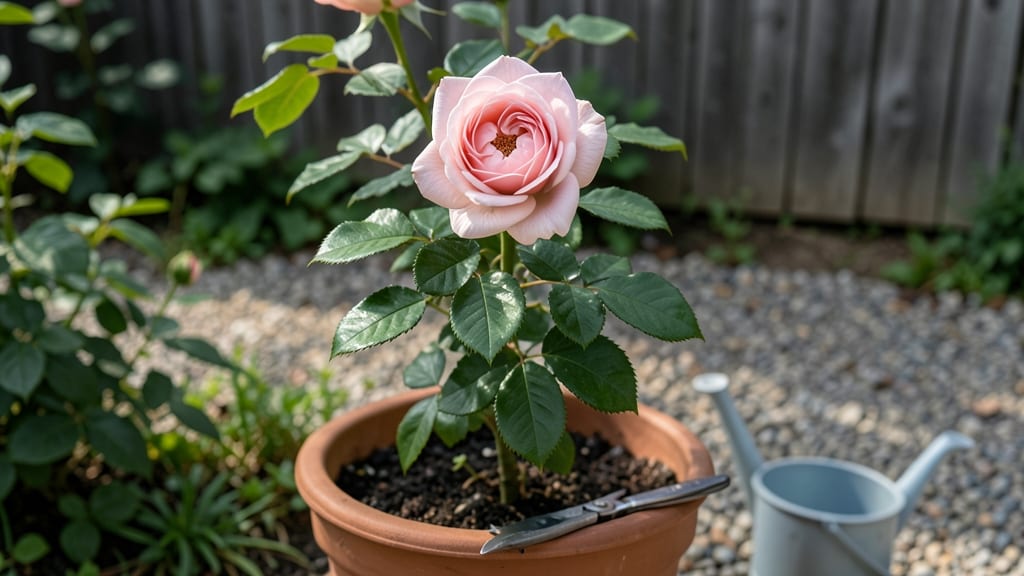
Growing a Peggy Martin rose means welcoming old-garden charm into your yard with velvety blooms that refuse to quit. 🌹 This heirloom beauty thrives in zones 5-9, and once established, it rewards you with repeat blooms from early summer until frost—no deadheading required.
The secret lies in mimicking its natural woodland habitat: rich, well-draining soil, dappled sunlight, and gentle care that keeps it healthy without fuss.
Start with a spot that gets morning sun and afternoon shade—think under mature trees or along a north-facing fence. Amend your soil with compost and a handful of bone meal at planting time to encourage strong root growth and abundant blooms.
Unlike modern roses, Peggy Martin doesn’t demand perfect conditions; she simply asks for consistent moisture (about 1 inch per week) and an occasional deep watering during dry spells.
Pruning feels less like maintenance and more like shaping a conversation with your rose. In late winter or early spring, remove dead or crossing branches and thin out crowded growth to improve airflow—this keeps diseases at bay and encourages those lush, deep pink blooms you fell in love with.
The result? A rose that looks effortlessly elegant while putting on a show from June through October.
Pests rarely bother this tough beauty, but watch for black spot (remove infected leaves immediately) and aphids (blast them off with water). With proper care, your Peggy Martin will outlive you—and become the jewel of your garden, drawing hummingbirds and admiring neighbors alike.
Here’s how to keep her thriving all season long.
📚 In This Guide
- What you need
- Instructions
- Tips and common mistakes
- Wrapping up and next steps
What you need
- ● Peggy Martin rose bush – A healthy, disease-free bare-root or container-grown plant (check for Rosa 'Peggy Martin' tags).
- ● Well-draining soil – A mix of 60% topsoil, 30% compost, and 10% perlite or coarse sand (pH 6.0–7.0).
- ● Sunlight spot – 6+ hours of full sun daily (partial shade in hot climates helps prevent stress).
- ● Watering can or hose – With a gentle spray nozzle for deep watering.
- ● Organic mulch – 2–3 inches of wood chips, straw, or shredded bark to retain moisture and regulate soil temp.
- ● Rose fertilizer – Balanced organic fertilizer (10-10-10 or 5-5-5) or a slow-release rose-specific formula.
- ● Pruning shears – Sharp, clean, and sterilized (disinfect with rubbing alcohol between cuts).
- ● Garden gloves – Heavy-duty to protect from thorns and soil.
- ● Support structure – Sturdy trellis, cage, or stakes (4–6 ft tall, depending on variety).
- ● Epsom salt – 1 tbsp per gallon of water (monthly foliar spray for magnesium boost).
- ● Rose food pellets – Slow-release granules for convenience.
- ● Pest/disease control – Neem oil spray or copper fungicide (preventative measure).
- ● Drip irrigation system – Automates watering for consistency.
- ● Rose companion plants – Garlic, marigolds, or lavender to deter pests naturally.
Step-by-Step guide to planting and cultivating the Peggy Martin rose
This heirloom rose thrives with the right balance of sun, soil, and patience—here’s how to coax its lush, repeat-blooming beauty.
🌱 Step 1: Choose the Perfect Location and Prepare the Soil
The Peggy Martin rose demands full sun—at least 6-8 hours daily—for its vibrant blooms. I always scout my yard first: mark spots where sunlight lingers until late afternoon, as afternoon warmth prevents bud drop. Avoid low-lying areas where cold air pools in winter.
Amend the soil with 3-4 inches of compost mixed into the top 12 inches of native soil. Peggy Martin roses tolerate clay but need excellent drainage—amend heavy soil with sand or perlite to prevent root rot. Test soil pH: these roses prefer 6.0-6.5. If your soil is too alkaline, add sulfur per package instructions 2-3 months before planting.
🪴 Step 2: Plant Bare-Root Roses at the Right Time and Depth
Plant bare-root roses in early spring (after last frost) or early fall, when temperatures hover around 50-60°F. Soak the roots for 2-4 hours before planting to revive them. Dig a hole twice as wide as the root ball but only as deep—the graft union (visible swelling near the base) should sit 1-2 inches above soil level to prevent rot.
Place the rose in the hole, spreading roots outward gently. Backfill with native soil mixed with 1 cup of bone meal (for phosphorus) and 1 cup of mycorrhizal fungi (to boost root establishment). Water deeply to settle soil, then mound 2-3 inches of mulch around the base, keeping it 6 inches from the stem to prevent moisture bucketing.
☀️ Step 3: Water Deeply and Fertilize for Strong Growth
Water deeply once weekly (or more in extreme heat) to encourage deep root growth. You’ll know it’s right when soil 6 inches down stays moist but not soggy. Avoid wetting foliage to prevent fungal diseases like black spot. After 6 weeks, switch to a balanced rose fertilizer (10-10-10 or 5-10-5) every 4-6 weeks during growing season.
Here’s the thing—Peggy Martin roses bloom best with moderate pruning. In early spring, cut back one-third of the oldest canes to encourage new growth. Remove dead, crossing, or weak stems at a 45-degree angle just above an outward-facing bud. Avoid heavy pruning in fall—it stresses the plant before winter.
✂️ Step 4: Prune and Deadhead for Continuous Blooms
Deadhead spent blooms weekly by cutting back to the first healthy leaf below the bloom. This redirects energy to new flowers instead of seed production. I use sterilized pruners (wiped with rubbing alcohol) to prevent disease spread. Prune early morning on dry days to reduce stress on the plant.
In late summer, reduce fertilization to half-strength to harden off the plant for winter. Apply a 3-inch layer of mulch around the base (but not touching the stem) to insulate roots. Peggy Martin roses are hardy to Zone 4, but young plants benefit from winter protection like burlap wraps or rose cones.
🌿 Step 5: Monitor for Pests and Diseases Proactively
Watch for aphids, rose slugs, or Japanese beetles—they love Peggy Martin’s lush foliage. I spray neem oil at the first sign of pests (mix 1 tbsp per quart of water) or introduce ladybugs for natural control. For fungal issues like powdery mildew, apply baking soda spray (1 tsp baking soda + 1 quart water + a drop of dish soap) every 7-10 days until cleared.
Real talk: these roses are low-maintenance once established, but they reward attention. By year 3, you’ll see clusters of deep pink blooms from spring through fall—proof you’ve given it the care it deserves. The key is consistency: sun, soil, and seasonal adjustments keep them thriving for decades.
Tips & tricks for perfect Peggy Martin rose cultivation
These practical insights will help you avoid common pitfalls and maximize the beauty of your heirloom roses.
Sunlight Strategy: If your yard doesn't get full sun, consider planting Peggy Martin roses near a south-facing wall or fence. The reflected heat can extend their sun exposure by up to 2 extra hours daily, making all the difference for those vibrant blooms. I've seen roses in partial shade still thrive when positioned this way—just monitor their growth closely and supplement with a grow light if needed during cloudy periods.
Soil Preparation Secret: The 3-4 inches of compost mentioned in Step 1 should be well-aged—fresh compost can burn young roots. I like to mix in 1 part compost to 3 parts native soil when amending, which creates the perfect balance. For heavy clay soils, add sand or perlite gradually over time rather than all at once, as sudden changes can shock the plant's root system.
Planting Depth Visual: When positioning your rose in the hole, imagine the graft union (that little bump near the base) should sit about 1-2 inches above soil level. This prevents rot while allowing room for future mulch. I use a small stake marked with this measurement to ensure perfect placement every time—it's a tiny detail that makes a huge difference in long-term health.
Watering Wisdom: The deep weekly watering in Step 3 should be done slowly to prevent runoff. I recommend using a soaker hose or drip irrigation system placed at the base of the plant. This delivers water directly to the roots where it's needed most, while keeping foliage dry to prevent fungal diseases. Water in the early morning to allow leaves to dry before evening humidity sets in.
Pro Tips for Grow Peggy Martin Rose
- These practical insights will help you avoid common pitfalls and maximize the beauty of your heirloom roses.
- Sunlight Strategy: If your yard doesn't get full sun, consider planting Peggy Martin roses near a south-facing wall o...
- Soil Preparation Secret: The 3-4 inches of compost mentioned in Step 1 should be well-aged—fresh compost can burn you...
Frequently asked questions
Got questions about growing your own Peggy Martin rose? You’re not alone—this classic beauty has a few quirks! Here are answers to the most common queries to help you cultivate a thriving, fragrant bush.
When is the best time to plant Peggy Martin roses?
The ideal planting window is early spring or early fall, when soil temperatures are mild (50–70°F). Avoid extreme heat or frost—roots need time to establish before stress hits. If you live in a warm climate, plant in winter to skip summer heat. Pro tip: Soak roots in water for 1–2 hours before planting to reduce transplant shock!
How long does it take for Peggy Martin roses to bloom?
Patience pays off! With proper care, you’ll see the first blooms 6–12 months after planting. Young bushes may take longer to establish roots and energy for flowers. Prune lightly in early spring to encourage stronger growth and earlier blooms. Fun fact: Once established, this repeat-bloomer can reward you with flowers from late spring to frost!
Do Peggy Martin roses need full sun?
Yes, but with flexibility! They thrive in 6–8 hours of direct sun daily, but can tolerate 4–6 hours in cooler climates (like the Pacific Northwest). In hotter zones, provide afternoon shade to prevent wilting. Watch for: Fewer blooms or pale leaves if light is insufficient.
What pests or diseases should I watch for?
Peggy Martin roses are relatively disease-resistant, but keep an eye out for:
- Aphids: Crunchy leaves? Spray with water or use neem oil.
- Black spot: Remove infected leaves and apply fungicide if spots appear.
- Japanese beetles: Handpick or use milky spore bacteria.
Can I grow Peggy Martin roses in containers?
Choose a 5-gallon pot or larger with drainage holes and use well-draining soil. Container roses need more frequent watering and fertilizer (every 2–4 weeks). Opt for a dwarf or patio variety if space is tight—though Peggy Martin can work in big pots with proper care. Bonus: Mobile pots let you move the rose to chase sunlight!
Wrapping up and next steps
Growing the Peggy Martin rose is a rewarding journey that brings timeless beauty and fragrance to your garden. With the right location, well-drained soil, and consistent care—like regular watering and pruning—you’ll enjoy stunning repeat blooms all season.
Whether you’re a seasoned gardener or just starting, this classic rose is forgiving and worth the effort!
Now that you’re ready to plant, take the next step: mark your calendar for spring or early fall, grab your tools, and get growing! 🌸 Your future garden will thank you with vibrant, fragrant blooms that turn heads—and maybe even inspire a few rose-themed dreams. Happy gardening!