
Size
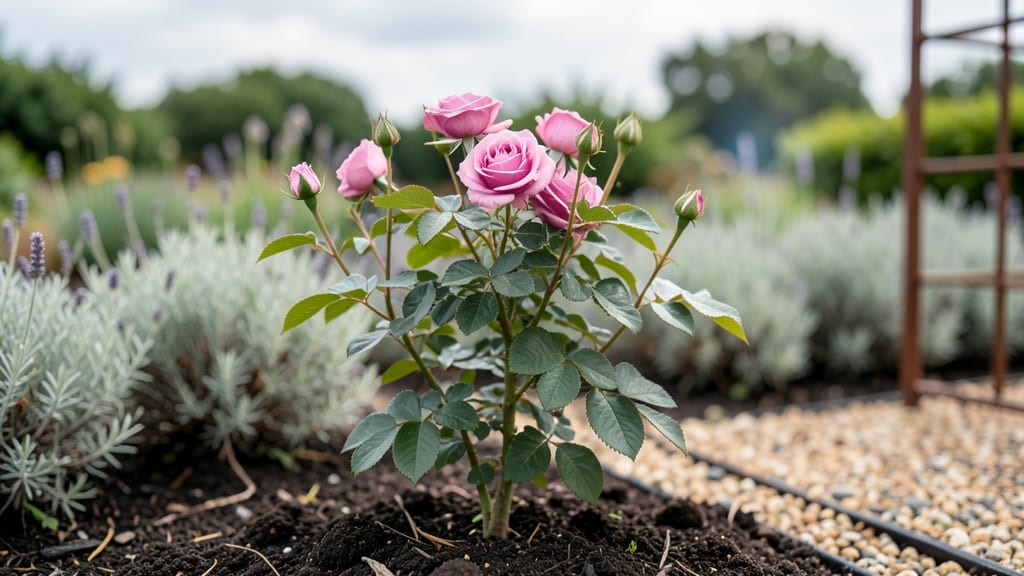
Miniature roses stay between 1 and 3 feet tall at maturity 🌹 — the perfect size for containers, window boxes, or tight garden beds where space is limited.
Imagine a rose that fits in a 10-inch pot but still delivers 50+ blooms per season. That’s the magic of these petite powerhouses, which pack all the romance of a full-size rose into a fraction of the footprint.
But size isn’t just about height—it’s also about spacing. Planting too close can crowd roots, while giving them too much room wastes precious balcony or patio space. Below, I’ll break down the ideal spacing, container sizes, and how to maximize blooms in even the smallest of gardens.
Whether you’re dreaming of a fairy-tale window box or a clutter-free balcony garden, these compact roses are the game-changer you’ve been looking for.


Understanding miniature rose size standards and growth habits
Miniature roses are often mistaken for their tiny cousins like fairy roses or miniature polyanthas, but their size classifications follow strict standards. The World Rose Society divides them into four classes based on height and spread, helping you choose the perfect variety for your space.
Understanding these categories ensures you pick roses that thrive in containers, window boxes, or small gardens without overcrowding.
Unlike fairy roses (which max out at 6 inches) or miniature polyanthas (often under 12 inches), true miniature roses range from 6 inches to just over 2 feet in height.
Their growth habits—compact yet vigorous—make them ideal for urban gardeners. Class 1 varieties are the smallest, while Class 4 can reach the upper limits of this category, offering more versatility in design.
| Class | Height Range | Spread Range | Growth Rate | Mature Time |
|---|---|---|---|---|
| Class 1 | 6–12 inches | 6–12 inches | Slow to moderate | 1–2 years |
| Class 2 | 12–18 inches | 12–18 inches | Moderate | 1–2 years |
| Class 3 | 18–24 inches | 18–24 inches | Moderate to fast | 1 year |
| Class 4 | Up to 30 inches | Up to 24 inches | Fast | 1 year |
Class 1 miniature roses, like 'Pink Parfait' or 'Baby Love,' are the darlings of window boxes and small containers. Their 6–12-inch height and slow growth rate make them perfect for beginners or those with limited space. These varieties often bloom prolifically but may require staking in windy conditions to support their delicate stems.
Moving up to Class 2, you’ll find varieties like 'Fairy Tale' or 'Peach Parfait,' which reach 12–18 inches tall and wide. These roses strike a balance between compact size and vigorous growth, making them ideal for balcony gardens or small patio planters.
Their slightly faster growth rate means they fill containers more quickly than Class 1, but they still thrive in 5–7 inch pots.
Class 3 roses, such as 'Fairy' or 'Little White Pet,' push the boundaries of the miniature category with heights up to 24 inches. These varieties are better suited for larger containers (10+ inches) or ground planting in small gardens. Their moderate to fast growth means they can outgrow their pots if not monitored, so pruning is key to maintaining their shape.
At the top of the size spectrum, Class 4 miniature roses like 'Fairyland' or 'Pinkie' can reach up to 30 inches tall and 24 inches wide. These are the most vigorous of the miniature group and often resemble small shrub roses.
They’re best planted in 12+ inch containers or as ground covers in narrow beds, where their sprawling habit can be an asset.
One common question is how miniature roses compare to fairy roses or miniature polyanthas.
While all three are small, fairy roses (like 'Fairy' series) are even tinier, typically under 6 inches, and often have single blooms. Miniature polyanthas, such as 'The Fairy' or 'Pinkie,' are slightly larger (6–12 inches) but tend to have clustered blooms and a more bushy habit, making them ideal for mass planting.
When planning your garden, consider the mature size of your chosen variety. A Class 1 rose in a 6-inch pot will look stunning, but the same pot might feel cramped for a Class 4 variety.
Always leave 1–2 inches of space between plants to prevent overcrowding and improve airflow, which reduces disease risk. For container gardening,
Best miniature rose varieties for small-space gardening
Miniature roses bring old-fashioned charm to tiny spaces without sacrificing beauty. These compact varieties thrive in containers, window boxes, or even hanging baskets, making them perfect for urban gardens and patios.
Their mature height ranges from just 6 inches to 2 feet, while their spread stays between 8 and 18 inches—ideal for cramped areas.
When selecting varieties, prioritize disease-resistant types like those with black spot resistance. Many modern hybrids also boast continuous blooming habits, ensuring you enjoy vibrant flowers from spring through fall. The key is matching the variety's growth habit to your container size and sunlight conditions.
Miniature Rose Size Comparison
Let's explore my top five miniature rose varieties that excel in containers. The 'Baby Love' series tops the list with its 12-18 inch height and 12 inch spread, producing pink blooms continuously. This variety thrives in 5-gallon containers and handles partial shade better than most.
For a white floral display, try the 'Fairy Tale' series, which reaches 15-20 inches tall with a 15 inch spread. Its double blooms create a lush, cloud-like effect perfect for hanging baskets.
Both varieties are black spot resistant and perfect for USDA zones 6-10, making them versatile choices.
If you prefer yellow roses, the 'Pink Parfait' (yes, it's pink!) and 'Golden Gate' are excellent picks. 'Golden Gate' grows 12-18 inches tall with golden-yellow blooms that brighten any patio. These varieties require well-draining soil and morning sunlight to prevent leaf scorch.
Don't overlook climbing miniature roses like 'Fairy' or 'Miniature Rambler' for vertical spaces. These can reach 3-4 feet tall when trained on trellises but maintain compact growth habits. They're perfect for balcony railings or small pergolas where vertical space is at a premium.
To maximize your miniature roses' performance, choose varieties that match your sunlight conditions and container size. Most thrive with 6+ hours of sun but can tolerate 4 hours in cooler climates. Always use containers with drainage holes and lightweight potting mix to prevent root rot.