
Blooming
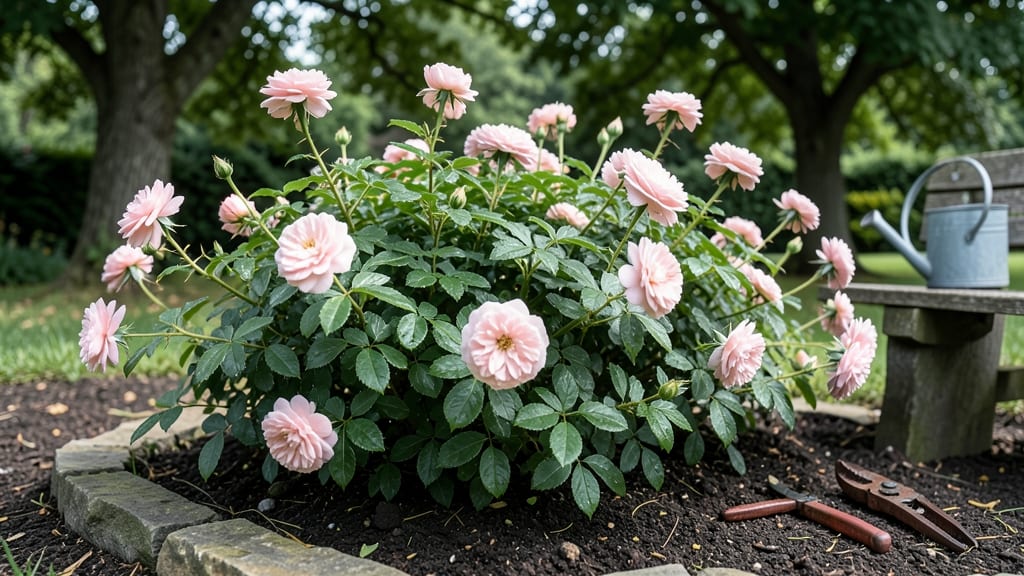
The moss rose bloom time falls between late spring and early summer, with the most vibrant displays appearing in May and June. However, your specific location's climate, sunlight levels, and soil quality can shift these dates by several weeks.
Understanding your local growing conditions is key to predicting when your moss roses will burst into color. 🌸 These hardy perennials thrive in USDA zones 7-11, where consistent warmth triggers their flowering cycle.
In cooler climates, you might see blooms extend into July, while southern gardeners often enjoy earlier displays as soon as April. The right balance of sunlight (at least 6 hours daily) and well-draining soil creates ideal conditions for prolonged blooming.
What's fascinating is how these factors interact. For example, while moss roses are drought-tolerant once established, consistent moisture during their active growth phase encourages more abundant flowers.
I've found that gardeners in coastal areas often get extended bloom seasons due to the moderating ocean breezes, while inland regions may experience more dramatic seasonal shifts.
💡 In This Article
- Climate and Environmental Factors Affecting Moss Rose Flowering
- Extending Moss Rose Bloom Season with Gardening Techniques
Climate and environmental factors affecting moss rose flowering
The moss rose's bloom cycle is primarily triggered by temperature shifts and daylight hours. These plants are sensitive to consistent warmth, typically requiring average daytime temperatures above 60°F (15.5°C) for at least 2-3 weeks to initiate flowering.
In cooler climates (USDA zones 7-8), this often aligns with late May, while warmer southern regions (zones 9-11) may see buds form as early as March or April when nighttime temperatures stay above 50°F (10°C). 🌡️
Sunlight exposure plays an equally critical role, with moss roses needing 6-8 hours of direct sunlight daily for optimal blooming. The plants use this light energy to produce chlorophyll and trigger hormonal changes that promote flower development.
In areas with shorter summer days (like northern latitudes), gardeners often notice reduced bloom abundance compared to sunnier southern locations. Interestingly, while moss roses tolerate partial shade, flowers produced in low-light conditions tend to be smaller and less vibrant due to reduced photosynthesis efficiency.
Soil conditions and moisture levels create another layer of influence. Moss roses thrive in well-draining soil with a pH between 6.0-7.5, which prevents root rot while allowing adequate nutrient uptake. During the active growth phase (spring to early summer), consistent moisture encourages lush foliage that supports more abundant blooms.
However, these plants are surprisingly drought-tolerant once established—my own Portulaca grandiflora plants in USDA zone 9 continue flowering beautifully with minimal irrigation after the first month of growth. 💧
Frost sensitivity is another key factor that affects bloom timing. A single hard frost (28°F/-2°C or lower) can damage emerging buds or even kill the plant in colder zones.
This is why gardeners in transitional zones (like zone 7) often plant moss roses in containers that can be moved indoors or to sheltered spots during late spring cold snaps. The plant's ability to survive drought but not frost creates a delicate balance that experienced gardeners must manage carefully.
Seasonal wind patterns also play a subtle but important role. Coastal gardeners frequently report more prolonged bloom seasons because ocean breezes moderate temperature extremes and provide natural humidity. Inland areas, however, may experience more dramatic temperature swings that can stress the plants and shorten their flowering period.
The combination of these factors explains why bloom times can vary by 4-6 weeks between different growing regions, even within the same general climate zone.
What most gardeners don't realize is how soil temperature affects root activity. Moss rose roots need soil temperatures above 55°F (13°C) to become active and absorb nutrients efficiently. In cooler spring mornings, this can delay the plant's overall growth and flowering by 2-3 weeks compared to warmer microclimates.
Using black plastic mulch or landscape fabric can help raise soil temperatures by 5-10°F in early spring, potentially advancing bloom times by several weeks in marginal climates. 🌱