
Light Requirements
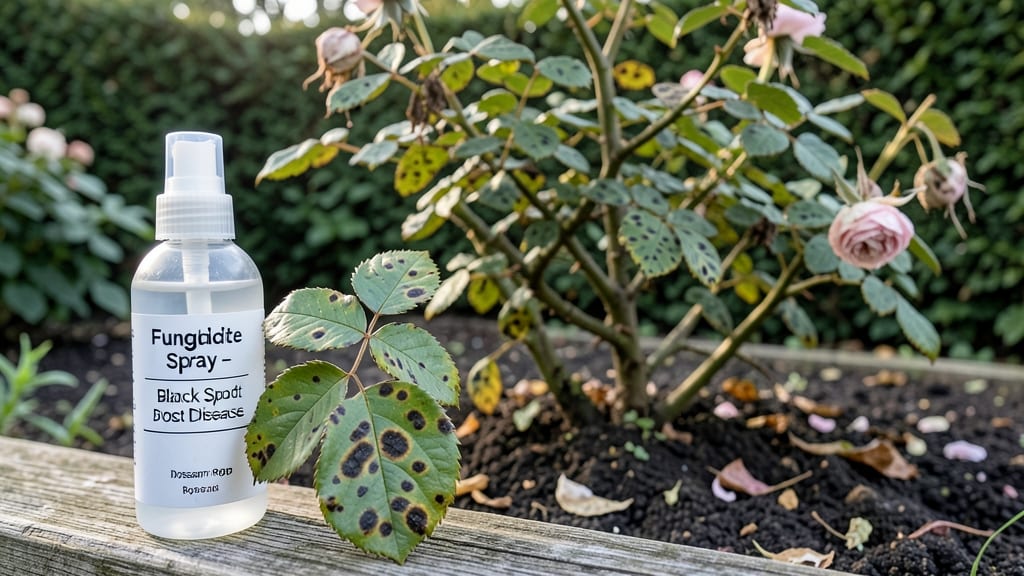
Your rose bush blight isn’t just wilting—they’re fighting a fungal blight that steals their strength, but there’s always a natural fix that works. 🌹 I’ve seen black spot, powdery mildew, and rust turn vibrant blooms into sad, spotted messes.
The key is acting fast, before the disease spreads to every leaf and stem. Most blights thrive in damp, shady conditions, so the first step is improving airflow and sunlight. Prune out infected leaves immediately (bag them up—don’t compost!) and thin crowded canes.
I’ve revived roses with just these adjustments, but for stubborn cases, a homemade spray of neem oil or baking soda keeps the fungus at bay without harsh chemicals. Within two weeks, you’ll see new growth pushing through, leaves staying green, and buds opening without those dreaded dark spots.
The secret? Consistency—check for new infections weekly, especially after rain, and repeat treatments until the plant’s defenses rebuild. This works for hybrid teas, floribundas, and even old garden roses. No more accepting wilted blooms as inevitable—your roses can bounce back, stronger than ever.
Root Causes Of Rose Decline
Understanding why your rose bush develops blight—or what gardeners often call "rose decline"—starts with recognizing the primary triggers that weaken its defenses. These causes aren’t just random; they’re usually a mix of environmental stress, microbial invasion, and poor plant health.
Let’s break down the science behind each so you can tackle them head-on.
---
Fungal blight thrives in excess moisture, creating the perfect breeding ground for pathogens like Botrytis cinerea (gray mold) or Marssonina rosae (black spot). Here’s why it happens:
- Poor Air Circulation 🌬️ – Dense foliage or overcrowded rose bushes trap humidity, preventing water evaporation. Fungal spores latch onto wet leaves and spread rapidly. - Overhead Watering 💦 – Splashing water onto leaves (rather than soil) spreads spores from infected plants to healthy ones.
This is how blight jumps from one bush to another. - Slow-Draining Soil 🏔️ – Compacted or clay-heavy soil holds water against roots, suffocating them and inviting fungal root rot (Phytophthora species). Roots can’t absorb nutrients, weakening the plant’s immunity.
Pro Tip: 💡 Space bushes 3–4 feet apart for airflow, water at the base, and amend soil with perlite or sand to improve drainage.
---
Insects like Japanese beetles, aphids, and spider mites don’t just eat leaves—they injure plant tissue, creating entry points for fungi. Here’s the chain reaction:
- Sap-Sucking Pests 🐜 – Aphids and mites pierce stems/leaves, excreting sticky honeydew that attracts sooty mold (a secondary fungal invader). - Leaf-Chewing Beetles 🐞 – Japanese beetles devour petals and leaves, leaving jagged wounds that fungi colonize within 48 hours. - Root-Feeding Grubs 🪰 – White grubs (Phyllophaga larvae) munch on roots, disrupting nutrient uptake and stressing the plant.
Action Step: ✨ Inspect undersides of leaves weekly for pests. Use neem oil or introduce beneficial nematodes (Steinernema carpocapsae) to control grubs naturally.
---
Roses need full sun (6+ hours/day) and balanced nutrients to fight disease. When these are off, blight sneaks in:
- Shade Stress 🌑 – Partial shade reduces photosynthesis, starving the plant of energy to produce antifungal compounds.
Weakened roses can’t resist fungal spores. - Nitrogen Overload 💥 – Too much nitrogen (from fertilizers) promotes lush but sap-rich leaves—fungi love feasting on this easy energy source. - Deficiency in Micronutrients 🧪 – Low phosphorus or potassium weakens cell walls, making them easier for fungi to penetrate.
Test soil pH (ideal: 6.0–6.5).
Fix It: 🌱 Prune to open the canopy for sunlight, use a balanced fertilizer (10-10-10), and add compost to replenish micronutrients.
--- Blight spores dormant in soil or plant debris wake up when conditions are right. These weather patterns are the biggest culprits:
| Trigger | How It Helps Fungi | Solution | |----------------------|-----------------------------------------------|---------------------------------------| | Prolonged Rain | Keeps leaves wet for >48 hours, activating spores | Prune for airflow, use fungicides like copper spray | | High Humidity | Spores germinate at 70%+ humidity | Mulch with straw (not wood chips) to regulate moisture | | Sudden Temperature Drops | Shock weakens plant immunity | Mulch heavily in fall to insulate roots |
Emergency Tip: 🚨 If rain is forecasted, apply a baking soda spray (1 tsp baking soda + 1 quart water + a drop of dish soap) to leaves as a preventative barrier.
--- Improper pruning doesn’t just shape your rose—it can accelerate blight. Here’s how:
- Leaving Stubby Cuts ❌ – Stumps >¼ inch invite water to pool, rotting the wound and inviting fungi. - Using Dirty Tools 🔪 – Pruners contaminated with old sap or spores can infect new cuts.
Always sterilize with 70% isopropyl alcohol. - Pruning During Wet Weather 🌧️ – Open wounds heal slower when damp, giving fungi a foothold.
Best Practice: ✂️ Prune on dry, sunny days, use sharp, clean tools, and make cuts at a 45-degree angle just above a healthy bud.
Revive Your Roses Naturally
Now that you understand the causes behind those wilted blooms and unsightly spots on your rose bushes, it’s time to roll up your sleeves and bring them back to life! 🌿💪 The good news?
Most fungal issues—like black spot, powdery mildew, or rust—can be tackled with simple, chemical-free solutions. Below, we’ve mapped out practical fixes for each common cause, plus prevention tips to keep your roses thriving long-term.
---
If your roses are covered in dark spots, white powder, or orange pustules, fungi are likely the culprits. Here’s how to stop the spread and restore health:
#### 1. Prune & Remove Affected Leaves 🔪✂️ - Why? Fungal spores thrive on infected plant matter.
Removing diseased leaves cuts off their food source. - How? - Snip off all leaves with visible spots, rust, or mildew using sterilized pruners (wipe with rubbing alcohol between cuts). - Do not compost infected clippings—bag and discard them in the trash to prevent reinfection. - Prune early in the day so leaves have time to dry, reducing humidity (which fungi love).
#### 2.
Apply a Homemade Fungicide 🧴🌿 Skip harsh chemicals and try these effective, natural sprays: - Baking Soda Solution (for powdery mildew): - Mix 1 tsp baking soda + 1 tbsp vegetable oil + 1 gallon water + a drop of dish soap (helps it stick). - Spray undersides of leaves (where fungi hide) every 7–10 days until symptoms fade. - Neem Oil Spray (broad-spectrum antifungal): - Combine 1 tbsp neem oil + 1 tsp mild soap + 1 quart water.
Shake well and spray evenly, covering all surfaces. - Reapply every 1–2 weeks or after rain. - Copper Fungicide (for stubborn black spot/rust): - Use a store-bought copper-based spray (like Bonide Copper Fungicide) as directed. Copper disrupts fungal spores without harming plants.
#### 3. Improve Air Circulation & Light 🌬️☀️ - Thin out crowded branches to allow sunlight and air to reach the center of the bush. - Space plants 3–4 feet apart to reduce humidity buildup. - Avoid overhead watering—use a soaker hose or drip irrigation to keep foliage dry.
#### 4.
Strengthen Your Roses’ Defenses 🛡️🌱 - Feed with compost or organic fertilizer (like fish emulsion or worm castings) to boost plant immunity. - Water at the base in the early morning so leaves dry quickly. - Mulch with straw or wood chips to keep soil moisture even and deter fungal spores.
--- If your roses are yellowing, wilting, or developing root rot, they’re likely drowning in soggy soil. Fix it fast:
#### 1. Check the Soil & Drainage 🏞️💧 - Dig a small hole near the base of the bush.
If water pools after 10 minutes, your soil is too compacted. - Solution: Mix in perlite, coarse sand, or compost to improve drainage. - Raise beds if your garden is naturally low-lying—consider a raised planter for roses.
#### 2. Adjust Your Watering Routine 💦⏰ - Water deeply but infrequently: 1–2 inches per week (including rain).
Let the top 2 inches of soil dry out between waterings. - Water in the morning so foliage dries by evening. - Avoid wetting leaves—direct the hose at the base of the plant.
#### 3. Aerate the Roots 🌱🔨 - Gently loosen soil around the roots with a fork to encourage oxygen flow. - If roots are black, mushy, or smelly, trim away the rotten parts and replant in fresh, well-draining soil.
--- Pests like Japanese beetles, aphids, or spider mites weaken roses, making them more susceptible to blight. Kick them out:
#### 1. Blast Them Off 🚿🐞 - Strong spray of water (from a hose) can knock off aphids and beetles. - Neem oil spray (same recipe as above) also repels pests while treating fungi.
#### 2. Introduce Beneficial Insects 🐝🐜 - Ladybugs eat aphids; praying mantises hunt beetles. Buy them from garden centers or plant companion flowers (like marigolds or dill) to attract them naturally.
#### 3. Use Physical Barriers 🛡️🌿 - Floating row covers (light fabric) can block beetles during peak feeding times. - Sticky traps (yellow cards coated in petroleum jelly) catch flying pests.
--- If your roses are struggling due to extreme heat, cold, or shade, adjust their environment:
#### 1. Provide the Right Light 🌞🌿 - Roses need 6–8 hours of sunlight daily. If they’re in shade, gradually move them to a sunnier spot over a few weeks. - Morning sun + afternoon shade works best in hot climates.
#### 2. Protect from Temperature Shocks 🥶☀️ - Mulch heavily in winter to insulate roots. - Use shade cloth (30–50%) in scorching summers to prevent leaf scorch.
#### 3. Reduce Stress with Proper Care 💆♂️🌱 - Prune in early spring (not fall) to encourage new, healthy growth. - Fertilize lightly in early spring and after blooming—too much nitrogen = weak, disease-prone plants.
--- Once your roses are back in bloom, lock in their health with these long-term strategies:
✅ Rotate sprays (neem oil one week, baking soda the next) to prevent fungal resistance. ✅ Clean up fallen leaves and debris year-round—fungi hibernate in old plant matter! ✅ Inspect new plants before buying—quarantine them for 2 weeks to spot early signs of blight. ✅ Plant disease-resistant varieties (like ‘Knock Out’ roses or ‘Dr. Huey’). ✅ Space roses properly (3–4 feet apart) to maximize airflow.
--- | Problem | Quick Fix | Prevention Step | |----------------------|----------------------------------------|--------------------------------------| | Fungal spots | Prune + neem oil spray | Mulch + improve airflow | | Overwatering | Check drainage + adjust watering | Raise beds if needed | | Pest infestation | Blast with water + introduce predators | Use row covers during outbreaks | | Environmental stress | Move to better light/temperature | Gradually acclimate plants |
With these steps, your roses will bounce back stronger—and you’ll be the hero of your garden! 🌹🔥 Whether you’re battling black spot, powdery mildew, or root rot, consistency is key. Stay vigilant, act fast, and soon you’ll have roses that bloom bold, healthy, and blight-free** all season long!
Frequently asked questions about rose bush blight
How do I tell if my rose bush has blight?
Look for dark spots on leaves (black spot), white powdery coatings (mildew), or orange pustules (rust). Check undersides of leaves first—fungi often hide there. Wilting, yellowing, or premature leaf drop are also red flags. Compare your symptoms to photos of common rose diseases to confirm.
Can I still save my roses if they're already heavily infected?
Yes, but act fast! Prune all infected leaves immediately (don't compost them!) and apply a fungicide like neem oil or copper spray. For severe cases, consider removing the worst canes. With consistent care, new growth will emerge within 2-3 weeks—just keep the environment dry and sunny.
Will my rose bush come back next year if I treat blight now?
Roses are hardy perennials—they'll regrow from the roots if you address the blight properly. The key is preventing reinfection: improve airflow, adjust watering habits, and apply preventative sprays (like baking soda solution) every 2 weeks during growing season. Healthy roots mean next year's blooms will be stronger.
Is it safe to use chemical fungicides on roses?
Chemical fungicides work but should be a last resort. Many contain harmful ingredients that can harm beneficial insects and soil microbes. Start with organic options like neem oil or copper sprays. If you must use chemicals, choose rose-specific products and follow label instructions precisely to protect pollinators.
How often should I check my roses for blight?
Inspect your roses weekly during growing season (spring-fall), especially after rain. Focus on new growth and undersides of leaves where fungi hide. Early detection is crucial—catching blight in its first stages makes treatment much easier. Keep a small notebook to track symptoms and treatment progress.