
Pests and Diseases
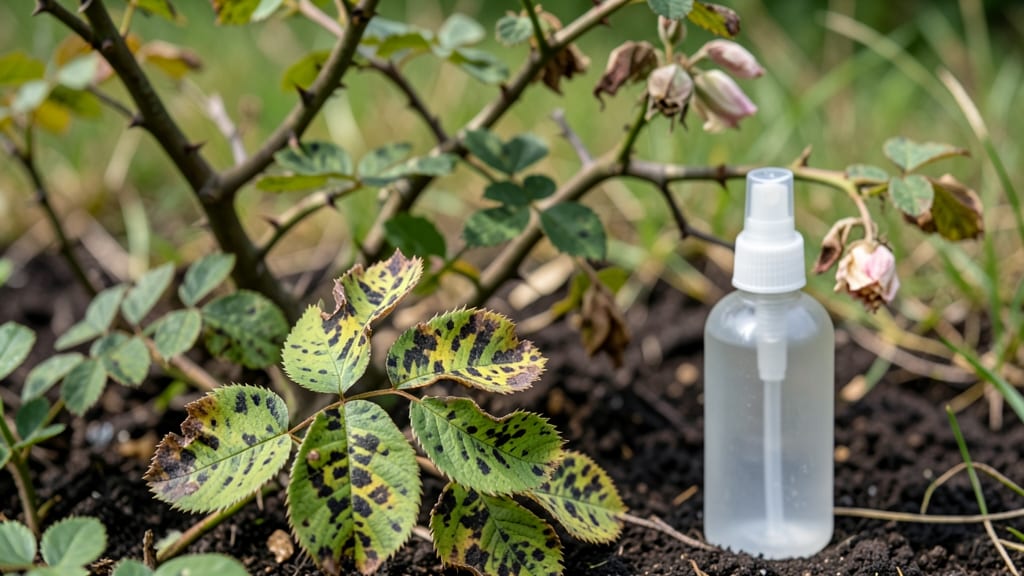
Your roses might look stunning from a distance, but those yellow leaves with black spots are a dead giveaway—it’s black spot disease, and it’s worse than you think. 🌿 This fungal infection spreads faster than weeds in spring, turning vibrant foliage into a sad, spotted mess if you don’t act now.
The good news? You can stop it before it ruins your bushes. Black spot thrives in damp, shaded conditions, so the first step is identifying the classic symptoms: dark spots with yellow halos, often on the upper leaves.
If you see this, your roses are already fighting a losing battle unless you intervene. With the right organic treatments—like neem oil or baking soda spray—you can reverse the damage and protect next year’s blooms. I’ve saved my own roses from total collapse using these methods, and you can too.
The key is acting fast and staying consistent. This isn’t just about saving leaves—it’s about keeping your roses healthy, blooming, and looking their best for seasons to come. Let’s get those spots under control before they spread.
Hidden Enemies Behind Yellowing Leaves
When your rose leaves start turning yellow with unsightly black spots, it’s often a sign that invisible—or sometimes very visible—fungal pathogens, pests, or environmental stressors are at work. Understanding the root causes (pun intended) helps you take precise action before the problem spreads.
Below, we break down the most common culprits, their science-backed explanations, and what triggers their attack.
Fungal diseases are the #1 cause of yellowing rose leaves with black spots. These microorganisms thrive in moist, warm conditions and can weaken your roses if left unchecked. Here’s how they strike:
#### **🔬 Black Spot Disease (Diplocarpon rosae)The most infamous fungal villain, Diplocarpon rosae, causes dark, circular spots with yellow halos—classic symptoms of your roses’ distress. Here’s how it works:
- Spores spread: The fungus releases spores in wet conditions (think rain, overhead watering, or high humidity). These spores land on leaves, germinate, and penetrate leaf tissue within 4–10 days.
- Leaf destruction: The fungus blocks chlorophyll production, turning spots yellow, then brown/black as the leaf tissue dies. Severe cases lead to defoliation (leaf drop), stressing the plant.
- Perfect conditions: Temperatures between 60–80°F (15–27°C) and high humidity (70%+) accelerate its growth. Shady, poorly ventilated gardens are hotspots.
💡 Pro Tip: Black spot spores can survive up to 2 years in fallen leaves or mulch—so clean up debris before spring!
#### 🍂 Powdery Mildew (Erysiphe spp.)While powdery mildew typically appears as white, powdery patches, it can also cause yellowing and blackened spots in advanced stages. Here’s the science:
- Surface colonization: The fungus grows on the upper leaf surface, sucking nutrients and clogging pores. This disrupts photosynthesis, leading to yellowing.
- Secondary infections: Weakened leaves become vulnerable to bacterial or fungal spot diseases, worsening discoloration.
- Environmental triggers: Low light, poor air circulation, and temperatures between 60–80°F (15–27°C) encourage outbreaks.
Rust diseases create orange pustules on undersides of leaves, but severe cases can lead to yellowing and blackened, crinkled spots. How?
- Spores overwinter: Rust fungi survive in plant debris or soil, releasing spores in spring when roses emerge.
- Systemic damage: The fungus disrupts stomatal function (leaf pores), causing cellular stress and chlorosis (yellowing).
- Host jumpers: Some rusts alternate between roses and weeds like barberry, making eradication tricky.
While fungi are the usual suspects, pests can also trigger yellowing and blackened spots by physically damaging leaves or spreading disease. Here’s how:
#### 🐛 Japanese Beetles (Popillia japonica)These metallic-green beetles skeletonize leaves (eat the soft tissue between veins), leaving behind a lacy, yellowed mess with blackened frass (feces).
- Feeding frenzy: Adult beetles chew leaves in late June–August, while grubs attack roots earlier in the season.
- Secondary infections: Open wounds invite fungal spores, accelerating black spot or mildew.
- Peak activity: Look for them in full sun, heat-stressed roses—they’re drawn to stressed plants!
Tiny, almost invisible mites suck plant sap, causing stippling (tiny yellow/white dots) that darken into necrotic (dead) spots. Here’s the damage breakdown:
- Sap extraction: Mites pierce cells with their stylets, injecting toxins that kill tissue and turn it brown/black.
- Webbing: Heavy infestations create fine webs, trapping moisture and promoting fungal growth.
- Drought triggers: Mites thrive in dry, hot conditions (80°F+/27°C+)—water stress makes roses more vulnerable.
These sap-sucking pests attach to stems/leaves, excreting honeydew that fosters sooty mold—a black, fuzzy fungus. How it happens:
- Honeydew production: Scale insects secrete sticky waste, which Sooty Mold (Capnodium spp.) feeds on, coating leaves in black grime.
- Blocked sunlight: Sooty mold blocks 50%+ of light, reducing photosynthesis and causing yellowing.
- Weakened plants: Infested roses are 3x more likely to develop fungal spots due to stress.
Not all yellowing with black spots is biological. Sometimes, it’s your garden’s conditions creating the perfect storm for symptoms. Here’s what to watch for:
#### 💧 Overwatering or Poor DrainageWaterlogged soil leads to root rot (Phytophthora fungi), which starves leaves of nutrients and oxygen. Signs include:
- Yellowing between veins: A classic sign of nutrient starvation (chlorosis).
- Black, mushy spots: Fungal growth thrives in anaerobic (oxygen-poor) soil.
- Wilted, droopy leaves: Roots can’t absorb water efficiently.
💡 Pro Tip: Test your soil’s drainage—stick a trowel in the ground after watering. If water pools after 2+ hours, you’ve got poor drainage.
#### ☀️ Nutrient Deficiencies (Especially Magnesium & Iron)Yellowing with blackened spots can mimic disease when your roses lack key nutrients. Here’s the breakdown:
| Nutrient Deficiency | Leaf Symptoms | Why It Happens |
|---|---|---|
| Magnesium (Mg) | Yellowing between veins (especially older leaves) with brown/black necrotic patches. | Magnesium is crucial for chlorophyll production. Poor soil, acidic pH (<5.5), or heavy clay locks it out. |
| Iron (Fe) | Bright yellow leaves with blackened tips (young leaves first). | Iron is immobile in plants—when soil pH is too high (>7.0), roots can
Revive Your Roses NaturallyIf your roses are battling yellowing leaves with black spots, don’t panic—there’s hope! The good news is that most of these issues can be reversed with simple, organic fixes. Below, we’ve mapped out targeted solutions based on the most likely causes, along with prevention tips to keep your roses thriving long-term. Let’s get those leaves back to their vibrant best! Fungal infections like black spot or powdery mildew are the #1 culprits behind yellowing rose leaves. Here’s how to tackle them: #### 🔥 Step 1: Prune Infected Leaves Immediately - Use sterilized pruners (wipe with rubbing alcohol) to remove all yellow or spotted leaves. Don’t leave them on the ground—this spreads spores! - Trim back to healthy green tissue to prevent further spread. #### 🍳 Step 2: Apply a Fungicide Spray (Organic Options) Choose one of these DIY or store-bought treatments:
If the spots are greasy or ooze when wet, bacteria may be the culprit. Here’s how to combat it: #### 🔪 Step 1: Remove & Destroy Infected Parts - Cut off all affected leaves and stems. Do NOT compost them—bag and discard. - Sterilize pruners between cuts to avoid cross-contamination. #### 🌡️ Step 2: Use a Copper-Based Spray - Copper fungicide (like Copper Soap) is the most effective organic treatment. Spray every 7–14 days. - For severe cases, repeat applications may be needed. #### 🎯 Prevention Tips - Avoid overhead watering—use drip irrigation instead. - Rotate rose varieties if possible—some are more resistant to bacterial spot. - Disinfect tools after each use to prevent spread.Pests like aphids or spider mites can weaken leaves, making them susceptible to yellowing and spots. Here’s how to evict them: #### 💡 Step 1: Blast Off Pests with Water - Use a strong hose spray to dislodge aphids from undersides of leaves. - For spider mites, spray leaves with water daily for 3–5 days to knock them off. #### 🌿 Step 2: Introduce Beneficial Insects - Ladybugs or lacewings eat aphids naturally. Buy them from garden centers. - Predatory mites (like Phytoseiulus persimilis) target spider mites. #### ✨ Step 3: Apply Insecticidal Soap - Mix 1.5 tbsp castile soap + 1 quart water. Spray directly on pests (test on a small leaf first). - Reapply every 5–7 days until pests are gone. #### 🔥 Prevention Tips - Encourage natural predators by planting companion flowers (like marigolds or nasturtiums). - Inspect new plants before bringing them home—quarantine if needed. - Avoid broad-spectrum pesticides—they kill beneficial insects too!Healthy roses resist disease better. Follow these proactive steps to keep your garden thriving:
With these targeted fixes, your roses should bounce back in 2–4 weeks. Stay vigilant, and soon you’ll have lush, spot-free foliage—ready to bloom beautifully again! 🌹✨ Frequently asked questions
1
Are black spots on rose leaves always caused by disease?Not always! While fungal diseases like black spot are the most common culprits, blackened spots can also result from pest damage (like spider mites or scale insects) or environmental stressors such as nutrient deficiencies (especially magnesium or iron) or poor drainage causing root rot. Always check for other symptoms like webbing, sticky residue, or yellowing patterns to narrow down the cause.
2
How quickly can I expect to see improvement after treating fungal spots?With consistent organic treatments like neem oil or baking soda spray, you should notice new growth appearing within 2-3 weeks. However, existing infected leaves won't recover—focus on removing them immediately. For severe cases, it may take up to 4-6 weeks to see full recovery, especially if the plant was heavily stressed.
3
Can I still use my roses for cut flowers if they have black spots?It's best to avoid using spotted roses for cut arrangements. The fungus can spread through water in vases, infecting other flowers. If you must use them, remove all spotted leaves before arranging and change the water daily. For long-term health, it's better to focus on treating the plant first.
4
Will pruning help if my rose bush is already heavily infected?Heavy pruning is one of the most effective ways to stop the spread. Remove all infected leaves and stems back to healthy green tissue, and sterilize your pruners between cuts. This not only removes the infection source but also improves airflow, which helps prevent future outbreaks. Just remember to dispose of pruned material properly.
5
Are there any rose varieties that naturally resist black spot?Yes! Some modern hybrid roses are bred for disease resistance. Look for varieties labeled as "disease-resistant" like 'Knock Out' roses, 'Dr. Huey', or 'Earth Song'. These varieties often have better natural defenses against fungal infections while still producing beautiful blooms. Always check the plant tag or do a quick online search before purchasing. |