
Shrubs
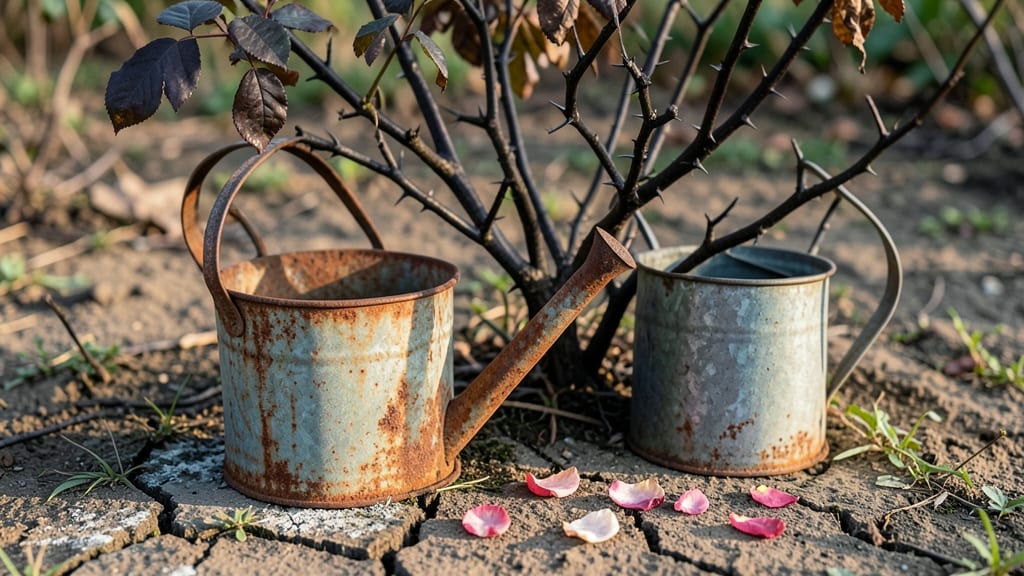
Scrolling through those unhealthy pictures of dead rose bushes can feel like a gardener’s worst nightmare—but don’t despair. TLC. The key is spotting the early warning signs before the damage becomes permanent.
Black spots on leaves? That’s fungal black spot, and it spreads faster than you’d think. Yellowing leaves with white webbing? Spider mites are sucking the life out of your plant. Overwatering can drown roots, while underwatering leaves them thirsty and crispy.
The good news? Each problem has a specific fix, and I’ll walk you through the most common culprits and how to reverse them.
By the end, you’ll have a revived bush that’s stronger than ever—no more guessing games. We’ll tackle pruning, soil health, and pest control in just three focused steps, so you can get back to enjoying those fragrant blooms instead of mourning a lost plant.
Whether your roses are wilting from neglect or battling pests, this method works for every type of rose—hybrids, climbers, even those stubborn shrub varieties. Let’s bring them back to life!
Root Causes Of Wilted Roses
Dead or dying rose bushes often reveal themselves through drooping leaves, blackened canes, or a complete lack of blooms—like the sad, unhealthy pictures you’ve seen. But why does this happen? The answer usually lies in a mix of environmental stressors, poor care, and underlying health issues.
Let’s break down the key culprits behind your roses’ decline, so you can diagnose—and fix—the problem.
---
Roses hate "wet feet," and soggy soil is a silent killer. When roots sit in waterlogged conditions, they suffocate from a lack of oxygen, leading to root rot—a fungal infection that cuts off nutrient uptake.
Signs include: - Yellowing leaves (chlorosis) - Mushy, blackened roots when inspected - Stunted growth despite regular watering
Why it happens: - Compacted or clay-heavy soil traps excess moisture. - Overzealous watering (especially without checking soil moisture). - Lack of mulch or proper drainage systems (like raised beds or gravel layers).
Actionable fix: - Test soil moisture by sticking your finger 2-3 inches deep—water only if dry. - Amend soil with organic matter (compost, perlite) to improve aeration. - Ensure pots or garden beds have drainage holes and elevate plants slightly.
---
While overwatering drowns roots, chronic dehydration causes leaves to crisp, canes to weaken, and buds to drop. Roses are thirsty plants, especially in hot climates!
Why it happens: - Infrequent watering (letting soil dry out completely). - Shallow root systems in sandy or fast-draining soil. - Extreme heat or wind evaporating moisture before roots absorb it.
Actionable fix: - Water deeply 2-3 times per week (not daily light sprinkles). - Use drip irrigation or soaker hoses to deliver water at the root zone. - Mulch with 2-4 inches of organic mulch (straw, wood chips) to retain moisture.
---
Roses are heavy feeders and require a balanced diet of nitrogen (N), phosphorus (P), and potassium (K), plus micronutrients like iron and magnesium. Deficiencies show up as: - Yellow leaves between veins (iron/chlorosis). - Purple stems or small leaves (phosphorus deficiency). - Weak, leggy growth (nitrogen starvation).
Why it happens: - Poor soil quality (lack of organic matter or compost). - Improper fertilization (too little, too much, or wrong ratios). - pH imbalances (roses prefer 6.0–6.5; acidic or alkaline soil locks out nutrients).
Actionable fix: - Test soil pH with a kit and amend with lime (to raise pH) or sulfur (to lower it). - Feed with a balanced rose fertilizer (e.g., 10-10-10 or 5-10-5) every 4-6 weeks during growing season. - Use chelated iron or Epsom salt (magnesium sulfate) for quick fixes.
---
Hidden invaders like Japanese beetles, aphids, spider mites, or fungal pathogens (e.g., black spot, powdery mildew) weaken roses by: - Sap-sucking pests (aphids, mites) drain energy, causing stunted growth. - Fungal infections (black spot) block sunlight, leading to leaf drop. - Bacterial canker (oozing cankers on stems) spreads rapidly in humid conditions.
Why it happens: - Stressed plants (from poor care) are easier targets. - Humid climates or overhead watering encourage fungal growth. - Lack of preventative care (pruning, fungicides, or pest control).
Actionable fix: - Inspect leaves/stems weekly for holes, webbing, or spots. - Spray neem oil (natural fungicide/pesticide) every 2 weeks. - Prune infected branches (sterilize tools with rubbing alcohol). - Avoid wetting foliage when watering; use drip systems instead.
--- Roses thrive in full sun (6+ hours/day) and moderate climates. Push them too far, and they’ll suffer: - Heat stress (wilting, sunburned leaves) in >90°F temperatures. - Cold damage (blackened canes, delayed blooms) in frost-prone zones. - Windburn (dried, papery leaves) from constant gusts.
Why it happens: - Improper planting location (shade from trees/buildings or harsh afternoon sun). - Sudden temperature swings (e.g., spring frosts after buds form). - Lack of windbreaks (e.g., fences, other plants) in exposed areas.
Actionable fix: - Plant in a sunny spot with afternoon shade in hot climates. - Mulch heavily in winter to insulate roots (use straw or pine needles). - Use windbreaks (bamboo screens, tall grasses) to protect delicate canes.
--- Even healthy roses decline with age. Old canes (3+ years) produce fewer blooms and are more prone to disease. Overpruning (cutting back too aggressively) also stresses plants.
Why it happens: - Neglected renewal pruning (removing old wood annually). - Harsh winter pruning (cutting back to bare wood before spring). - Root-bound pots (roots circling, starving the plant).
Actionable fix: - Prune in late winter/early spring, cutting back 1/3 of old canes to encourage new growth. - Repot mature roses every 2-3 years to refresh soil and roots. - Fertilize lightly in early spring to support regrowth.
Reviving Your Roses Step By Step
Now that you’ve diagnosed the issue plaguing your rose bushes, it’s time to turn things around! 🌱 Whether your plants are wilting from overwatering, struggling with pests, or suffering from nutrient deficiency, these practical, step-by-step solutions will help you nurse them back to health.
We’ve mapped out fixes based on the most common causes—plus prevention tips to keep your roses thriving long-term.
---
Signs: Yellowing leaves, mushy stems, or soil that smells sour.
How to Fix It: 🔥 Stop Watering Immediately – Let the soil dry out completely before watering again. Stick your finger 2-3 inches deep into the soil; if it’s damp, wait.
🍳 Improve Drainage – If your roses are in pots, add perforations to the bottom or repot into a container with drainage holes. For in-ground plants, amend the soil with perlite or coarse sand to loosen compacted areas.
👨🍳 Repot if Necessary – If roots are rotting (black, mushy, or smelly), trim away the damaged sections with sterilized pruners and repot in fresh, well-draining soil.
⏰ Water Deeply but Less Often – Water once a week (or when the top 1-2 inches of soil are dry) and ensure water penetrates 6 inches deep. Use a soaker hose or drip irrigation to avoid surface pooling.
💡 Pro Tip: Mulch around the base (but not touching the stem) with wood chips or straw to retain moisture without suffocating roots.
---
Signs: Brown, crispy leaf edges, wilting despite moist soil, or sunken stems.
How to Fix It: 🔥 Provide Afternoon Shade – If your roses are in a hot, exposed spot, install a shade cloth (30-50% coverage) or move potted roses to a partially shaded area for a few weeks.
🍳 Water Early in the Day – Morning watering (before 10 AM) gives roots time to absorb moisture before the sun evaporates it. Avoid evening watering to prevent fungal growth.
👨🍳 Mulch Thickly – Apply 3-4 inches of organic mulch (like shredded bark) to insulate roots and keep soil cooler.
🎯 Fertilize Lightly – Heat-stressed roses need balanced nutrients but not too much. Use a slow-release rose fertilizer (10-10-10) every 6-8 weeks in spring and summer.
✨ Prevention: Choose heat-tolerant rose varieties (like ‘Knock Out’ or ‘Earth Kind’ roses) if you live in a hot climate.
---
Signs: Holes in leaves, sticky residue, black spots, or white powdery coatings.
How to Fix It: 🔥 Identify the Culprit – Common rose pests include aphids, spider mites, and Japanese beetles, while diseases like black spot or powdery mildew thrive in humidity.
🔪 Prune Infected Parts – Cut off damaged leaves, buds, or stems with sterilized pruners (wipe with rubbing alcohol between cuts). Dispose of clippings in the trash (not compost).
🌡️ Spray Natural Remedies – - For Aphids/Spider Mites: Mix 1 tsp dish soap + 1 quart water, spray directly on pests (test on a few leaves first). - For Fungal Diseases: Apply baking soda spray (1 tbsp baking soda + 1 quart water + a few drops of soap) every 7-10 days. - For Beetles: Handpick them off or use neem oil spray (follow package instructions).
💡 Boost Plant Immunity – Strengthen roses with compost tea or fish emulsion to help them fight off future attacks.
💡 Pro Tip: Prevent pests by pruning for airflow (remove crowded branches) and watering at the base (not overhead) to keep foliage dry.
---
Signs: Pale yellow leaves (chlorosis), stunted growth, or weak, thin canes.
How to Fix It: 📊 Test Your Soil – Grab a DIY soil test kit (or send a sample to a local extension office) to check pH and nutrient levels. Roses prefer slightly acidic soil (6.0-6.5).
💪 Fertilize Strategically – - Spring (March-April): Use a high-nitrogen fertilizer (like 10-5-5) to promote leaf and stem growth. - Summer (June-July): Switch to a balanced or phosphorus-heavy fertilizer (5-10-10) to encourage blooming. - Fall (September): Apply a low-nitrogen, high-potassium fertilizer (5-5-10) to strengthen roots for winter.
🥗 Add Organic Amendments – - Epsom salt (1 tbsp per gallon of water) – Fixes magnesium deficiency (yellow leaves with green veins). - Cottonseed meal – Boosts nitrogen for lush foliage. - Bone meal – Provides phosphorus for strong roots and flowers.
✨ Prevention: Mulch annually with compost or well-rotted manure to slowly release nutrients over time.
---
Signs: Blackened canes, cracked bark, or delayed spring growth.
How to Fix It: 🔥 Prune Dead Wood – In early spring, cut back any blackened or mushy canes to healthy green tissue.
🍳 Insulate for Next Winter – - Wrap canes with burlap or frost cloth after the first hard frost. - Mound soil or mulch around the base (up to the graft union for hybrid roses) to protect roots. - Use rose cones (available at garden centers) for extra insulation in cold climates.
👨🍳 Avoid Late-Season Fertilizing – Stop fertilizing 6-8 weeks before the first frost to encourage root hardening.
💡 Pro Tip: Plant roses in a sheltered spot (near a fence or building) to reduce wind and frost damage.
--- Final Thought: Revival takes patience and consistency—don’t expect overnight miracles! Monitor your roses weekly, adjust care as needed, and soon, you’ll be snapping fresh, healthy photos instead of those sad, wilted shots. 🌹✨
Frequently asked questions
What are the first signs my rose bush is dying?
Watch for yellowing leaves, blackened canes, or drooping stems—these are early warning signs. If you see brown crispy edges or leaves falling off despite watering, your rose may be struggling with dehydration or disease. Check the roots too: healthy roots should be firm and light brown, while rotten roots are black and mushy.
Can I save a rose bush with black spots on the leaves?
Yes, but act fast! Black spots are usually fungal infections like black spot. Prune infected leaves immediately with sterilized shears and dispose of them in the trash (not compost). Apply a baking soda spray (1 tbsp baking soda + 1 quart water + a drop of soap) every 7-10 days to stop the spread. Improve airflow by spacing plants and avoid overhead watering.
Why do my rose leaves turn yellow even when I water them regularly?
Yellow leaves often signal overwatering, nutrient deficiency, or root rot. Check soil moisture—if it’s soggy, reduce watering. If the yellowing is between veins, it’s likely iron deficiency (chlorosis). Fix it with chelated iron or Epsom salt (1 tbsp per gallon of water) and test your soil’s pH—roses prefer 6.0–6.5. Amend with compost if needed.
How do I know if my rose bush is dead or just dormant?
Scratch the bark—if it’s green underneath, your rose is alive but dormant (common in winter). If the bark is dry, brittle, and black with no green, it’s likely dead. For potted roses, gently tug on the plant: if it resists, roots are still active. Give it time—some roses take weeks to show signs of revival after winter.
What’s the quickest way to revive a severely neglected rose bush?
Start with a deep pruning—cut back 1/3 of the oldest canes to healthy green wood. Repot if needed (use fresh, well-draining soil), then fertilize with a balanced rose food (10-10-10). Water deeply 2-3 times per week and mulch with 2-3 inches of organic matter to retain moisture. Avoid fertilizing until new growth appears (usually 4-6 weeks).