
Container Gardens
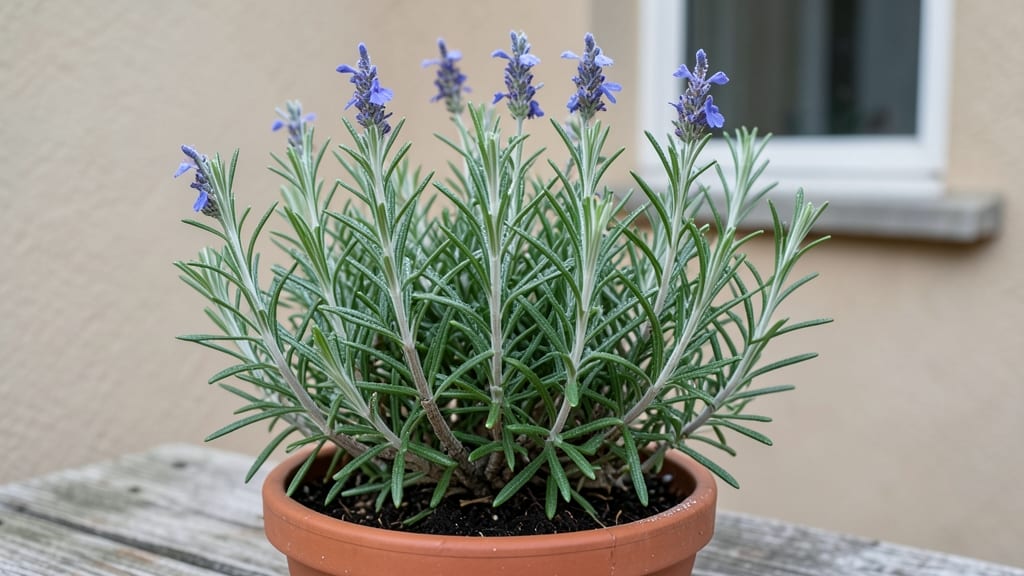
This fragrant herb does more than just add aroma to your cooking—it boosts flavor profiles in savory dishes like roasted chicken or garlic bread, thanks to its piney, slightly citrusy notes. 🌿 Beyond the kitchen, rosemary's antioxidants help fight oxidative stress, while its compounds may enhance circulation and even reduce muscle soreness after workouts.
Many gardeners swear by it as a natural insect repellent too!
For those curious about its cognitive benefits, studies suggest rosemary's scent can improve focus and recall—perfect for study sessions or office spaces. You can harness these effects by steeping fresh sprigs in hot water for tea or diffusing its essential oil.
Just remember: moderation is key, especially when consuming large amounts, as its high concentration of compounds means too much can be overpowering.
💡 In This Article
- Rosemary’s Culinary and Aromatic Uses in Cooking
- Medicinal Properties and Health Benefits of Rosemary
Rosemary’s culinary and aromatic uses in cooking
Rosemary’s pine-like aroma and earthy flavor come from compounds like 1,8-cineole and camphor, which give it that distinctive scent that lingers long after cooking.
When used fresh, its needles release oils that infuse into foods at 350°F+, making it ideal for roasting meats like lamb or chicken—where it pairs perfectly with garlic and rosemary’s natural umami depth.
The herb’s texture, with its tough stems and delicate leaves, means you should always strip them before using, as the stems add bitterness rather than flavor.
This herb isn’t just for meats—it excels in breads, where its aroma enhances crusts and doughs. Try adding 1 tablespoon of finely chopped rosemary per pound of dough for focaccia or herb breads.
For preservation, rosemary’s antimicrobial properties help extend shelf life when added to marinades or stored with cured meats. A DIY rosemary-infused oil (simmer 1 cup oil with ½ cup fresh sprigs for 10 minutes) keeps for weeks in the fridge, perfect for drizzling over roasted vegetables or salads.
Rosemary’s versatility shines in vinegars too—steep 4 sprigs in 2 cups white wine vinegar for 2 weeks to create a tangy, aromatic dressing.
The key to balancing its bold flavor is pairing it with complementary ingredients: citrus brightens its earthiness, while fatty foods (like olive oil or butter) help distribute its aromatic compounds.
Unlike milder herbs, rosemary shouldn’t be added late in cooking—its oils need time to develop, so add it 20-30 minutes before serving for best results.
For those new to rosemary, start with ½ teaspoon dried (or 1 tablespoon fresh) per dish—too much can overwhelm delicate flavors. The herb’s heat tolerance makes it great for grilling: toss potatoes or asparagus in olive oil, rosemary, salt, and pepper, then grill at 400°F for 15-20 minutes.
The smoky char from grilling combines beautifully with rosemary’s natural piney notes, creating a flavor profile that’s both complex and comforting.
Beyond cooking, rosemary’s aroma makes it a natural air freshener—simmer a pot with sprigs, lemon peels, and cinnamon sticks for a spa-like atmosphere. Its ability to repel pests (like mosquitoes) also makes it a garden staple. For maximum potency, harvest sprigs just before flowering, as the oils peak then.
Store fresh rosemary wrapped in a damp paper towel in the fridge for up to 2 weeks, or freeze sprigs in olive oil for long-term use.