
Shrubs
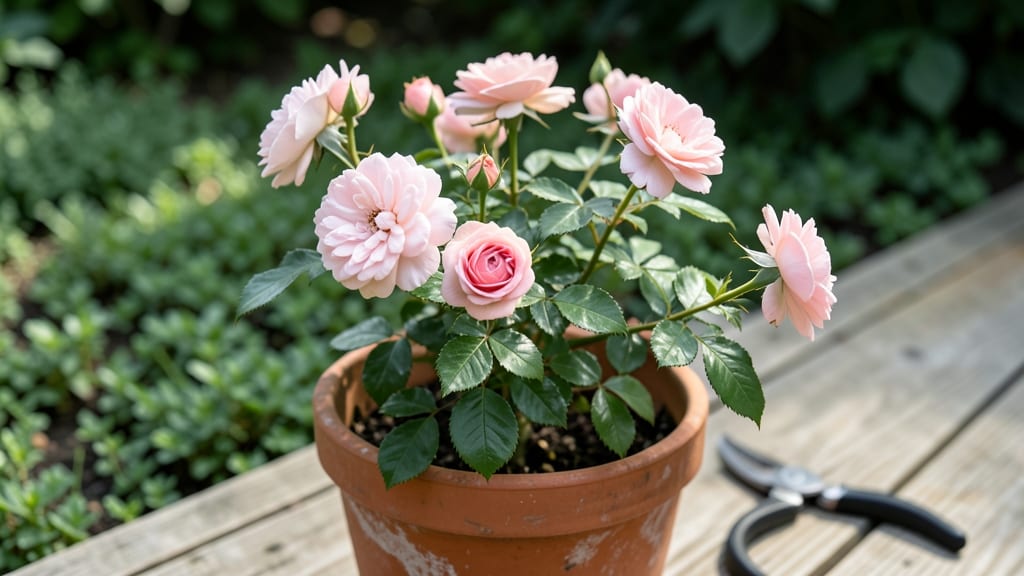
White small roses spill over containers like soft snow, turning any patio into a romantic escape. 🌸 I’ve filled terracotta pots with these delicate blooms, and they never fail to draw admiring glances—especially when paired with trailing ivy or dusty miller.
Their versatility makes them perfect for cottage gardens, minimalist arrangements, or even modern urban spaces where space is limited.
The secret to their effortless charm lies in their low-maintenance nature. They thrive in partial sun, tolerate a range of soils, and bloom repeatedly all season long. Pair them with lavender for a soothing contrast or add poppies for a whimsical touch.
The key is keeping them well-drained and deadheading spent blooms—it’s the only real work they demand.
Imagine a cascading display in a hanging basket or a mixed container with silver foliage—your neighbors will think you spent hours styling it. These roses bring elegance without fuss, making them ideal for anyone who wants beauty without the upkeep.
The fragrance alone is enough to make any outdoor space feel like a sanctuary.
They work in every garden style, from rustic to refined, and even small balconies can host them. Try mixing them with succulents for a modern twist or classic hydrangeas for a timeless look. The possibilities are endless, and the results are always stunning.
📚 In This Guide
- What you need
- Instructions
- Tips and common mistakes
- Wrapping up and next steps
What you need
- ● White small rose varieties: Choose compact, disease-resistant types like 'White Meillandina', 'Iceberg', or 'Blanc Double de Coubert' (3–5 plants per container or 5–6 ft spacing in garden beds).
- ○ Containers: 15–20 gallon pots with drainage holes (terracotta or fabric grow bags work best). Optional: Window boxes or hanging baskets for cascading varieties.
- ● Potting mix: High-quality, well-draining blend (e.g., 60% peat moss, 30% perlite, 10% compost). Pro tip: Add 1 cup of slow-release fertilizer (10-10-10) per 5 gallons of mix!
- ● Gravel or pebbles: 1–2 inches for drainage layer at the bottom of containers.
- ● Rose-specific fertilizer: Organic (fish emulsion, bone meal) or synthetic (e.g., Miracle-Gro Rose Food).
- ● Mulch: 2–3 inches of shredded bark or pine straw to retain moisture.
- ● Hand trowel or small shovel for planting.
- ● Pruning shears (sterilized with rubbing alcohol) for trimming dead growth.
- ● Gloves (gardening or rose-specific to avoid thorns).
- ● Watering can or hose with gentle spray nozzle (avoid wetting foliage).
- ○ Support system: Optional but helpful: Small stakes or obelisks for climbing varieties; decorative lattice for containers.
- ● Sunlight access: 6+ hours of full sun daily (partial shade in hot climates).
- ● Patience! Small roses may take 2–3 years to reach full bloom potential.
Step-by-step guide for growing white small roses in containers
Here’s how to keep these dainty blooms thriving in pots with lush, cascading beauty.
🪴 Step 1: Choose the Right Container and Drainage
Start with a pot at least 12 inches deep and 14-16 inches wide—small roses need room for roots to spread and anchor themselves. I like to use unglazed terra cotta because it breathes, but any container with drainage holes works. If your pot lacks holes, drill 2-3 extra—waterlogged roots will rot stems faster than you can say "wilted bloom."
Add a 2-inch layer of gravel or broken pottery at the bottom. This ensures water drains freely while keeping soil in place. The gravel also prevents roots from circling at the bottom, which weakens plants over time. Tap the pot gently to settle the drainage layer before adding soil.
🌱 Step 2: Prepare Soil and Plant with Care
Fill the container with a mix of equal parts potting soil, perlite, and compost—this gives roses the airy roots they crave. I always pre-moisten the mix until it’s damp like a wrung-out sponge, but not soggy. Press it lightly into the pot to remove air pockets, then create a 3-inch deep hole in the center.
Gently remove your rose from its nursery pot and tease the roots apart if they’re circling. Place it in the hole so the graft union (the bump near the base) sits 1 inch below soil level. This prevents the plant from growing too tall too fast. Backfill with soil, pressing lightly to eliminate air gaps, then water deeply until it drains from the bottom holes.
☀️ Step 3: Position for Sun and Water Consistently
White small roses need 6-8 hours of direct sun daily—a south or west-facing spot is ideal. If you’re growing them in partial shade, expect fewer blooms and leggier stems. I’ve learned the hard way: morning sun with afternoon shade prevents scorched petals while keeping flowers vibrant.
Water when the top inch of soil feels dry—usually every 2-3 days in summer, but adjust for your climate. Overwatering is the #1 killer of potted roses; I always check by sticking my finger in the soil before watering. Mulch the surface with 1 inch of bark chips to retain moisture and keep roots cool.
✂️ Step 4: Prune for Bushier Growth and More Blooms
Prune in early spring before new growth starts. Cut back one-third of the plant’s height, focusing on crossing branches and weak stems. I use clean, sharp shears to make 45-degree cuts just above a leaf node—this encourages new growth from the base. Deadhead spent blooms regularly to redirect energy into fresh flowers.
Fertilize every 4-6 weeks during growing season with a balanced rose fertilizer (10-10-10 or similar). I mix it into the top inch of soil after watering to avoid burning roots. Stop fertilizing in fall to let the plant prepare for dormancy.
⏰ Step 5: Winter Care for Next Year’s Blooms
When temperatures drop below 30°F, move pots to a sheltered spot or wrap them in burlap to protect from cold winds. I’ve had roses survive winters this way, but if your area gets harsh freezes, bring them indoors near a sunny window. Reduce watering in winter—just enough to keep soil slightly moist.
In late winter, inspect for pests or damaged stems. Prune out any dead wood before spring growth begins. This is also the time to refresh the mulch and top-dress with 1 inch of compost—your roses will reward you with lush new foliage and cascading blooms by summer.
Tips & tricks for perfect white small roses in containers
Here's what I've learned after years of growing these delicate beauties—simple tricks that make all the difference between healthy plants and struggling survivors.
Container Size Matters: The 12-inch depth and 14-16 inch width aren't just suggestions—they're non-negotiable for white small roses. I've tried smaller pots, and the roots simply can't establish properly. For larger varieties, you can scale up container size proportionally, but never go smaller than these minimums. The extra space prevents root binding, which leads to stunted growth and fewer blooms.
Soil Mix Secrets: That equal parts potting soil, perlite, and compost blend works wonders because it replicates the roses' natural, well-draining environment. The perlite prevents compaction while the compost provides essential nutrients. Pro tip: Sterilize your soil mix by baking it at 200°F for 30 minutes before planting to kill any pathogens that could harm your delicate roses.
Sunlight Strategy: The 6-8 hours of direct sun requirement is crucial, but timing matters just as much. I've found that morning sun with afternoon shade creates the perfect balance—it prevents the petals from scorching while still giving the plant enough energy for vibrant blooms. If your only sunny spot gets intense afternoon sun, consider using a sheer curtain to filter the light during peak hours.
Winter Protection: At 30°F, your roses need serious protection. I've had success wrapping pots in burlap and placing them against a south-facing wall where they get reflected warmth. For extreme cold below 20°F, move them indoors to a bright, cool spot. Just remember to reduce watering significantly—roots go dormant in winter and need much less moisture.
Pro Tips for White Small Roses
- Here's what I've learned after years of growing these delicate beauties—simple tricks that make all the difference be...
- Container Size Matters: The 12-inch depth and 14-16 inch width aren't just suggestions—they're non-negotiable for whi...
- Soil Mix Secrets: That equal parts potting soil, perlite, and compost blend works wonders because it replicates the r...
Frequently asked questions
Got questions about those dreamy white small roses? You’re not alone! Whether you’re a first-time gardener or a seasoned floral enthusiast, these answers will help you grow and enjoy them like a pro.
What’s the best time of year to plant white small roses?
Plant them in early spring (after the last frost) or early fall (6-8 weeks before the first frost). This gives roots time to establish before extreme temperatures. Avoid planting in summer heat or winter—both can stress delicate root systems.
How often should I water white small roses in containers?
Containers dry out faster! Water daily in hot weather and every 2-3 days in cooler months. Check soil moisture—if the top inch feels dry, it’s time to water. Mulch around the base to retain moisture and prevent soil evaporation.
Why aren’t my white small roses blooming as much as expected?
Overcrowded roots, poor sunlight, or lack of pruning can stunt blooms. Ensure they get 6+ hours of sunlight daily and prune spent blooms regularly. Feed with a balanced rose fertilizer every 4-6 weeks during growing season.
Can I grow white small roses in small pots or do they need large containers?
They thrive in at least 12-inch pots with drainage holes. Smaller pots may limit root growth, but if you’re creative, use self-watering containers or add extra potting mix for nutrients. Just avoid overcrowding—give each plant its own space!
What pests should I watch for with white small roses?
Keep an eye out for aphids, spider mites, and Japanese beetles. Spray with neem oil or insecticidal soap for mild infestations. For severe cases, use horticultural oil or contact a local nursery for targeted solutions.
How can I make my white small roses last longer in arrangements?
Trim stems at an angle, remove lower leaves, and place them in cool water with floral preservative. Change the water every 2-3 days and avoid direct sunlight. A dash of bleach (1 tsp per gallon) can keep water fresh longer!
Wrapping up and next steps
White small roses bring timeless elegance and effortless charm to any garden or container—perfect for both novice gardeners and seasoned green thumbs. 🌸 Their delicate petals and fragrant blooms transform spaces into serene retreats, proving that beauty thrives in simplicity. Whether you’re gifting a potted rose or designing a cascading display, these little powerhouses deliver big impact with minimal fuss.
Ready to grow your own? Start by selecting the right variety, gathering your supplies, and following the care tips shared above. With patience and a little love, you’ll soon be surrounded by lush, white roses that bloom like magic—one petal at a time. 🌱✨