
Planting
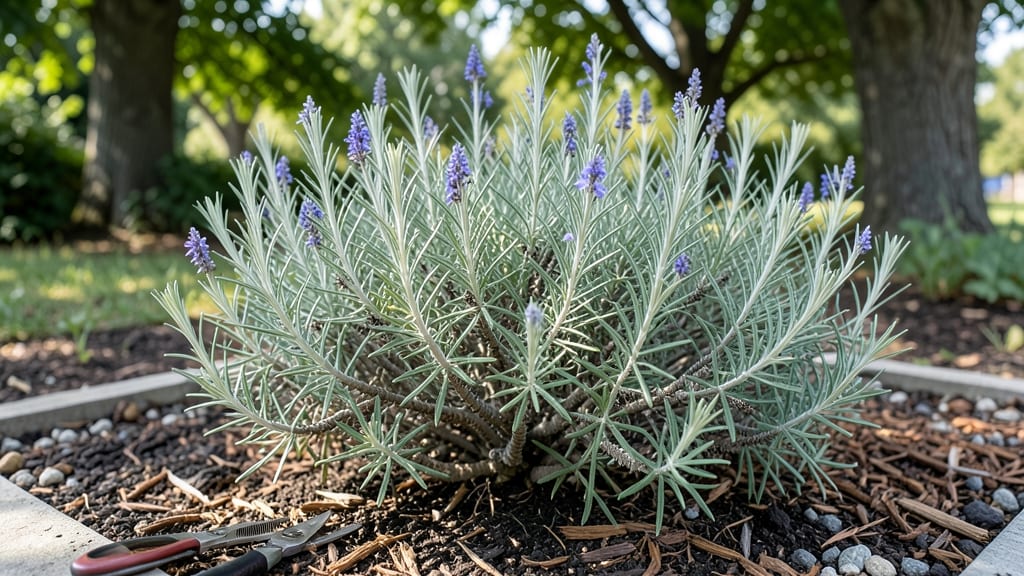
Growing wild rosemary plants turns your sunniest corner into a fragrant, drought-proof powerhouse. 🌿 This Mediterranean native doesn't just survive harsh conditions—it thrives, spreading its pine-scented branches with minimal effort.
My first wild rosemary bush took over a rocky slope in just two years, proving it's the ultimate low-maintenance herb for hot, dry climates. The secret lies in its love for poor soil and scorching sun—it actually prefers these conditions over rich, moist garden beds.
You'll need full sun (at least six hours daily) and well-draining soil, but beyond that, it's nearly foolproof. Even my neglected patches produce fresh sprigs for cooking all summer long, with the added bonus of attracting pollinators.
What you end up with is a plant that doubles as both a culinary staple and a landscape star. The silvery-green foliage stays vibrant through droughts, and the tiny purple flowers add unexpected color to summer borders.
Prune it back hard in early spring, and you'll get bushier growth all season. Perfect for rock gardens, slopes, or even container edges where other plants would struggle. Here's how to get started with this resilient, fragrant workhorse!
📚 In This Guide
- What you need
- Instructions
- Tips and common mistakes
- Wrapping up and next steps
What you need
- ● Wild rosemary seeds or cuttings: Choose organic, non-GMO seeds or healthy cuttings (4–6 inches long) from a trusted source.
- ○ Well-draining soil: A mix of cactus/succulent soil (70%) + perlite or coarse sand (30%) to prevent root rot. Optional: Add a handful of compost for nutrients.
- ● Containers or garden bed: For containers: 5–7 gallon pots with drainage holes (terracotta or fabric grow bags work best).
- ● For in-ground: Full sun spot (6+ hours/day) with sandy or rocky soil (rosemary hates soggy roots!).
- ● Watering can or hose with a gentle nozzle: Rosemary dislikes wet foliage—aim for bottom-watering when possible.
- ● Pruning shears or sharp scissors: For trimming cuttings or shaping mature plants.
- ○ Gloves (optional): Protect your hands from prickly stems or rough soil.
- ○ pH test kit (optional): Ideal soil pH: 6.0–7.0. Wild rosemary tolerates alkaline soils!
- ○ Mulch (optional): Gravel or pebbles (not organic mulch) to retain heat and deter weeds.
- ● Patience: Seeds take 4–6 weeks to germinate; cuttings root in 2–4 weeks.
- ● Drought tolerance: Water only when the top 1–2 inches of soil are dry—overwatering is the #1 killer!
- ● Cold-hardiness note: Wild rosemary thrives in USDA Zones 8–10. In cooler climates, grow in containers and bring indoors in winter.
How to grow wild rosemary that thrives in sun and drought
This hardy herb practically grows itself once you get the basics right.
🌱 Step 1: Choose the Perfect Location for Maximum Sun
Wild rosemary demands full sun exposure—at least 6-8 hours daily. I always pick the sunniest, driest corner of my garden because rosemary despises soggy soil. A south-facing slope or raised bed works best, as it naturally drains excess water.
If your yard has partial shade, plant it where it gets the most sunlight possible—even 4-5 hours will work, but growth will be slower. You'll notice the leaves stay smaller and more compact in full sun, which actually makes the flavor more concentrated. Avoid low spots where water pools after rain.
🪴 Step 2: Plant in Well-Draining Soil with Minimal Fertilizer
Rosemary thrives in poor, sandy, or gravelly soil—the kind that drains water like a sieve. Amend heavy clay soil with coarse sand or perlite to improve drainage. I dig in a handful of garden lime to raise the pH slightly, as rosemary prefers alkaline conditions.
Dig a hole twice as wide as the root ball but only as deep. Gently loosen the roots if they're circling, then backfill with native soil mixed with 1 part sand. Water deeply right after planting to settle the soil, but don't overdo it—rosemary's roots need air almost as much as water.
☀️ Step 3: Water Deeply but Infrequently After Establishment
Once established, wild rosemary is drought-tolerant, but young plants need consistent moisture. Water once a week during the first growing season, aiming for 1-2 inches of water per week. Let the soil dry completely between waterings—you'll know it's time when the top 2-3 inches feel dry to touch.
Overwatering is the #1 killer of rosemary. You'll see yellowing leaves or blackened stems if the roots stay too wet. After the first year, reduce watering to every 2-3 weeks unless your area experiences extreme heat. Mature plants store water in their woody stems, making them incredibly resilient during dry spells.
✂️ Step 4: Prune Strategically to Encourage Bushy Growth
Prune wild rosemary after flowering to maintain shape and encourage new growth. Use clean, sharp shears to trim back one-third of the plant's height in early spring. This prevents legginess and keeps the plant compact. I always cut just above a leaf node where new growth can sprout.
Never prune in fall or winter, as the plant needs its foliage to protect it from cold. You'll notice fresh, vibrant green growth within 2-3 weeks of spring pruning. For harvests, snip individual stems just above a leaf node—this encourages branching and a fuller plant over time.
⏰ Step 5: Protect from Harsh Winters and Frost
Wild rosemary is hardy to USDA Zone 7, but younger plants benefit from winter protection. In colder climates, mulch the base with 2-3 inches of straw or pine needles after the first frost. This insulates roots but doesn't smother the plant. Remove the mulch in early spring before new growth begins.
If temperatures drop below 20°F, cover the plant with a breathable frost cloth secured loosely at the base. Avoid plastic, which traps moisture and causes rot. You'll see new shoots emerge in early spring as temperatures rise above 40°F—this is your signal that the plant survived winter successfully.
Tips & tricks for growing thriving wild rosemary
Here's what nobody tells you about making this resilient herb truly flourish in your garden.
Sunlight Strategy: While the instructions mention 6-8 hours of sun as ideal, I've found that rosemary actually performs best when given a little more flexibility. If your garden gets intense afternoon sun, consider providing afternoon shade during the hottest months (July-August) to prevent leaf scorch. The leaves will stay vibrant green rather than turning yellow or brown at the edges. This is especially important in desert climates where temperatures can exceed 100°F.
Soil Preparation Secret: The instructions mention using coarse sand or perlite, but I always go one step further by adding a handful of crushed granite or small gravel to the planting hole. This creates even better drainage and mimics the rocky Mediterranean soils where rosemary naturally grows. The gravel also helps regulate soil temperature, which rosemary appreciates during hot summer days. Just make sure the gravel doesn't completely fill the hole—leave plenty of room for the roots.
Watering Wisdom: When the instructions say to water once a week during the first year, I've learned to adjust based on your local climate. In humid areas, you might need to water every 10 days, while in arid regions, you could water every 5 days. The key is always checking the top 2-3 inches of soil—if it's bone dry, it's time to water. I use a moisture meter for accuracy, but you can also stick your finger in the soil to test. Remember, rosemary's tough exterior hides a sensitivity to soggy roots.
Winter Protection Hack: For the 20°F temperature threshold mentioned in the instructions, I've found that adding a layer of chicken wire around the base before applying mulch prevents small animals from digging into the protected roots. The wire creates a barrier while still allowing air circulation. And when covering with frost cloth, I always secure it with rocks rather than staples—this makes removal easier in spring and prevents fabric damage. The 40°F emergence point is your cue to start checking for new growth, but don't remove winter protection until you see consistent new shoots appearing.
Pro Tips for Wild Rosemary Plant
- Here's what nobody tells you about making this resilient herb truly flourish in your garden.
- Sunlight Strategy: While the instructions mention 6-8 hours of sun as ideal, I've found that rosemary actually perfor...
- Soil Preparation Secret: The instructions mention using coarse sand or perlite, but I always go one step further by a...
Frequently asked questions
Got questions about growing wild rosemary? You're not alone!
Here are answers to the most common queries—from planting to harvesting—so you can cultivate this hardy herb with confidence.
Can wild rosemary grow in containers, or does it need a garden bed?
Wild rosemary thrives in both! It’s perfect for containers (use a pot at least 12" deep with drainage holes) or garden beds. Just ensure it gets full sun (6+ hours/day) and well-draining soil. Containers let you move it indoors in winter if frost is a concern.
How long does it take for wild rosemary to grow from seed?
Patience is key—wild rosemary seeds can take 4–6 weeks to germinate (or longer in cold soil). Once sprouted, expect 6–12 months to reach full maturity (1–3 feet tall). For faster results, opt for nursery-started plants! (Pro tip: Soak seeds overnight to boost germination.)
Is wild rosemary drought-tolerant, or does it need regular watering?
Absolutely drought-tolerant! Once established, wild rosemary hates soggy soil—water deeply every 2–3 weeks (less in winter). Overwatering causes root rot. Let the soil dry out between waterings, and it’ll reward you with lush, fragrant foliage without fuss.
Can I harvest wild rosemary leaves year-round, or is there a best time?
Harvest anytime, but spring to early summer yields the most flavorful leaves. Prune 1/3 of the plant to encourage bushiness, and avoid cutting back hard in winter (it’s semi-evergreen but sensitive to cold). Never harvest more than 1/3 at once!
Are there pests or diseases I should watch for with wild rosemary?
Wild rosemary is low-maintenance, but watch for:
- Aphids (spray with water or neem oil).
- Root rot (from overwatering—fix with well-draining soil).
- Powdery mildew (improve airflow; avoid wetting leaves).
Can wild rosemary survive winter, or should I dig it up?
It’s hardy to USDA Zones 8–10, but in colder climates (Zones 7 and below), protect it with:
- A thick layer of mulch.
- Moving pots indoors (keep in bright light).
- Pruning back dead growth in spring.
Wrapping up and next steps
Growing a wild rosemary plant is a rewarding journey—this hardy herb thrives in sun, drought, and minimal fuss, making it perfect for both novice and experienced gardeners. 🌿 Whether you’re drawn to its fragrant aroma, culinary uses, or pollinator-friendly blooms, rosemary’s resilience and versatility make it a standout addition to any landscape or kitchen. Ready to take the next step?
Start small: plant a single cutting or grow from seed to test your green thumb, then expand as you gain confidence. Share your rosemary harvest with friends or experiment with new recipes—this herb is a flavor powerhouse! 🍽️ Happy gardening!