
Pests
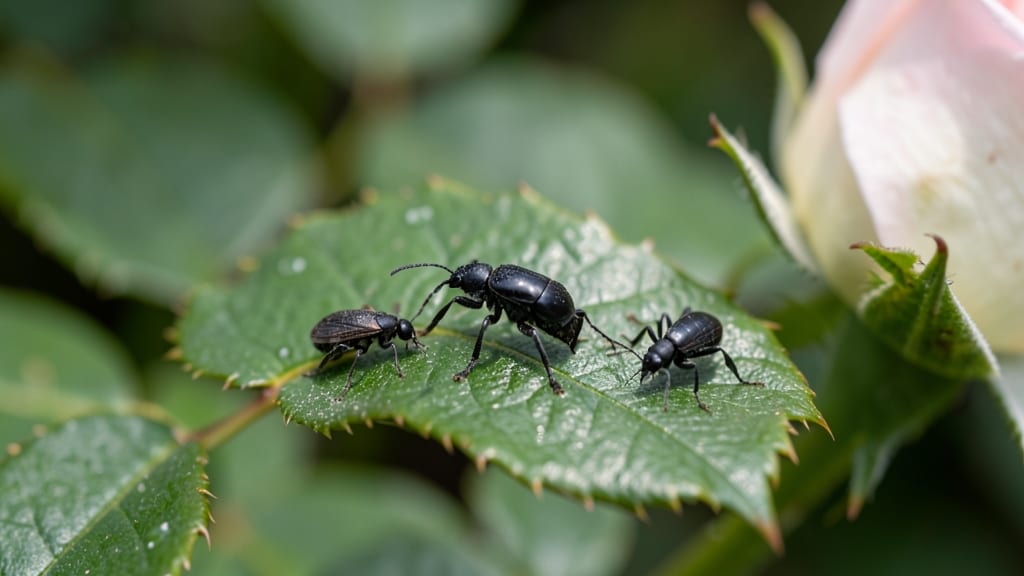
Those tiny black bugs on your roses aren’t just annoying—they’re sucking the life out of your blooms. 🌹 I’ve battled them for years, and I’ve learned which ones are aphids, which are scale, and how to kick them out for good without harsh chemicals.
The damage starts with sticky residue on leaves, then yellowing petals and stunted growth. Most people panic and grab the strongest spray, but that’s overkill. The real fix comes from understanding their lifecycle and hitting them at the right time—like when they’re most vulnerable.
By the end of this guide, you’ll know exactly what you’re dealing with and how to stop them in their tracks. No more wilting roses or black bugs hitching rides on your garden tools. Let’s get those plants thriving again.
First, grab a magnifying glass and inspect the bugs up close. Aphids cluster on new growth, scale look like tiny bumps, and thrips leave behind speckled damage. Once you know your enemy, you can choose the right organic spray—neem oil works wonders, or try insecticidal soap for a gentler approach.
The key is consistency: treat them every 5-7 days until they’re gone. I’ve seen roses bounce back faster than you’d think once those pests are out of the picture. The secret? Catching them early before they take over.
Prevention is where it gets easy. Encourage ladybugs and lacewings—they’re nature’s pest control. Prune regularly to remove hiding spots, and keep your roses healthy with proper watering. A strong plant resists pests better than a stressed one.
If the infestation spreads beyond your control, it’s time to call in the pros. But for most backyard gardens, this method works like a charm. Your roses will be blooming beautifully in no time.
The Root Causes Behind Rose Invaders
If you’ve spotted tiny black bugs on your roses, you’re likely dealing with one of several common garden pests. Understanding why these critters show up is the first step to stopping them in their tracks.
Below, we break down the key factors that attract these unwelcome visitors to your prized roses—and how their behavior ties to your garden’s health.
Roses thrive on space, sunlight, and proper care—but when they’re crowded, nutrient-deficient, or weakened, they become prime targets for pests. Here’s why:
- Weakened defenses: Stressed plants produce less rosemarinolic acid and other natural repellents, making them easier prey for sap-sucking insects like aphids or scale.
- Moisture buildup: Overwatering or poor drainage creates damp conditions, which attract fungal-loving pests (e.g., thrips) and their predators (like ladybug larvae, which may appear black).
- Poor airflow: Dense foliage traps humidity, creating a cozy environment for mites and other pests to multiply.
💡 Pro Tip: Prune roses annually to improve airflow, and avoid over-fertilizing with nitrogen—it promotes soft, pest-friendly growth.
Leaves, mulch, and fallen petals aren’t just unsightly—they’re bug buffets. Tiny black pests like rose slugs (sawfly larvae) or black vine weevils hide in organic debris, laying eggs near your roses. Here’s how it happens:
- Shelter for eggs/larvae: Decaying matter provides moisture and protection, allowing pests to overwinter or reproduce undetected.
- Food source: Decomposing plant material attracts fungal feeders (e.g., fungus gnats), which may bring along black predatory mites.
- Hitchhiking pests: Wind or wildlife can carry eggs from infested debris to healthy roses.
🔥 Action Step: Clear fallen leaves, prunings, and weeds from around rose bushes monthly, especially after storms or heavy blooming.
Soil health directly impacts rose resilience. If your garden’s soil is too alkaline, compacted, or lacking beneficial microbes, pests exploit the imbalance:
| Soil Issue | How It Attracts Pests | Fix It With |
|---|---|---|
| High pH (alkaline soil) | Reduces availability of micronutrients like iron, weakening roses and attracting aphids (which thrive on stressed plants). | Add sulfur or peat moss to lower pH (aim for 6.0–6.5). |
| Compacted soil | Poor drainage leads to root rot, inviting black vine weevils and root-knot nematodes. | Amend with compost and aerate annually. |
| Lack of mycorrhizal fungi | Reduces root strength, making roses vulnerable to scale insects and whiteflies. | Apply mycorrhizal inoculant at planting time. |
🌡️ Soil Test Tip: Use a DIY test kit to check pH and nutrients—balancing soil is the #1 way to deter pests before they arrive.
Roses aren’t just plants—they’re part of a delicate garden ecosystem. When natural predators (like birds, lacewings, or parasitic wasps) are missing, pest populations explode. Here’s how it plays out:
- Pesticide overuse: Broad-spectrum chemicals kill beneficial insects (e.g., ladybugs, ground beetles), leaving roses defenseless against aphids or thrips.
- Lack of diversity: Monoculture gardens (e.g., only roses) offer fewer food sources for predator insects, reducing natural pest control.
- Urbanization: Paved areas and lawns eliminate habitats for wild predators, forcing pests to seek out gardens.
✨ Eco-Friendly Fix: Plant companion flowers like marigolds, dill, or alyssum to attract predatory insects. Avoid neonicotinoids—they’re deadly to pollinators and natural pest controllers.
By addressing these root causes, you’ll not only reduce tiny black bugs on roses but also strengthen your garden’s long-term health. Next, we’ll tackle identification so you can target the exact culprit in your yard.
Fixing Tiny Black Invaders Naturally
Tiny black bugs on your roses can feel like an overwhelming problem, but with the right approach, you can reclaim your garden—without harsh chemicals.
Below are targeted solutions based on the most likely culprits (aphids, scale, thrips, or fungus gnats), along with preventive strategies to keep them away for good.
Before diving into fixes, confirm the pest. Use a magnifying glass or take a close-up photo to compare with the descriptions in the "Why It Happens" section. Misidentifying pests can lead to wasted effort—so accuracy is key!
👨🍳 1. Aphids & Soft-Bodied Pests
Signs: Sticky residue (honeydew), curled leaves, or clusters of tiny black specks. Fix: - Soapy Water Spray 🧼 Mix 1 tbsp mild castile soap or dish soap with 1 quart warm water.
Spray directly on bugs (especially undersides of leaves) until fully coated. Repeat every 3–5 days until gone. - Pro Tip: Add 1 tsp neem oil to boost effectiveness. Shake well before spraying.
- Neem Oil Solution 🌿 Combine 1 tbsp neem oil, 1 tsp horticultural oil, and 1 tsp mild soap in a gallon of water. Spray early morning or late evening (avoid direct sunlight). Reapply every 7–10 days.
- Ladybugs & Lacewings 🐞 Release beneficial insects like ladybugs or lacewing larvae. They eat aphids on contact! Buy from garden centers or order online.
🥘 2. Scale & Mealybugs (Hard-Shelled Pests)
Signs: Black/brown bumps on stems or leaves, white cottony masses. Fix:
- Rubbing Alcohol Wipe 🧴 Dampen a cotton ball with 70% isopropyl alcohol and gently rub off scale clusters. Works best for small infestations on stems.
- Horticultural Oil Smother 🛡️ Use refined horticultural oil (not mineral oil) in a spray bottle. Apply evenly, ensuring full coverage. Repeat every 5–7 days for 2–3 weeks.
- Prune & Destroy ⏰ Cut off heavily infested branches and dispose of them in sealed bags (not compost). Sterilize pruners with rubbing alcohol between cuts.
🔪 3. Thrips (Fast-Moving Black Specks)
Signs: Silver streaks on leaves, tiny black frass (poop), or distorted buds. Fix:
- Blue Sticky Traps 🎯 Place blue sticky cards near roses to catch adult thrips. Check traps daily and replace as needed.
- Diatomaceous Earth (DE) Barrier 🏗️ Lightly dust food-grade DE around the base of plants and on soil. It dehydrates thrips on contact. Reapply after rain.
- Kaolin Clay Spray 🌡️ Mix 2 tbsp Surround WP (kaolin clay) with water and spray every 7–10 days. Creates a protective film that repels thrips.
✨ 4. Fungus Gnats (Soil-Dwelling Nuisances)
Signs: Tiny black flies hovering near soil, wilting seedlings, or larvae in moist potting mix. Fix:
- Yellow Sticky Traps 🐝 Insert yellow sticky traps into the soil to catch adults. Replace every 3–5 days.
- Dry Sand or Coconut Coir 🏖️ Let the top 1–2 inches of soil dry out between waterings. Fungus gnats thrive in wet conditions.
- Beneficial Nematodes 🐛 Apply Steinernema feltiae nematodes to the soil. These microscopic worms seek out and kill larvae within days.
Once you’ve eliminated the infestation, lock it out with these habits:
- 🌿 Healthy Soil = Strong Roses
- Amend soil with compost and mycorrhizal fungi to boost plant resilience.
- Avoid over-fertilizing with nitrogen—it attracts soft-bodied pests.
- 💦 Water Wisely
- Water at the base (not overhead) to prevent fungal diseases and fungus gnat larvae.
- Early morning watering lets foliage dry quickly, reducing pest attraction.
- 🍃 Regular Inspections Check undersides of leaves, buds, and stems weekly. Early detection = easier fixes!
- 🌱 Companion Planting Plant garlic, chives, or marigolds near roses—their scents repel many pests.
- 🧹 Clean Up Debris Remove fallen leaves, petals, and mulch where pests hide. Rake up leaf litter regularly.
Final Note: Patience is key—some treatments take 2–4 weeks to fully work. If bugs persist after 3 weeks, reassess identification or consult a local master gardener for tailored advice. With consistency, your roses will thrive pest-free! 🌹
Frequently asked questions
Are those tiny black bugs on my roses harmful to humans?
Most tiny black bugs found on roses—like aphids, thrips, or fungus gnats—are harmless to humans. They don’t bite or spread diseases to people, but some (like scale insects) can leave a sticky residue that might irritate sensitive skin. Focus on protecting your plants, not yourself!
Why do I see more black bugs in the morning?
Many tiny black pests, such as thrips or aphids, are most active during cooler morning hours when humidity is high. They seek shelter in foliage during the day and become visible as dew evaporates. This is also the best time to spot them for treatment—spray early before they retreat!
Can I use vinegar spray to kill these bugs?
While vinegar can kill some soft-bodied pests like aphids on contact, it’s not the most effective long-term solution. Vinegar’s acidity can damage plant leaves and won’t reach hidden pests. Instead, use neem oil or insecticidal soap for safer, targeted control that won’t harm your roses.
How do I know if my roses are recovering from an infestation?
Watch for new growth, vibrant green leaves, and fewer sticky residues (honeydew) on foliage. Healthy roses will show fresh buds and reduced pest activity within 2–4 weeks of consistent treatment. If you still see black specks after 3 weeks, reassess your approach or consult a local expert.
Will pet dogs or cats get sick from these bugs?
No, tiny black bugs on roses pose no direct threat to pets. While some pests might hitch a ride on fur, they can’t survive long-term on animals. However, avoid using chemical sprays near pets—opt for organic solutions like neem oil or diatomaceous earth for safety.