
Tools
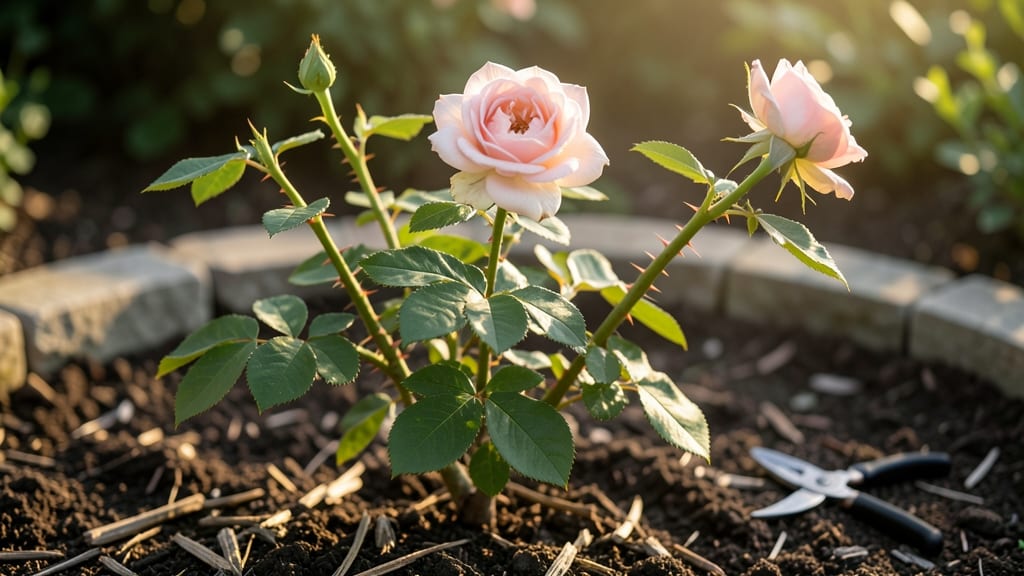
Your garden could look like a scene straight out of Alice in Wonderland—where roses climb like vines down the rabbit hole and pastel blooms whisper fairy-tale secrets. 🌹 This isn’t just a rose garden; it’s a portal to a whimsical world where every petal feels like a page from a storybook.
The key? Choosing roses that embody Wonderland’s magic—think 'Alice’s Wonderland' climbers with blush-pink blooms or 'Fairy Tale' roses in dreamy lavender, paired with playful paths that invite you to follow the white rabbit’s lead.
Start with a chessboard-inspired layout—use gravel or stepping stones to create a giant checkerboard where the roses spill over the edges like a living border. Add a Mad Hatter’s tea party nook with mismatched teacups as planters and a table draped in lace.
For height, plant giant sunflowers near the "Queen’s height" focal point, while blue delphiniums mimic the sky Alice fell through. The roses themselves should climb trellises shaped like ladders or rabbit holes, with vines cascading like waterfalls.
Whimsy comes alive with decorative touches—oversized playing cards as stepping stones, a "Drink Me" potion bottle as a planter for trailing roses, or a Cheshire Cat’s disappearing path lined with white roses that fade into the landscape.
Even the scent matters: 'Queen Elizabeth' roses add grandeur, while 'Fairy Tale' roses bring soft, romantic fragrance. The goal? A garden that feels like stepping into a story where every bloom has a tale to tell.
This design works in any sunny spot, from a backyard to a balcony—just scale the elements. The magic is in the details: a quoting stone with Alice’s famous lines, a teacup fountain, or a rabbit hole entrance made of lattice.
Let your garden become the wonderland you’ve always dreamed of wandering through. The roses will do the rest.
📚 In This Guide
- What you need
- Instructions
- Tips and common mistakes
- Wrapping up and next steps
What you need
- ● Rose Varieties: 1-3 Climbing Roses (e.g., 'Blaze,' 'New Dawn,' or 'Zephirine Drouhin' for a Wonderland touch)
- ○ Optional: 2-4 Bush Roses (e.g., 'Pink Parfait' or 'Julia Child' for layered color)
- ● Soil: 50 lbs Well-draining potting mix (or garden soil amended with compost)
- ● 10 lbs Organic rose fertilizer (balanced NPK, 10-10-10 or similar)
- ● Support Structures: 1-2 Arbors, trellises, or obelisks (6-8 ft tall for climbing roses)
- ○ Optional: Decorative ironwork (for a vintage Wonderland vibe)
- ● 1 Garden trowel (for planting)
- ● 1 Pruning shears (sharp, sterilized)
- ● 1 Garden hose with spray nozzle (or watering can)
- ○ 1 Soil pH tester (optional but helpful for roses)
- ● 1 Mulch (3-4 inches of wood chips or straw)
- ● Companion plants: 3-5 lavender, foxgloves, or pansies (for a cottage-garden feel)
- ● Decorative accents: Miniature chess pieces, teacups, or whimsical signs (for theme immersion!)
- ● Slow-release fertilizer spikes (for low-maintenance nourishment)
How to create your own Alice in Wonderland-inspired rose garden
This dreamy pink rose climber brings storybook charm to any garden—here’s how to grow it with confidence.
🪴 Step 1: Choose the Perfect Planting Location
Select a spot with full sun exposure (6-8 hours daily)—this rose thrives when bathed in morning sunlight. Avoid areas with harsh afternoon sun in hot climates, where leaves can scorch. I always test the site for at least a week before planting, watching how the light shifts throughout the day.
Ensure the location has 6 feet of vertical space for climbing, whether against a trellis, fence, or pergola. The "Alice in Wonderland" rose grows 4-6 feet tall with a similar spread, so plan for a sturdy support that won’t bend under its weight. A north-facing wall provides afternoon shade in summer, protecting delicate blooms.
🌱 Step 2: Prepare the Soil for Optimal Growth
Amend the soil with 3-4 inches of compost mixed into the top 12 inches of earth. This rose prefers well-draining, slightly acidic soil (pH 6.0-6.5). I dig a hole twice as wide as the root ball but only as deep—planting too deep suffocates the graft union and weakens the plant.
Work in 1 cup of bone meal at planting time for phosphorus, which encourages strong root development. Avoid fresh manure—it can burn tender roots. Test the soil moisture by squeezing a handful; it should hold together but not feel soggy. If drainage is poor, add 1 part perlite to 3 parts soil in the planting hole.
☀️ Step 3: Plant and Stake for Support
Place the rose in the hole so the graft union sits 2-3 inches below soil level. Backfill with native soil, tamping gently to remove air pockets. Water deeply to settle the roots, then add 2 inches of mulch around the base, keeping it 6 inches away from the stem to prevent rot.
Install a 5-foot wooden stake immediately beside the plant, securing it with soft ties. This rose’s vines grow vigorously, and proper support prevents broken stems. I use fabric plant ties that won’t cut into the bark as the vine thickens. Prune any damaged stems back to a healthy bud, and remove any suckers that sprout below the graft union—they sap energy from the desired blooms.
💧 Step 4: Water and Fertilize for Lush Blooms
Water deeply 2-3 times per week during the first growing season, aiming for 1-1.5 gallons per watering. Let the top 2 inches of soil dry out between waterings—this prevents root rot while encouraging deep root growth. After the first year, reduce to 1 inch of water per week, including rainfall.
Fertilize every 4-6 weeks during the growing season with a balanced rose fertilizer (10-10-10). I switch to a low-nitrogen, high-phosphorus formula (5-10-5) in late summer to promote fall blooming. Stop fertilizing after 6 weeks before the first frost—new growth won’t harden off properly.
✂️ Step 5: Prune and Train for a Whimsical Shape
Prune in early spring before new growth appears, cutting back 1/3 of the previous year’s growth to encourage bushier blooms. Remove any dead, diseased, or crossing branches first—they compete with healthy growth. I always sterilize my pruners with rubbing alcohol between cuts to prevent spreading disease.
Train vines along the trellis by tying them with soft twine every 12-18 inches as they grow. This rose blooms on new wood, so prune after flowering to shape the plant. For a storybook look, weave some vines in loose spirals or let them cascade naturally. Deadhead spent blooms regularly—this redirects energy to new flowers and keeps the garden looking magical year-round.
Tips & tricks for perfect Alice in Wonderland-inspired rose climbers
Transforming your garden into a storybook haven starts with these essential tips for cultivating the perfect whimsical rose.
Lighting Strategy: The 6-8 hours of full sun requirement is non-negotiable for this rose, but timing matters just as much as duration. I've found that morning sun (6 AM-12 PM) provides the ideal balance—it warms the plant gently without scorching in hot afternoons. In summer, a north-facing wall can provide that afternoon shade while still allowing morning sunlight to nourish the plant. Think of it as creating a microclimate that mimics the gentle conditions of a storybook garden.
Soil Preparation: The 3-4 inches of compost mixed into the top 12 inches of soil creates the perfect foundation, but don't stop there. I've learned that adding a handful of worm castings to the planting hole provides additional beneficial microbes that help the rose establish itself faster. The slightly acidic pH (6.0-6.5) is crucial—you can test your soil with a simple home kit before planting to ensure you're meeting this requirement. This attention to soil preparation makes all the difference in the long-term health of your climber.
Support System: That 5-foot wooden stake isn't just for show—it's essential for guiding the vigorous growth of this rose variety. I recommend installing the stake at the same time you plant, before the vine gets too heavy. Use soft fabric ties that you can easily adjust as the vine thickens, rather than wire or plastic that can cut into the bark. This gentle support system allows the rose to grow naturally while preventing stem damage that could compromise its whimsical appearance.
Pruning Technique: When pruning in early spring, focus on removing 1/3 of last year's growth while maintaining an open center. I've found that making cuts just above an outward-facing bud encourages bushier growth and better air circulation. For training the vines, use soft twine to gently guide them along the trellis every 12-18 inches. This creates that storybook cascading effect while preventing the vines from becoming tangled. Remember, the goal is to encourage natural growth patterns that create a magical, fairy-tale appearance.
Pro Tips for Alice In Wonderland Rose Garden
- Transforming your garden into a storybook haven starts with these essential tips for cultivating the perfect whimsical rose.
- Lighting Strategy: The 6-8 hours of full sun requirement is non-negotiable for this rose, but timing matters just as much as duration.
- Soil Preparation: The 3-4 inches of compost mixed into the top 12 inches of soil creates the perfect foundation, but don't stop there.
Frequently asked questions
about the Alice in Wonderland rose garden—your go-to spot for whimsical charm and timeless pink beauty!What’s the best time of year to plant Alice in Wonderland roses?
Plant these climbers in early spring (after the last frost) or early fall (6–8 weeks before frost). This gives roots time to establish before extreme temperatures. Avoid summer planting—heat stress can stunt growth!
How much sun does this rose need daily?
Alice in Wonderland thrives in full sun (6–8 hours/day), but it tolerates partial shade (4–6 hours) in hot climates. Too little light? Expect fewer blooms and leggy stems. A south- or west-facing wall is ideal for climbing support!
When and how should I prune these roses?
Prune in late winter or early spring (before new growth). Cut back 1/3 of the stems to encourage bushiness, and remove dead/diseased wood. For climbing roses, shape branches to guide them along trellises or arbors. Pro tip: Sterilize shears with rubbing alcohol to prevent disease!
Are Alice in Wonderland roses pest- or disease-resistant?
These roses are moderately resistant to common issues like black spot and powdery mildew, thanks to their hybrid tea heritage. Still, watch for aphids or spider mites—spray with neem oil if needed. Ensure good airflow and avoid overhead watering to deter fungal problems.
Can I grow this rose in containers? If so, what size pot?
Yes! Use a large container (at least 15–20 gallons) with drainage holes and well-draining soil. Climbing varieties may need a cage or trellis for support. Repot every 2–3 years and fertilize monthly during growing season for best results.
Wrapping up and next steps
The Alice in Wonderland Rose Garden isn’t just a whimsical dream—it’s a living tribute to timeless magic and romance. With its delicate pink blooms and enchanting charm, this climber transforms any space into a storybook escape.
Whether you’re a gardener or a dreamer, its low-maintenance beauty makes it the perfect addition to your outdoor haven.
Ready to bring a touch of Wonderland to your garden? Start small—plant a single vine, or go all out with a full climbing display. The choice is yours, but the magic? That’s guaranteed. 🌹✨