
Shrubs
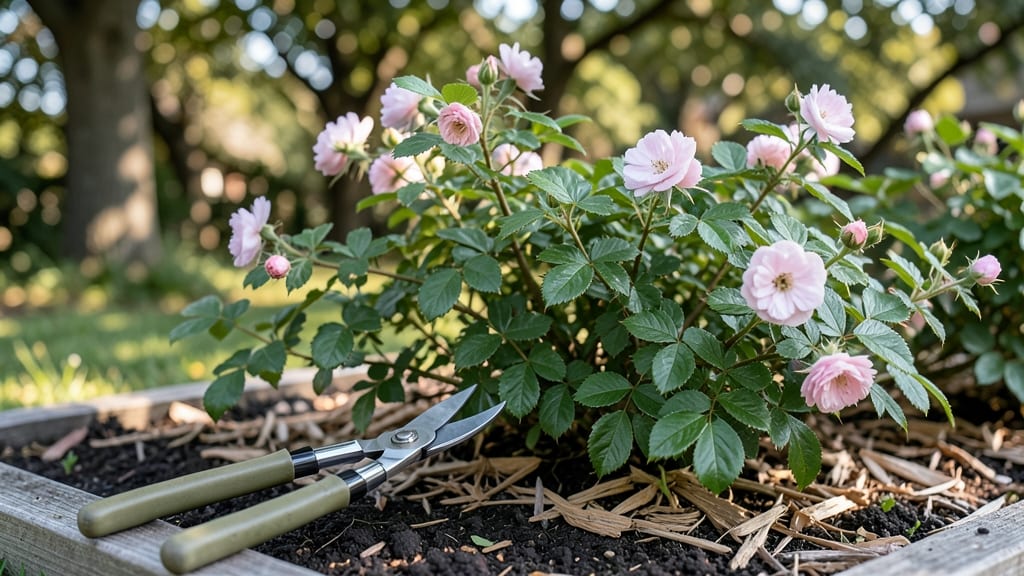
If you're allergic to rose thorns, you may experience skin irritation, itching, redness, or swelling at contact points, often triggered by rose oils or sap. These reactions typically develop within minutes to hours after exposure.
Rose thorn allergies usually stem from two main triggers: the physical puncture wounds and the plant's natural compounds. 🌹 The oils found in rose petals—like geraniol and citronellol—can provoke allergic reactions in sensitive individuals, even without direct thorn contact.
I've seen cases where simply brushing against rose bushes caused hives or eczema flare-ups, proving how potent these allergens can be. For gardeners, this means wearing gloves and long sleeves isn't just about avoiding pricks—it's about preventing chemical exposure too.
Interestingly, some rose varieties produce fewer thorns or milder allergens. For example, the 'Knock Out' series is bred to be low-thorn and often better tolerated by sensitive skin. That said, even thornless roses can contain allergenic oils, so testing with small patches of skin first is always wise.
The key is balancing beauty with safety—many gardeners opt for lavender bushes or hibiscus as alternatives that offer similar visual appeal without the same allergic risks.
💡 In This Article
- How Rose Thorn Allergies Trigger Skin Reactions
- Thornless Rose Varieties for Allergy-Prone Gardeners
How rose thorn allergies trigger skin reactions
The allergic response to rose thorns starts with your immune system mistaking rose compounds for harmful invaders. When thorns puncture your skin or oils like geraniol and citronellol make contact, your body releases histamine—the same chemical that triggers sneezing or hives.
This immediate reaction causes itching, redness, and swelling within 15-30 minutes, often worse around puncture wounds where bacteria can also enter.
What makes roses particularly problematic is their dual threat: physical injury from thorns and chemical irritation from plant oils.
The thorns themselves contain microscopic proteins that act as allergens, while the rose's aromatic compounds can linger on skin or clothing for hours. 🌹 For example, a gardener handling roses might develop a localized rash even without visible thorn punctures, thanks to these volatile oils.
This explains why some people react to rose-scented products like lotions or candles, even if they tolerate fresh roses.
The severity varies widely—some experience mild redness, while others develop eczema-like reactions or even angioedema (deep tissue swelling). Cross-reactivity is another factor: if you're allergic to roses, you might also react to related plants like citrus fruits, lavender, or geraniums, as they share similar compounds.
This is why allergy testing often recommends patch tests with multiple plant extracts.
Delayed hypersensitivity can also occur 24-48 hours after exposure, where the skin becomes inflamed as your immune system mounts a delayed response. This is why some gardeners notice reactions only after a day of working with roses.
The good news? These delayed reactions are usually less severe than immediate histamine responses but can still be uncomfortable.
Understanding these mechanisms helps explain why some rose varieties cause fewer problems. For instance, hybrid teas often have higher concentrations of allergenic oils compared to shrub roses, which may explain why gardeners with mild allergies can tolerate certain types better.
The key is recognizing that both physical and chemical exposure play roles in allergic reactions.
If you suspect a rose allergy, dermatologists recommend avoiding direct contact and using barrier creams like zinc oxide when handling roses. For severe cases, antihistamines or topical steroids can provide relief, but prevention—through thornless varieties or protective gear—remains the best strategy.