
Light Requirements
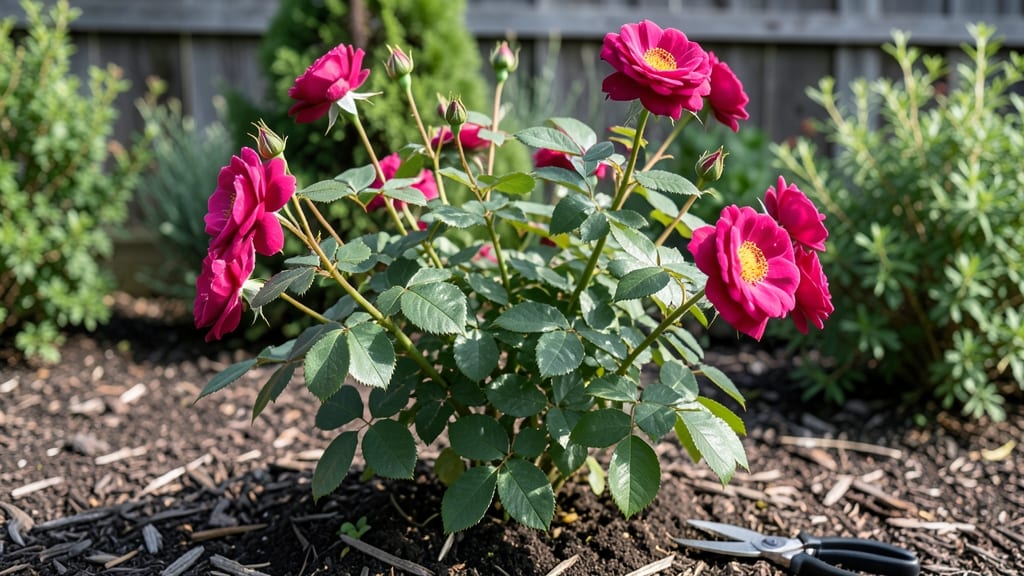
Do rose bushes need a lot of sunlight, or will they thrive with just a few hours daily—because many gardeners overdo it, thinking more light is always better? 🌹 Struggling to keep your roses blooming? You might be giving them too much sun—or not enough.
The sweet spot varies by variety, and pushing them beyond their comfort zone can actually stunt growth or scorch leaves. Let’s break down the exact sunlight needs for hybrid teas, climbers, and shrubs so you can adjust your garden setup with confidence.
Most roses love full sun, but some—like heirlooms and certain climbers—do better with partial shade in hot climates.
I’ll show you how to spot the signs of sun stress (think yellowing leaves or weak stems) and tweak your care routine to keep your bushes happy, whether you’re in a sunny zone or a shadier corner of the garden.
Ready to unlock vibrant blooms year after year? By the end, you’ll know how to position your roses for peak sunlight, supplement light in low-sun spots, and even work with your local climate. No more guesswork—just thriving, beautiful roses.


How much sunlight do rose bushes Really Need by Variety?
Roses are often called the "queens of the garden," but their sunlight needs can vary dramatically by variety. While most roses crave full sun exposure, some thrive in partial shade—especially in hot climates. The key is matching your rose variety to your garden’s natural light conditions.
For example, hybrid teas demand at least 6-8 hours of direct sunlight daily, while heirloom roses like 'Blush Noisette' can tolerate 4-6 hours in cooler regions.
Before you assume your roses need all-day sun, consider your local climate. In USDA Zones 7-9, afternoon shade protects blooms from scorching, while northern climates (Zones 3-6) benefit from extended sun to ripen canes.
Even climbing roses, which need vertical support, adjust their sunlight needs based on whether they’re trained on a south-facing wall or a shady trellis.
The sunlight spectrum for roses isn’t just about hours—it’s about light intensity. Morning sun (6 AM–12 PM) is gentler and helps prevent leaf scorch, while afternoon sun (12 PM–6 PM) can be intense, especially in arid climates.
Balancing both is ideal for most varieties, but floribundas and grandifloras often prioritize morning light to fuel their prolific blooming.
If you’re in a low-light garden, focus on light-colored roses like 'Iceberg' or 'White Peace'—they reflect excess heat better than dark varieties. For shady spots, prioritize shrub roses or heirlooms, which handle 3–4 hours of sun without stress.
Even in partial shade, ensure your roses get at least 4 hours of direct light to prevent weak stems and sparse blooming.
Pro tip: Use a sunlight meter or observe your garden’s light patterns. If your roses are in a north-facing spot, supplement with a reflective surface (like white gravel) to bounce extra light onto the canes.
In urban gardens, tall buildings can block sunlight—consider dwarf varieties or container growing near south-facing walls for better exposure.
Regional tweaks matter! In desert climates (Zones 9-11), afternoon shade is critical to prevent leaf burn, while Pacific Northwest gardens (Zones 7-8) can push roses to 8+ hours of sun for bigger blooms.
Always monitor your roses’ foliage color: yellowing leaves signal too much shade, while crispy edges mean too much sun.
For new gardeners, start with floribundas or shrub roses—they’re the most forgiving with sunlight. If your hybrid tea isn’t blooming, check its light exposure first. A simple fix like moving it 2 feet closer to the sun can double your flower production in just one season.
Remember, roses are resilient! Even if your garden doesn’t have perfect sunlight, adjusting care—like pruning for airflow or watering deeply in shade—can help them thrive. The right variety in the right light makes all the difference. 🌹
Signs your roses aren’t getting enough (or too much) sunlight
Your rose bushes might be sending you signals about their sunlight struggles—and ignoring them can mean fewer blooms or even plant stress. Too little sun leads to weak stems and sparse flowers, while excessive sunlight causes crispy leaves and faded petals.
Learning to read these clues helps you adjust their placement before damage sets in.
Start by checking your roses' leaves and stems. Pale green or yellowing leaves often mean insufficient light, while brown, crispy edges or bleached spots signal sunburn. Even the flower quality changes—small, weak blooms or buds that fail to open are classic signs of sunlight imbalance.
Here’s how to diagnose and fix the issue quickly:
⚖️ Sunlight Balance for Roses
✅ DO: Provide 6+ hours of sun
- Hybrid teas and floribundas thrive in full sun
- Move potted roses to sunnier spots in spring/summer
- Use reflective mulch to boost light in shady areas
❌ DON’T: Let them bake in intense afternoon sun
- Avoid south-facing walls in hot climates (use lattice screens)
- Skip drip irrigation during peak heat to prevent leaf scorch
- Don’t prune heavily in summer—it stresses sun-exposed roses
For underlit roses, try relocating them to a sunnier garden bed or prune nearby trees/shrubs blocking light. If your roses are overheating, provide afternoon shade with a lightweight shade cloth (30-50% coverage) or plant tall sun-loving companions like lavender or salvia nearby to break harsh rays.
Watch for new growth patterns after adjustments. Healthy roses should show darker green leaves, stronger stems, and more frequent blooms within 4-6 weeks. If problems persist, test your garden’s microclimate—some spots may need temporary shade even in full-sun zones.
Remember, morning sun is gentler than afternoon heat, so position roses to catch eastern sunlight first. With the right balance, your roses will reward you with vibrant blooms all season long. 🌹