
Pests
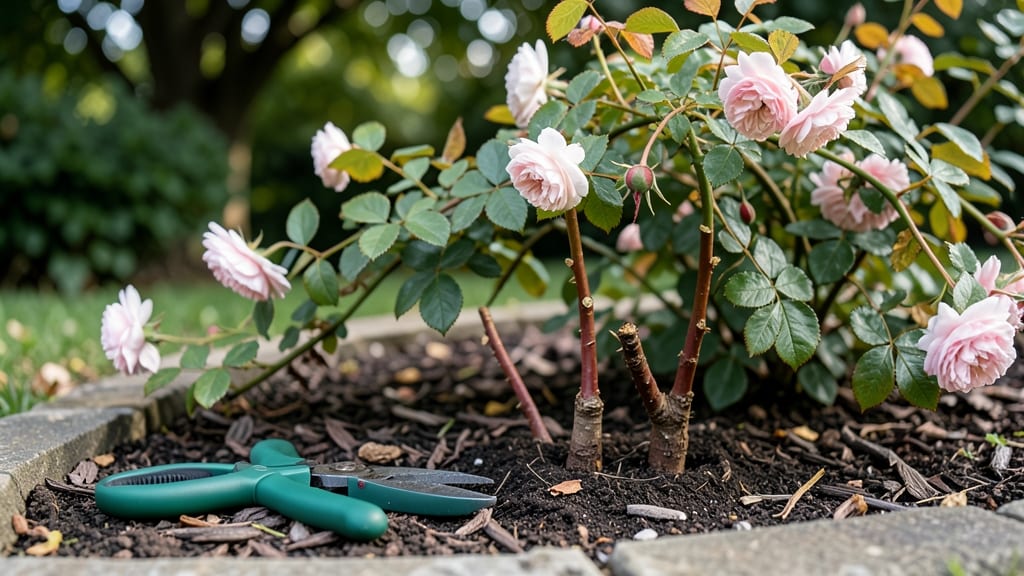
Climbing roses aren't inherently invasive, but they can become problematic if their root systems aren't managed properly. Many varieties produce aggressive root suckers that spread into neighboring yards, especially in moist, fertile soil.
While climbing roses won't behave like true invasive species, their root suckers can create major headaches if they're not controlled. 🌱 The spread depends heavily on the variety—ramblers, for example, tend to be more aggressive than standard climbers.
I've seen cases where a single plant sent out runners over 10 feet in just one growing season, especially in regions with mild winters and rich soil. The key to preventing this is consistent pruning and monitoring, particularly in the first few years after planting.
What makes this tricky is that many homeowners don't realize the full extent of the problem until it's too late. Some cities even have regulations about removing established climbing roses from shared property lines, so it's worth checking local ordinances before taking action.
A well-placed root barrier can work wonders, but you'll need to install it deep enough—at least 2 feet below the soil surface—to truly contain the spread.
💡 In This Article
- How Climbing Roses Spread and Invade Gardens
- Controlling Climbing Roses: Pruning and Barrier Strategies
How climbing roses spread and invade gardens
The spread of climbing roses begins with their root system, which produces suckers—underground stems that grow horizontally and send up new shoots. These suckers can extend 6-12 feet from the parent plant, creating dense clusters that compete with nearby vegetation.
The process starts when the root system detects moisture and nutrients in the soil, triggering growth hormones that encourage sucker formation. In ideal conditions—warm temperatures (70-80°F) and moist soil—these suckers can emerge within 4-6 weeks of planting.
Not all climbing roses behave the same way. Ramblers, like 'New Dawn' or 'Rambling Rector,' are notorious for their aggressive spread, often producing 20+ canes that sprawl across fences and trees.
These varieties can send out suckers 15-20 feet away from the main plant, while standard climbers like 'New Zealand' or 'Blaze' tend to be more controlled, with suckers limited to 5-10 feet.
The difference lies in their genetic makeup—ramblers are bred for wild, untamed growth, whereas climbers are cultivated for structured climbing patterns.
Environmental factors play a huge role in how fast these roses spread. Excessive moisture—whether from rain or irrigation—stimulates root growth, while fertile soil rich in organic matter provides the nutrients needed for rapid sucker development.
In regions with mild winters, like USDA Zones 7-9, climbing roses can grow almost year-round, accelerating their spread. I've seen cases where a single plant in a well-watered garden produced enough suckers to cover a 50-square-foot area in just two seasons.
Another critical factor is the planting method. Bare-root roses, which are often cheaper and easier to plant, tend to produce more suckers than grafted varieties because their root systems aren't constrained by the grafting process.
Grafted roses, like those sold with a bud union, can be less aggressive if the graft remains intact, but even these can send out suckers if the top growth is damaged or removed.
The key is to monitor the base of the plant regularly and remove any emerging suckers before they establish roots.
What most gardeners don't realize is how these suckers can undermine fences, sidewalks, and even foundations as they grow. The root systems can penetrate 1-2 feet deep into the soil, lifting pavement or cracking concrete over time.
This is why many landscapers recommend installing root barriers—made of metal, plastic, or even thick cardboard—during planting to create a physical barrier that prevents horizontal growth.
If you're dealing with an established climbing rose that's already spreading, the best time to act is in early spring, before new growth begins. This is when the plant's energy is focused on sending out suckers, making them easier to spot and remove.
Use a sharp spade to cut suckers at least 6 inches below the soil surface to prevent regrowth, and always wear gloves—rose canes are covered in tiny thorns that can draw blood and introduce bacteria.