
Planting
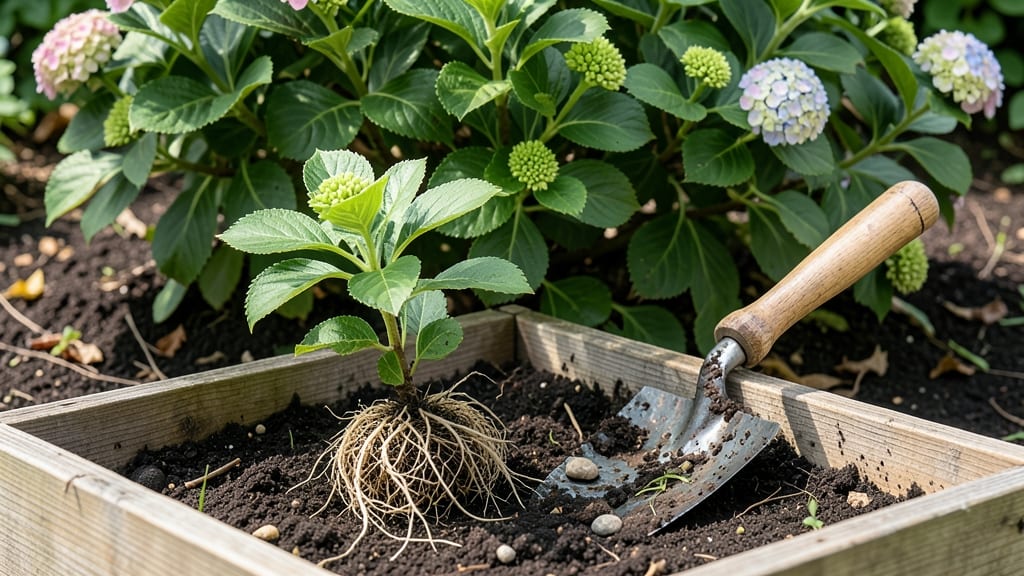
The best time to plant a Rose of Sharon 🌸 is early spring or early fall — when soil temperatures hover between 50°F and 70°F for optimal root growth.
Struggling to decide when to plant your Rose of Sharon for vibrant blooms all summer? Timing is everything—plant too early and risk frost damage, too late and miss peak growth. Here’s the zone-by-zone guide to ensure your shrub thrives from the first spring planting.
In USDA Zone 6a, where most gardeners live, early spring (March–April) is ideal, but fall (September–October) works too—especially if you mulch well. Warmer zones (7+) can plant even later, while colder ones (5 and below) should wait until after the last frost.
Below, I’ll break down the exact months for your hardiness zone, soil prep secrets, and how to tell if you’ve planted at the wrong time—plus a few pro tips to get those showstopping blooms next year.

USDA planting Zones & exact months for Rose of Sharon success
Timing your Rose of Sharon planting by USDA hardiness zones ensures strong root establishment before summer heat or winter frost. This hardy shrub thrives when planted during its optimal window, but the exact months vary dramatically from Zone 3 to Zone 10.
In colder climates, early spring planting gives roots time to harden off before winter, while warmer zones benefit from fall planting to avoid summer stress.
For Zones 3-5, where winters are harsh, focus on planting after the last frost date but before June 1st—this gives roots 6-8 weeks to establish before dormancy.
Meanwhile, Zones 6-10 can plant in both early spring (March-April) and early fall (September-October), with fall often yielding bigger blooms the following year. Let’s break down the exact months for each zone to avoid common mistakes like frost damage or heat stress.
In Zones 3-4, where winters are brutal, I always prioritize late spring planting—typically after April 15th—to ensure roots don’t freeze before establishing. The soil temperature is critical here; wait until it reaches 50°F (10°C) at a depth of 6 inches.
A soil thermometer is your best friend for this! For Zones 5-6, both spring and fall work, but fall planting often leads to healthier shrubs the following year because roots grow slowly in cooler temps, reducing transplant shock.
Warmer climates like Zones 7-10 offer more flexibility, but timing still matters. In Zone 7, for example, planting in March gives your Rose of Sharon a head start, while September planting lets it establish before winter.
In Zones 9-10, where frost is rare, you can even plant in winter months (January-February), but avoid peak summer heat—transplanting in 80°F+ (27°C+) temperatures stresses the shrub. Always water deeply after planting to reduce shock.
One common mistake I see is planting too early in Zone 5 or colder. If you plant in March and a late frost hits, new growth can die back.
To avoid this, check your local last frost date (use the USDA Plant Hardiness Zone Map) and add 2-3 weeks of buffer time. For example, if your last frost is April 10th, wait until April 25th to plant.
This extra time ensures your Rose of Sharon isn’t caught off guard.
For fall planting in Zones 6-10, aim to plant 6-8 weeks before the first frost. This gives roots time to establish before dormancy. In Zone 8, for instance, planting in early September (with a first frost around November 15th) is ideal.
The key is to avoid planting too close to winter—roots need time to harden off. Always mulch 3-4 inches deep after fall planting to insulate roots during cold snaps.
If you’re in a transition zone (e.g., Zone 6b), err on the side of later planting. These zones experience unpredictable frosts, and a Rose of Sharon planted too early may suffer.
For example, in Zone 6b, I’d recommend planting in late April or early September rather than March or October. The soil temperature is your best guide—use a soil thermometer to confirm it’s above 55°F (13°C) before planting.
Pro tip: If you miss the ideal window, don’t
Signs you’re planting at the wrong time (and how to fix it)
Even experienced gardeners sometimes plant their Rose of Sharon at the wrong time, leading to stunted growth or poor blooms. One of the biggest red flags is yellowing leaves within weeks of planting—this often signals root rot from cold, soggy soil.
Another warning sign is slow or no new growth after 4-6 weeks, which may mean you planted too late in the season.
If your soil temperature is below 50°F (10°C) when planting, roots struggle to establish. Use a soil thermometer to check—ideal temps are between 50-70°F (10-21°C). In Zones 3-5, wait until after the last frost date (typically mid-April) to avoid frost damage to tender roots.
⚠️ WARNING: Common Planting Mistakes
- Planting too early: Cold soil (<40°F) causes root rot in Rose of Sharon.
- Planting too late: Summer heat stress (90°F+) weakens roots before winter.
- Ignoring soil prep: Heavy clay soil without amendments leads to poor drainage.
Fix it: Amend soil with compost, mulch heavily, and water deeply after planting.
For delayed planting, focus on root recovery. If you missed the spring window, opt for fall planting (September-October) in Zones 6-10. Before planting, soak the roots in water + mycorrhizal fungi for 1-2 hours to boost establishment.
In Zones 3-5, protect young plants with burlap wraps if frost threatens.
Watch for wilting or curled leaves—this often means your Rose of Sharon is underwatered or overwatered. Adjust your schedule: water deeply once a week in spring/fall, but every 5-7 days in peak summer heat. Always water at soil level, not overhead, to prevent fungal diseases.
If your plant shows brown leaf edges or stunted stems, it may be nutrient-deficient. Apply a balanced fertilizer (10-10-10) lightly in early spring to encourage new growth. Avoid fertilizing in late summer or fall, as this promotes tender growth vulnerable to frost.
Remember, the best time to plant Rose of Sharon is early spring or early fall when soil is warm but air temps are mild. With the right timing and care, your shrub will reward you with vibrant blooms from mid-summer to fall! 🌸