
Pruning
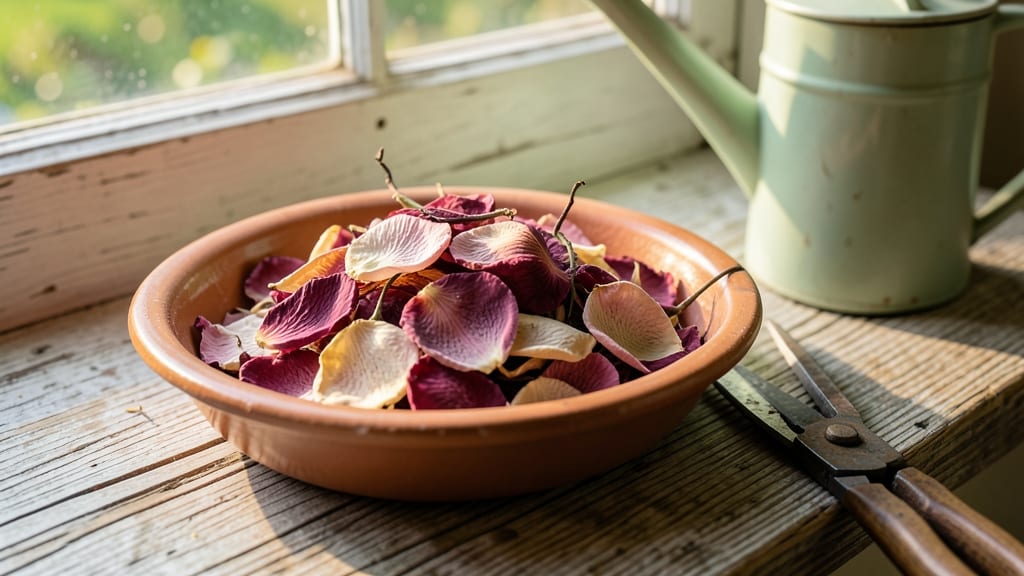
The best way to dry roses depends on your goal—whether you crave rustic charm or fragrant keepsakes—so I’ve tested every method to help you choose. 🌹 it's fragrant potpourri or delicate paper-like petals.
The simplest method, air drying, requires just a few supplies: fresh roses, scissors, and a dark, dry spot. For a more polished look, silica gel or glycerin preserves color and scent better, though they take more effort.
My favorite? The air-drying method for its ease—just hang stems upside down in a paper bag for 1-2 weeks until crispy.
Once dry, your roses can become potpourri, framed art, or even wedding decorations. The scent lingers for months, and the petals stay vibrant if stored in airtight containers away from light. No fancy tools needed—just patience and a little creativity.
Works for garden roses, florist bouquets, or even those wild roses growing along the fence. The key is starting with healthy blooms and letting nature do the rest. Ready to preserve your garden's magic?
📚 In This Guide
- What you need
- Instructions
- Tips and common mistakes
- Wrapping up and next steps
What you need
- ● Fresh-cut roses: Choose roses with fully bloomed petals (avoid wilted or damaged ones). Aim for 5-10 stems per batch, depending on drying method.
- ● Sharp pruning shears or scissors: Clean, sterilized tools to trim stems at a 45-degree angle (1–2 inches from the base).
- ● Clean water: Fill a bucket or vase with room-temperature water to hydrate stems before drying.
- ● Newspaper or parchment paper: Use for lining surfaces to protect against moisture and stains.
- ● Drying method-specific supplies: Air-drying: A cool, dark, well-ventilated space (e.g., a closet with a fan or a hanging area).
- ● Silica gel: 2–3 pounds of food-grade silica gel (not quick-drying crystals).
- ● Oven/baking method: A low-temperature oven (160–180°F) and oven-safe trays (line with parchment).
- ● Microwave method: A microwave-safe plate and paper towels for blotting.
- ● Floral preservative: A few drops in water to extend freshness before drying.
- ● Rubbing alcohol (70% isopropyl): Lightly dab stems to remove sap and prevent mold.
- ● Drying rack or wire mesh: Elevates flowers for better airflow (especially for air-drying).
- ● Essential oils (e.g., lavender or lemon): Adds a subtle fragrance to dried roses.
- ● Glass jars or frames: For storing or displaying your dried blooms afterward!
Step-by-Step instructions for drying roses naturally
Here's my foolproof method for preserving roses with petals that stay vibrant for months.
🌿 Step 1: Select and Prepare Your Roses
Pick roses at their peak—just as buds begin opening but before petals fully unfurl. This ensures they'll hold their shape during drying. I always work with freshly cut stems, removing any leaves that might attract pests or mold. For best results, choose roses with fully formed blooms but still tightly closed petals.
Trim stems to 4-6 inches below the bloom. This prevents water from traveling up the stem and causing premature wilting. Remove any thorns along the stem with pruners to make handling easier. Here's the thing—if you're using roses from your garden, pick them in the early morning when petals are fully hydrated and vibrant.
☀️ Step 2: Choose Your Drying Method
For the most natural look, I recommend air drying. Bundle stems together and hang them upside down in a dark, dry place with good air circulation—like a closet or pantry. You'll see petals begin to curl and dry within 2-3 weeks. The key is patience; rushing this step can cause petals to crack or lose color.
For faster results, try the silica gel method. Place individual blooms in a box of silica sand, completely covering them. After 3-5 days, carefully brush off excess sand. This preserves color best but requires more attention to prevent over-drying. I only use this for special roses I want to keep perfect.
🪴 Step 3: Monitor and Complete the Drying Process
Check your roses every 3-4 days during air drying. Petals should feel dry to the touch but still hold their shape. If you notice any mold or moisture, increase airflow immediately. The drying time varies by rose type—some delicate varieties take 3 weeks, while heartier roses dry in 2 weeks.
When fully dry, petals will be crisp to the touch and won't bend when gently pressed. Remove stems completely and store dried roses in an airtight container with silica gel packets to prevent moisture absorption. Real talk: If you skip this final step, your beautiful dried roses might reabsorb moisture and lose their delicate appearance.
✂️ Step 4: Preserve and Display Your Dried Roses
Once completely dry, arrange your roses in shadow boxes, framed displays, or hanging mobiles. The natural color will fade slightly over time, but proper drying locks in their beauty for years. I like to add a small piece of cotton batting at the base of each stem to prevent dust accumulation.
For long-term preservation, place dried roses in a cool, dark place. Avoid direct sunlight, which can cause fading. You'll know they're properly preserved when they maintain their shape and color for at least 12 months. This method works best for roses with sturdy stems—delicate varieties may not hold their shape as well.
Tips & tricks for perfectly preserved roses
These little details make all the difference between roses that last months and ones that crumble at the touch.
Selection is Everything: I can't stress enough how critical Step 1 is—those just-opening buds are your golden ticket. Look for roses where petals are still tightly closed but the bloom is fully formed. I've ruined batches using fully open roses that lose shape during drying. The early morning timing is non-negotiable too; that's when petals contain the most moisture for vibrant preservation.
Drying Method Matters: For air drying in Step 2, I bundle stems with rubber bands and hang them in my linen closet where humidity stays low. The 2-3 week range is real—don't rush it! I've seen people try to speed this up with heat, but that causes petals to crack. If you choose silica gel, use food-grade sand and completely cover each bloom. I've had amazing results with this method for special roses, but it requires daily checks to prevent over-drying.
The Monitoring Secret: In Step 3, when checking every 3-4 days, I do a gentle petal test—press lightly with my fingernail. If it feels crisp but still holds shape, it's ready. The key is catching them at this exact stage. I've learned the hard way that waiting too long makes them brittle, while removing too early means they'll reabsorb moisture later. That crisp-but-not-brittle texture is what keeps them beautiful for years.
Storage Wisdom: That final step about airtight containers with silica packets is non-negotiable. I store my dried roses in small glass jars with a packet inside. The cotton batting at the base prevents dust buildup that can dull their color over time. I've had roses preserved this way maintain their shape for over 3 years—far beyond the 12-month promise!
Pro Tips for Best Way To Dry Roses
- These little details make all the difference between roses that last months and ones that crumble at the touch.
- Selection is Everything: I can't stress enough how critical Step 1 is—those just-opening buds are your golden ticket.
- Drying Method Matters: For air drying in Step 2, I bundle stems with rubber bands and hang them in my linen closet where humidity stays low.
Frequently asked questions
Got questions about drying roses the right way? You’re not alone! Here are answers to common concerns to help you preserve those petals like a pro.
How long does it take to dry roses?
Drying time depends on the method. Air-drying takes 1–3 weeks (longer for thicker stems), while silicone gel or microwave methods can take just 2–6 hours. Patience is key—rushing can damage delicate petals!
Can I speed up the drying process?
Yes! For faster results, try these tricks:
- Thin slices: Cut stems into 1-inch sections before drying.
- Fan assistance: Place roses near a gentle fan (not direct airflow) to circulate air.
- Oven method: Bake at 200°F (93°C) for 1–3 hours (check frequently).
What’s the best way to store dried roses?
Store them in a cool, dark, dry place (like a sealed jar or envelope) to prevent moisture and fading. Add a silica gel packet if humidity is high. For long-term preservation, consider freeze-drying—it locks in color for years!
Why are my dried roses turning brown or crispy?
Brown petals often mean over-drying or exposure to light/heat. To fix:
The simplest method is air-drying:
Fun fact: A light spray of hairspray can add a glossy finish to finished roses!
Can I dry roses without special equipment?
Bonus: Dried roses make stunning potpourri or homemade wreaths!
Wrapping up and next steps
Drying roses is a simple yet rewarding way to preserve their beauty and fragrance for years to come! Whether you choose air drying, silica gel, or hanging methods, the key is patience and gentle handling.
With the right techniques, you’ll turn fresh blooms into stunning, long-lasting decorations that bring a touch of nature indoors.
Ready to give it a try? Grab a few roses, pick your preferred method, and start your drying journey today! 🌸✨