
Shrubs
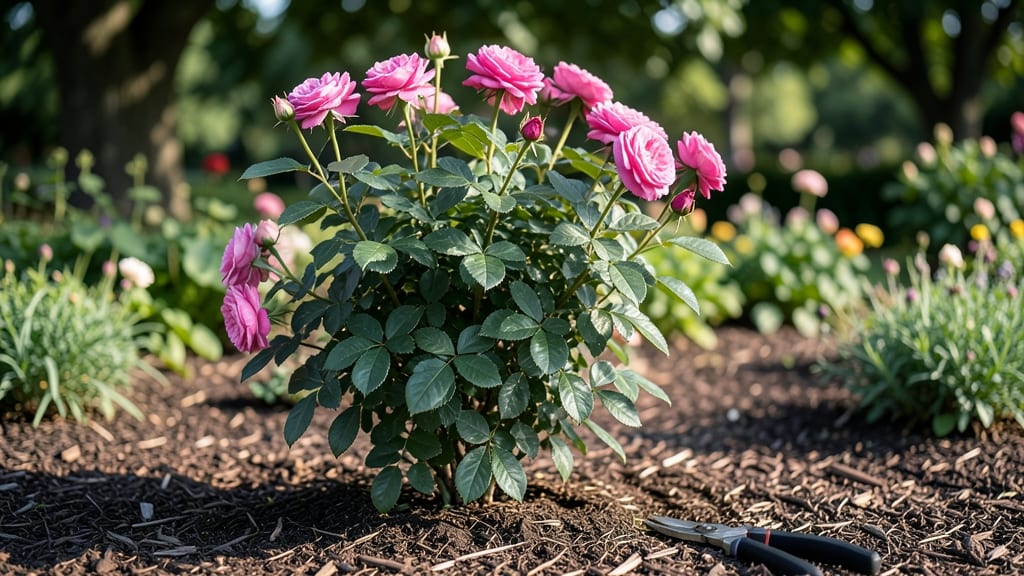
A 4-foot rose can transform any garden into a fragrant, romantic retreat—without overwhelming your space. 🌹 I’ve trained roses to this perfect height for small yards, modern landscapes, and even container gardens, where they add vertical drama without the sprawl.
The secret lies in pruning at the right time and choosing the right varieties that naturally stay compact but still pack a floral punch.
These roses thrive along fences, trellises, or even as standalone hedges, creating living screens that bloom from spring through fall. Pair them with lavender for a cottage-garden feel or boxwood for a crisp, modern border.
The key is spacing them 3-4 feet apart to allow airflow while keeping the overall look neat and intentional.
With the right care, you’ll enjoy vibrant blooms that perfume the air and attract pollinators all season. Prune in late winter to shape them, and watch how they fill in beautifully by summer.
Whether you’re framing a doorway or softening a sharp corner, this size delivers elegance without the maintenance of a full-sized climber.
Works in any garden style—formal, cottage, or contemporary—and adapts to containers for patios or balconies. Here’s how to make them the star of your design without the fuss.
📚 In This Guide
- What you need
- Instructions
- Tips and common mistakes
- Wrapping up and next steps
What you need
- ● Rose Bush: Choose a climbing or shrub rose variety (e.g., Knock Out®, Climbing Tea Rose, or David Austin English Roses) that matures to 4–5 feet.
- ● High-Quality Potting Soil: 3–5 gallons of well-draining rose-specific mix (or blend garden soil with 50% perlite/compost).
- ● Container or Raised Bed: Pot: Minimum 15–20 gallons (18–24" diameter) with drainage holes.
- ● OR Raised Bed: At least 12" deep and 24" wide for root expansion.
- ● Organic Fertilizer: Slow-release rose-specific granules (e.g., 10-10-10 or 5-10-5) or liquid feed (e.g., fish emulsion).
- ● Mulch: 2–3 inches of wood chips or pine bark to retain moisture and regulate temperature.
- ● Support Structure: Trellis, Obelisk, or Cage: Sturdy metal/wood frame (minimum 5–6 feet tall for climbing varieties).
- ● OR Stakes: 2–3 bamboo/aluminum stakes (5–6 feet long) for shrub roses.
- ● Pruning Tools: Bypass Pruners (sharp, clean for cuts).
- ● Loppers (for thicker stems).
- ● Watering System: Drip irrigation or soaker hose (to deliver 1–2 inches of water weekly).
- ● Epsom Salt: 1 tablespoon/month dissolved in water to boost magnesium (great for green foliage!).
- ● Rose Food Spikes: Convenient slow-release fertilizer stakes for hassle-free feeding.
- ● Pest Control: Neem Oil (organic insecticide/fungicide).
- ● Beneficial Nematodes (for grub prevention).
- ● Decorative Accents: Garden flags, solar-powered lights, or colorful mulch to enhance your rose’s charm.
How to grow a 4-Foot rose Bush with continuous blooms
Here's my foolproof method for cultivating a compact yet fragrant rose that thrives year-round with minimal fuss.
🌱 Step 1: Select the Right Variety and Plant at the Perfect Time
Choose a dwarf climbing rose like 'New Dawn' or 'Blaze'—both reach 4 feet tall while staying manageable. Plant in early spring after the last frost when soil warms to 60°F, or in fall (6-8 weeks before first frost) for established root growth before dormancy.
Dig a hole twice as wide as the root ball but no deeper—this encourages outward root spread, which supports the plant's height without toppling. Amend the native soil with 2 inches of compost mixed into the bottom of the hole. The goal is loose, well-draining soil that won't suffocate roots as the plant grows.
☀️ Step 2: Position for Maximum Sun and Airflow
Place your rose in full sun—at least 6-8 hours daily—where it gets morning sunlight and afternoon shade if your climate runs hot. I always avoid south-facing walls in dry regions; the afternoon sun can scorch leaves and attract pests. A north or east exposure works beautifully for consistent blooms.
Space plants 3-4 feet apart to allow airflow, which prevents fungal diseases like black spot. If growing near a fence or trellis, install a 5-foot support immediately. Roses climb by twining stems, so a sturdy metal or wooden trellis prevents weak, floppy growth. Water deeply after planting to settle the soil around roots.
💧 Step 3: Water Deeply and Fertilize for Continuous Blooms
Water once weekly in the first year, soaking the soil to 12 inches deep. You'll know it's enough when water runs out the drainage holes. In the second year, increase to every 4-5 days during hot spells, checking soil moisture by sticking your finger 2 inches down—if it feels dry, water again.
Feed with a balanced rose fertilizer (10-10-10) every 4-6 weeks from spring through summer. I swear by organic options like fish emulsion or bone meal—they release nutrients slowly without burning roots. Stop fertilizing in late summer to encourage hardy wood formation for winter.
✂️ Step 4: Prune Strategically for Height and Blooms
Prune twice yearly: late winter (just before new growth starts) and after each flush of blooms. In winter, cut back one-third of the plant, removing dead, crossing, or inward-growing canes. This opens the center for airflow and redirects energy to stronger new growth.
After blooms fade, trim stems back to the first 5-leaf cluster below the flower. This encourages more buds to form along the stem, resulting in continuous blooms throughout the season. Always use clean, sharp pruners—dull blades tear stems and invite disease. Dip tools in rubbing alcohol between cuts to prevent bacterial spread.
🌿 Step 5: Protect and Maintain for Year-Round Health
Mulch with 2-3 inches of organic mulch (like shredded bark) around the base, keeping it 6 inches away from the stem. This conserves moisture, regulates soil temperature, and suppresses weeds. In zones 5-7, mound an extra 4-6 inches of mulch over the root zone in winter to insulate roots from freezing.
Watch for aphids or spider mites—they love tender new growth. Spray infested areas with neem oil or a soapy water solution (1 tsp mild dish soap per quart of water). Deadhead spent blooms regularly to prevent seed formation, which drains energy from new flowers. With this care, your 4-foot rose will reward you with fragrant, continuous blooms from spring through fall.
Tips & tricks for perfect 4-Foot rose care
These simple strategies will help you keep your climbing rose thriving and blooming beautifully year after year.
Variety Matters: When selecting your dwarf climbing rose, pay close attention to the specific growing zone recommendations for your variety. 'New Dawn' thrives in zones 5-9, while 'Blaze' handles zones 6-10 better. If you're in a cooler climate, consider 'Blaze' for its hardier nature. The right variety ensures your rose will reach that perfect 4-foot height without struggling to adapt to your local conditions.
Planting Precision: The key to successful planting lies in that wide but shallow hole—twice as wide as the root ball but no deeper. This encourages roots to spread outward rather than growing downward. I've seen many gardeners dig too deep, which can suffocate the roots and lead to weak growth. After planting, water deeply to help settle the soil around the roots and eliminate air pockets that could hinder water absorption.
Sunlight Strategy: For continuous blooms, that 6-8 hours of full sun is non-negotiable. If your climate gets extremely hot afternoons, position your rose to receive morning sun and afternoon shade. I've noticed that roses with afternoon shade produce more vibrant blooms and suffer less from sunburned leaves. A north or east-facing location works best in most regions, giving you the perfect balance of light exposure.
Pruning Pro Tips: When pruning in late winter, don't be afraid to cut back one-third of the plant—this opens up the center for better airflow and encourages stronger new growth. For post-bloom pruning, always look for that first 5-leaf cluster below the flower. This is your guide for where to make the cut, ensuring you'll get more buds and continuous blooms. I've found that using clean, sharp pruners and dipping them in rubbing alcohol between cuts prevents disease spread much more effectively than many commercial sprays.
Pro Tips for 4 Foot Rose
- These simple strategies will help you keep your climbing rose thriving and blooming beautifully year after year.
- Variety Matters: When selecting your dwarf climbing rose, pay close attention to the specific growing zone recommenda...
- Planting Precision: The key to successful planting lies in that wide but shallow hole—twice as wide as the root ball ...
Frequently asked questions
Got questions about growing a stunning 4-foot rose? You're not alone! Here are some common queries—and their answers—to help you cultivate fragrant, year-round blooms with ease.
What’s the best time of year to plant a 4-foot rose?
Plant your rose in early spring or fall when temperatures are mild (50–70°F). Avoid extreme heat or frost, which can stress young roots. Spring planting gives roses time to establish before summer, while fall roots settle before winter dormancy.
How often should I water a 4-foot rose?
Water deeply 1–2 times per week (more in extreme heat or drought). Aim for 1–1.5 inches of water per session, ensuring soil stays moist but not soggy. Mulch around the base to retain moisture and protect roots. Morning watering is best to reduce evaporation and fungal risks.
When and how should I prune a 4-foot rose?
Prune in late winter or early spring (before new growth starts) to shape the plant and encourage blooms. Remove dead, diseased, or crossing branches, then cut back remaining stems by ⅓ to a healthy bud. For climbing roses, prune lightly in summer to maintain height and airflow.
What pests or diseases should I watch for in a 4-foot rose?
Common issues include aphids, spider mites, black spot fungus, and powdery mildew. Prevent pests with neem oil or insecticidal soap. For fungal diseases, prune for airflow, avoid overhead watering, and apply fungicide if needed. Regular inspections catch problems early!
Can I grow a 4-foot rose in a container?
Yes! Choose a large container (at least 15–20 gallons) with drainage holes and use well-draining potting mix. Opt for dwarf or patio rose varieties (like ‘Knock Out’ or ‘Bonica’). Container roses need more frequent watering and fertilizer than in-ground plants. Move them indoors or to a sheltered spot in winter if temperatures drop below 20°F.
Wrapping up and next steps
A 4-foot rose isn’t just a plant—it’s a statement of timeless beauty and fragrance that transforms any space into a romantic retreat. Whether you’re a seasoned gardener or a beginner, these climbing roses offer year-round elegance with minimal fuss.
With the right care, you’ll enjoy lush blooms, intoxicating scents, and a stunning vertical display that elevates your garden’s charm.
Ready to bring this dream to life? Start by choosing your favorite variety, gathering your supplies, and picking the perfect spot in your garden. Your fragrant oasis awaits—plant that first seedling today! 🌸