
Shrubs
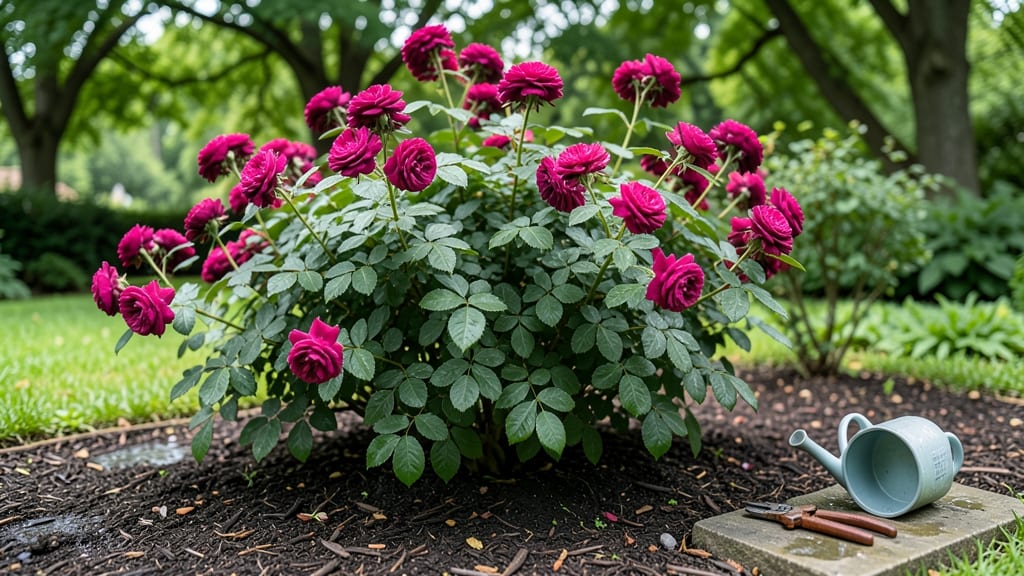
Big rose bushes transform any garden into a fragrant, colorful masterpiece—but only if you prune them right. ✂️ I’ve turned my once-neglected 6-foot climbers into blooming powerhouses using just three strategic cuts every year, and the secret isn’t complicated: it’s about timing, shape, and knowing where to stop.
The first rule? Prune after the last frost but before new growth starts—this jumpstarts spring blooms. Use sharp bypass pruners to cut at a 45-degree angle just above an outward-facing bud, and remove no more than ⅓ of the bush in one go.
Thick canes? Thin them out completely to improve airflow and prevent disease.
By summer, you’ll see dense, bushy growth with flowers appearing in clusters instead of sparse stems. The key is consistency: a quick trim after each flush of blooms keeps them compact and productive. Even my black thumb can’t mess this up—it’s that foolproof.
Works for hybrid teas, floribundas, and climbing roses alike. The same principles apply whether you’re shaping a small patio bush or training a trellis. Let’s get those blooms going!
📚 In This Guide
- What you need
- Instructions
- Tips and common mistakes
- Wrapping up and next steps
What you need
- ● Rose bushes: Choose disease-resistant varieties (e.g., Knock Out®, David Austin, or Hybrid Tea) suited to your USDA hardiness zone.
- ● High-quality potting soil or garden loam: 5-10 gallons, amended with compost (20-30%) for drainage and nutrients.
- ● Organic fertilizer: Balanced (10-10-10) or rose-specific (e.g., Espoma Rose-Tone) for planting and seasonal feedings.
- ● Mulch: 2-3 inches of wood chips or straw to retain moisture and suppress weeds.
- ● Pruning tools: Bypass pruners (sharp, disease-resistant)
- ● Loppers (for thicker stems, 18-24" reach)
- ● Pruning saw (for thick canes >1")
- ● Disinfectant: 70% rubbing alcohol or bleach solution (1 part bleach to 9 parts water) to sterilize tools.
- ● Support system: Cage, trellis, or stakes (galvanized metal or sturdy wood) for climbing varieties.
- ● Watering can or hose: With a gentle spray nozzle to avoid damaging blooms.
- ● Gloves: Heavy-duty gardening gloves (thorns are no joke!).
- ● Soil tester: To check pH (6.0-6.5 ideal for roses) and adjust with lime or sulfur if needed.
- ● Epsom salt: 1 tbsp/month dissolved in water for magnesium boosts (especially for yellowing leaves).
- ● Rose food spikes: Slow-release granules for 3-4 month nutrient delivery.
- ● Fungicide: Neem oil or copper-based spray for preventive care (apply at first sign of mildew).
- ● Shade cloth: 30-50% coverage for young plants in hot climates.
- ● Plant tags: To label varieties and track pruning dates.
Instructions: three simple cuts for year-round blooms
Here's the straightforward method I use to transform ordinary rose bushes into lush, continuous bloomers.
✂️ Step 1: First Cut in Late Winter - Prune for Structure
Timing is everything—wait until your last frost date has passed but before buds swell, usually in late February to early March. Grab your sharp bypass pruners and start by removing any dead, diseased, or crossing branches at the base. You'll know a branch is dead if it's brittle, dark, or doesn't bleed when cut.
Next, cut back last year's growth by one-third to one-half of its length. Make clean cuts at a 45-degree angle, about ¼ inch above an outward-facing bud. This encourages new growth to spread outward rather than inward. I like to visualize the bush as a vase—wide at the bottom, narrowing toward the top.
Here's the thing—don't worry about being perfect. Roses are forgiving, and you can always adjust next year. Just avoid cutting into old wood (gray/brown stems) unless absolutely necessary, as it won't regrow.
☀️ Step 2: Summer Pruning - Encourage Continuous Blooms
After your first flush of blooms fades, it's time for the second cut. Wait until new growth appears—usually 4-6 weeks after spring blooms—then prune back by one-third again. This isn't about shaping now; it's about stimulating another round of flowers.
Look for spent blooms and cut back to the first five-leaflet leaf below them. This ensures the plant puts energy into developing new flowers rather than seed production. I always prune on a dry, overcast morning to reduce stress on the plant.
Real talk: This is where most people skip the easy part. But consistent summer pruning is what turns a one-time bloomer into a year-round beauty. Don't overthink it—just keep the bush open and airy.
✂️ Step 3: Final Cut in Early Fall - Prepare for Winter
Your last pruning happens in early fall, about 6-8 weeks before your first frost. This time, we're focusing on cleanup and protection. Remove any weak, spindly growth that won't harden off properly, and cut back tender canes to stronger wood below.
Shorten all remaining canes by one-third, making sure each cut ends at a bud facing outward. This shape protects the center from winter winds while allowing sunlight to reach new growth in spring. I like to leave my roses with strong, sturdy branches—they'll bounce back better after winter.
Don't prune too late, though. Cutting in fall encourages fresh growth that won't harden off before winter. You'll see new shoots if you wait too long—stop pruning immediately if you do.
🌿 Step 4: Year-Round Maintenance - Keep Them Blooming
Between cuts, roses need consistent care to keep producing. Water deeply once a week (more in extreme heat) until top 2 inches of soil feel dry. Mulch with 2-3 inches of organic matter to retain moisture and protect roots.
Feed with a balanced rose fertilizer every 4-6 weeks during growing season, but cut back in fall. Deadhead regularly—yes, even between pruning seasons—to encourage more blooms. I swear by pinching off spent flowers with my fingers; it's faster than snipping and keeps the bush tidy.
Watch for pests like aphids or Japanese beetles. A strong spray of water usually knocks them off, but if they persist, use neem oil—it's gentle on roses and effective. Healthy bushes are less susceptible to problems, so keep them well-fed and watered.
Tips & tricks for perfect year-round rose blooms
Here's what nobody tells you about keeping your roses flowering beautifully through all seasons.
Timing is Everything: The late February to early March window for your first cut is critical—it's the sweet spot where your rose has survived winter but hasn't yet started active growth. I check my local frost dates and mark my calendar with reminders, because missing this window means you'll be pruning new growth instead of last year's wood. For summer pruning, those 4-6 weeks after spring blooms might feel like waiting forever, but patience here pays off with that second flush of flowers. If you're in a warmer climate, you might need to adjust slightly, but always wait for that new growth signal.
Cutting Technique Matters: That 45-degree angle cut isn't just for looks—it helps water run off the cut and prevents disease. The quarter-inch above an outward-facing bud is where new growth emerges, so aim for that spot every time. Confession: I skipped this detail for years and wondered why my roses grew inward. Now I use a small notepad to sketch the ideal cut before I start pruning—it's become my secret weapon for consistent results. And remember, clean tools are essential: disinfect your pruners between cuts to prevent spreading disease.
Seasonal Adjustments: In fall, the 6-8 week window before frost is your target, but don't stress about being exact. I've found that if you see new shoots appearing in fall, you've waited too long—stop pruning immediately. For winter protection, consider adding a thick layer of mulch (3-4 inches) around the base after your fall pruning. This acts like a blanket, protecting roots from temperature swings. In extreme climates, you might even want to mound soil around the base for added insulation—just be sure to remove it in spring before new growth appears.
Maintenance Wins: The once-weekly watering guideline works for most climates, but I've learned to adjust for my local conditions. During heatwaves, I water every 2-3 days and check soil moisture in the morning before watering. That 2-3 inch mulch layer is non-negotiable—it's the difference between thriving roses and struggling ones in my experience. And while deadheading is simple, I've found that pinching off spent blooms with my fingers is actually faster than using pruners, especially when doing quick maintenance between pruning seasons.
Pro Tips for Big Rose Bushes
- Here's what nobody tells you about keeping your roses flowering beautifully through all seasons.
- Timing is Everything: The late February to early March window for your first cut is critical—it's the sweet spot where your rose has survived winter but hasn't yet started active growth.
- Cutting Technique Matters: That 45-degree angle cut isn't just for looks—it helps water run off the cut and prevents disease.
Frequently asked questions
Got questions about nurturing big, blooming rose bushes? You’re not alone! Here are some of the most common queries—plus straightforward answers to keep your roses thriving.
How often should I prune my big rose bushes for maximum blooms?
Prune your roses three times a year: once in late winter (before new growth), again in early summer after the first flush of blooms, and a light trim in late summer to encourage fall flowers. Focus on removing dead, diseased, or crossing branches—this keeps air flowing and energy focused on vibrant blooms! Learn the exact cuts here.
When is the best time to plant big rose bushes for long-term success?
The ideal window is early spring or early fall—when soil is workable but not frozen. Planting in spring gives roots time to establish before summer heat, while fall allows them to settle before winter dormancy. Avoid planting in extreme heat or cold, as stress can stunt growth. Pro tip: Soak the roots in water for 1–2 hours before planting to reduce transplant shock!
Why aren’t my big rose bushes blooming as much as they used to?
Lack of blooms often stems from over-pruning, poor nutrition, or inconsistent watering. Check for these red flags:
- Pruning mistakes: Cutting back too aggressively in late summer or winter can delay blooms.
- Nutrient deficiency: Roses thrive with balanced fertilizer (high in phosphorus for flowers). Test your soil!
- Water stress: Deep water 1–2 times per week (not daily shallow watering) to encourage strong roots.
Can I grow big rose bushes in containers? What’s the best setup?
Choose dwarf or climber varieties (like ‘Knock Out’ or ‘New Dawn’) for containers. Use a 5-gallon pot minimum with drainage holes, and fill it with a mix of potting soil, compost, and perlite for aeration. Containers dry out faster, so water daily in hot weather and fertilize monthly. Bonus: Move pots to sunny spots (6+ hours of light) and rotate them weekly for even growth!
How do I protect big rose bushes from winter damage?
Start by pruning lightly in late fall (remove dead wood but leave healthy stems). Mulch the base with 3–4 inches of organic mulch (straw or shredded leaves) to insulate roots. For harsh winters, wrap canes with burlap or rose cones, securing them loosely to avoid moisture buildup. In Zone 5 or colder, consider a mini greenhouse or cold frame for extra protection.
What are some low-maintenance alternatives to big rose bushes for year-round color?
If roses feel high-maintenance, try these hardy, low-fuss shrubs:
- Hydrangeas: Thrives in partial shade, blooms summer to fall, and loves consistent moisture.
- Butterfly Bush: Drought-tolerant, attracts pollinators, and blooms all summer long.
- Abelia: Evergreen in warm climates, fragrant flowers, and zero pruning needed.
- Spirea (e.g., ‘Goldflame’): Cold-hardy, blooms spring and fall, and tolerates poor soil.
Wrapping up and next steps
Growing big, blooming rose bushes is all about timing, technique, and a little love—and you’ve got everything you need to succeed! 🌹 With just three strategic cuts, you can enjoy year-round beauty and a thriving garden that turns heads.
Remember, roses reward patience, so don’t hesitate to roll up your sleeves and get hands-on.
Ready to take the next step? Pick a sunny weekend, grab your pruners, and give your roses the care they deserve. Before you know it, your garden will be bursting with color—and you’ll be the proud gardener every neighbor admires!