
Shrubs
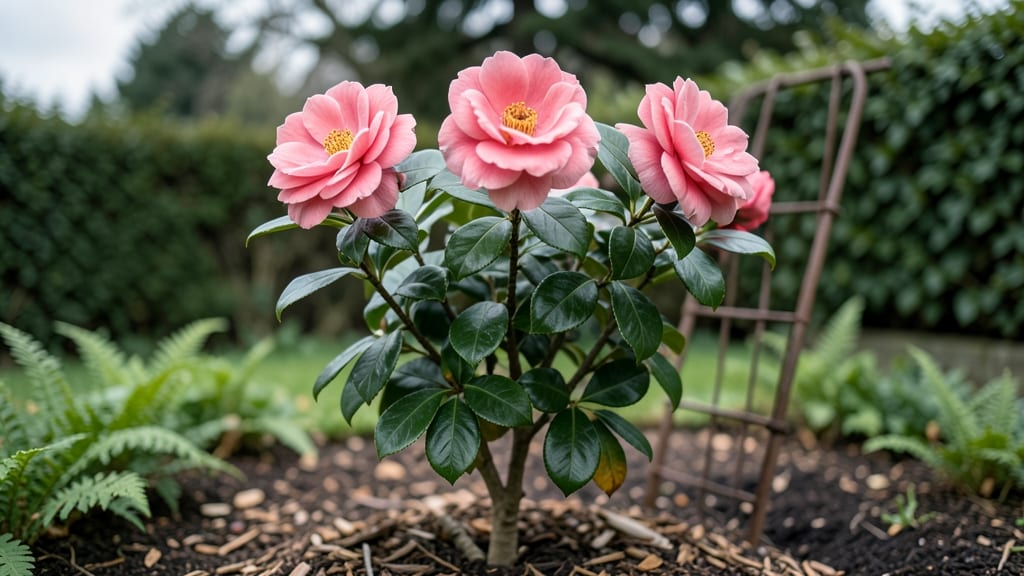
Growing Camellia 'Winter's Rose' in containers means fragrant pink blooms even in winter's chill. 🌸 This cold-hardy variety thrives where others struggle, and its compact size makes it perfect for patios, balconies, or sunny doorsteps.
The secret lies in mimicking its natural woodland habitat—moist but well-draining soil, partial shade, and protection from harsh winds. You'll need a 15-20 gallon container with drainage holes, a high-quality acidic potting mix (pH 5.5-6.5), and a spot that gets morning sun and afternoon shade.
Plant in early spring or fall when temperatures are mild, and space your camellia at least 3 feet apart if grouping multiple plants. The first year is about establishing roots—water deeply when the top inch of soil feels dry, but avoid soggy roots.
By late winter, you'll be rewarded with bold, rose-like flowers that last for weeks, filling the air with a sweet, spicy fragrance. Prune lightly after blooming to shape the plant, and feed with an acid-loving fertilizer every 6-8 weeks during the growing season.
Mulch with pine bark to retain moisture and acidity. This camellia handles cold down to 10°F, making it ideal for zones 7-9, and its container-friendly nature means you can move it indoors during extreme cold snaps.
Watch for aphids or scale insects—blast them off with water or use neem oil for a gentle fix. With these simple steps, you'll have a year-round fragrant centerpiece that turns heads and fills your space with beauty.
📚 In This Guide
- What you need
- Instructions
- Tips and common mistakes
- Wrapping up and next steps
What you need
- ● Camellia Winter’s Rose plant: 1 healthy, container-ready shrub (3–5 gallons pot size recommended). Look for Camellia sasanqua ‘Winter’s Rose’—its cold-hardy and fragrant!
- ● Well-draining potting mix: 5–10 gallons of acidic (pH 5.0–6.0) blend like 50% peat moss, 30% pine bark fines, and 20% perlite/sand.
- ● Container: 1 large pot (18–24" diameter) with drainage holes. Terracotta or ceramic works best for heat retention.
- ● Slow-release fertilizer: 1 cup of acid-loving plant fertilizer (16-4-8 NPK ratio) mixed into the soil at planting.
- ● Mulch: 2–3 inches of pine bark or cypress mulch to retain moisture and acidity.
- ● Gloves & trowel: For handling soil and delicate roots.
- ● Watering can or hose with gentle nozzle: Camellias hate soggy roots!
- ○ pH testing kit: Optional but helpful to monitor soil acidity.
- ● Pruning shears: For shaping and deadheading spent blooms.
- ● Container saucer or tray: To catch runoff and prevent messes.
Step-by-step guide to growing camellia 'winter's rose' in containers
Here’s how to coax those velvety pink blooms year after year—even in pots.
🪴 Step 1: Select the Right Container and Soil Mix
Camellias thrive in acidic, well-draining soil with 6.0–6.5 pH. Choose a 12–15 gallon container (at least 18 inches deep) with drainage holes—terra cotta keeps roots cooler than plastic. I blend 50% peat moss or pine bark fines with 50% high-quality potting mix to mimic their native woodland soil.
Add a 2–3 inch layer of coarse sand or perlite at the bottom for drainage. This prevents soggy roots, which cause root rot. Fill the container halfway with your mix, then water it thoroughly until it’s evenly moist but not saturated. The goal is a light, airy medium that holds moisture without suffocating roots.
☀️ Step 2: Plant and Position for Optimal Light
Dig a hole twice as wide as the root ball but no deeper. Gently loosen the roots if they’re circling, then place the camellia so the top of the root ball sits 1 inch below the container rim. This allows for water to pool slightly without spilling over.
Fill around the roots with your mix, pressing lightly to eliminate air pockets. Camellias need morning sun and afternoon shade—think dappled light under a tree canopy. In hotter climates, position it where it gets only 3–4 hours of direct sun daily. Too much sun scorches the leaves, while too little starves the blooms.
💧 Step 3: Water and Fertilize for Year-Round Blooms
Water deeply 2–3 times per week in summer, letting the top 2 inches of soil dry out between waterings. In winter, reduce to once every 10–14 days—overwatering is the #1 killer of container camellias. Use rainwater or distilled water if your tap water is alkaline; the chlorine and minerals burn tender roots.
Feed with an acid-loving plant fertilizer (like 8-3-9) every 4–6 weeks from spring to fall. I cut back to monthly in late summer to encourage fall/winter blooms. Avoid high-nitrogen fertilizers—they produce lush foliage but few flowers. Look for a label with low nitrogen (first number) and higher phosphorus (middle number) for blooms.
✂️ Step 4: Prune and Protect for Long-Term Health
Prune right after flowering (late winter/early spring) to shape the plant and remove dead or crossing branches. Use clean, sharp shears to cut just above a leaf node at a 45-degree angle. Never prune into old wood—camellias bloom on new growth, and severe cuts reduce next year’s flowers.
In winter, protect your container from freezing temperatures below 10°F. Wrap the pot in burlap or bubble wrap, and move it to a sheltered spot like a garage or under an eave. If you’re in a colder zone, bury the container in 6 inches of mulch or straw for extra insulation. This prevents root heave and keeps the soil temperature stable.
🌿 Step 5: Monitor and Adjust for Peak Performance
Watch for yellowing leaves—a sign of iron deficiency or overwatering. If the soil pH drifts above 6.5, add sulfur or peat moss to lower it. Brown leaf edges? That’s usually low humidity—mist the plant daily or place the container on a tray of pebbles with water to increase moisture in the air.
Every 2–3 years, repot into a slightly larger container (just 2–3 inches wider) with fresh mix. This refreshes nutrients and prevents root-bound stress. If your camellia stops blooming, check its light—too much sun or shade can halt flower production. Adjust gradually over a week to avoid shocking the plant.
Tips & tricks for perfect camellia 'winter's rose' container culture
These insider secrets will help you nurture velvety pink blooms that last all year—even in pots.
Container Selection: Terra cotta pots are ideal because they wick moisture away from roots, preventing the soggy soil that causes root rot. If using plastic, add extra drainage holes—camellias hate wet feet. I've found that larger containers (15+ gallons) actually reduce watering frequency because the soil stays moist longer, but never exceed 24 inches in diameter or the plant may become top-heavy.
Soil pH Precision: The 6.0-6.5 pH range is non-negotiable for camellias. Test your mix with a soil pH meter before planting—many garden centers sell them for under $10. If your tap water tests above 7.0, use rainwater or distilled water exclusively. I once ruined a potted camellia by ignoring this, and the yellowing leaves took months to recover even after adjusting the pH.
Light Transition Strategy: When moving your camellia between seasons, don't shock it with sudden light changes. Gradually adjust its position over 7-10 days—this prevents leaf scorch from too much sun or etiolation from insufficient light. In winter, a south-facing window gets about 3-4 hours of indirect light, which is perfect for maintaining blooms during shorter days.
Winter Protection Pro Tip: For temperatures below 10°F, I've had success using a combination of bubble wrap and straw. Wrap the pot completely in bubble wrap first, then surround the base with straw mulch up to the rim. This creates an insulating barrier that maintains root zone temperature while allowing airflow. The straw also helps prevent root heave during freeze-thaw cycles.
Pro Tips for Camellia Winter'S Rose
- These insider secrets will help you nurture velvety pink blooms that last all year—even in pots.
- Container Selection: Terra cotta pots are ideal because they wick moisture away from roots, preventing the soggy soil that causes root rot.
- Soil pH Precision: The 6.0-6.5 pH range is non-negotiable for camellias.
Frequently asked questions
Got questions about Camellia 'Winter’s Rose'? You’re not alone!
Here are answers to the most common ones—from planting to winter care—so you can keep this fragrant beauty thriving in containers all year.
When is the best time to plant Camellia 'Winter’s Rose' in containers?
Plant in early spring or early fall (spring is ideal for warmer climates). Avoid extreme heat or cold, which can stress the roots. If repotting, do it in spring when new growth starts—this helps the plant recover faster. Pro tip: Use well-draining soil and a pot with drainage holes to prevent soggy roots!
How do I protect Camellia 'Winter’s Rose' from cold winters in containers?
This camellia is cold-hardy (USDA Zones 7–9), but containers need extra love. Move pots to a shaded, sheltered spot (like a garage or under eaves) before temps drop below 20°F. Wrap the pot in bubble wrap or frost cloth and mulch the soil with straw or pine needles. Water sparingly in winter—only when the top inch of soil is dry.
Why isn’t my Camellia 'Winter’s Rose' blooming?
Blooms need consistent care! Check these fixes:
- Light: Ensure it gets partial shade (morning sun, afternoon shade). Too much sun = leaf scorch; too little = fewer blooms.
- Water: Keep soil evenly moist (not soggy). Dry spells stress the plant.
- Fertilizer: Feed with acidic, balanced fertilizer (like 8-8-8) in spring and early summer.
- Pruning: Trim after blooming to encourage new growth.
Can I grow Camellia 'Winter’s Rose' indoors year-round?
Yes, but with limitations. Place it near a bright, east-facing window (avoid harsh afternoon sun). Use a humidifier or pebble tray to mimic its tropical roots. Rotate the pot monthly for even growth. Watch for pests (spider mites love dry indoor air)—mist leaves weekly! For winter, supplement with a grow light if natural light fades.
What are some low-maintenance alternatives to Camellia 'Winter’s Rose' for containers?
If you want fragrant, cold-hardy, and container-friendly shrubs, try:
- Dwarf Gardenia (Gardenia jasminoides): Sweet blooms, loves shade, but needs acidic soil.
- Japanese Andromeda (Pieris japonica): Evergreen, pink spring blooms, thrives in partial shade.
- Dwarf Camellia (Camellia sasanqua): Similar care, blooms in fall/winter.
- Winter Daphné (Daphne odora): Fragrant winter flowers, but toxic—wear gloves when handling!
Wrapping up and next steps
Camellia Winter’s Rose isn’t just a shrub—it’s a year-round celebration of beauty and fragrance, especially in containers! With the right care, you’ll enjoy its lush blooms and sweet scent from winter through spring. Whether you’re a beginner or a seasoned gardener, this guide gives you all the tools to thrive.
Ready to transform your space? Start small: pick your pot, prep your soil, and give it the love it deserves. Watch as your Camellia Winter’s Rose becomes the star of your garden—one bloom at a time! 🌸