
Size
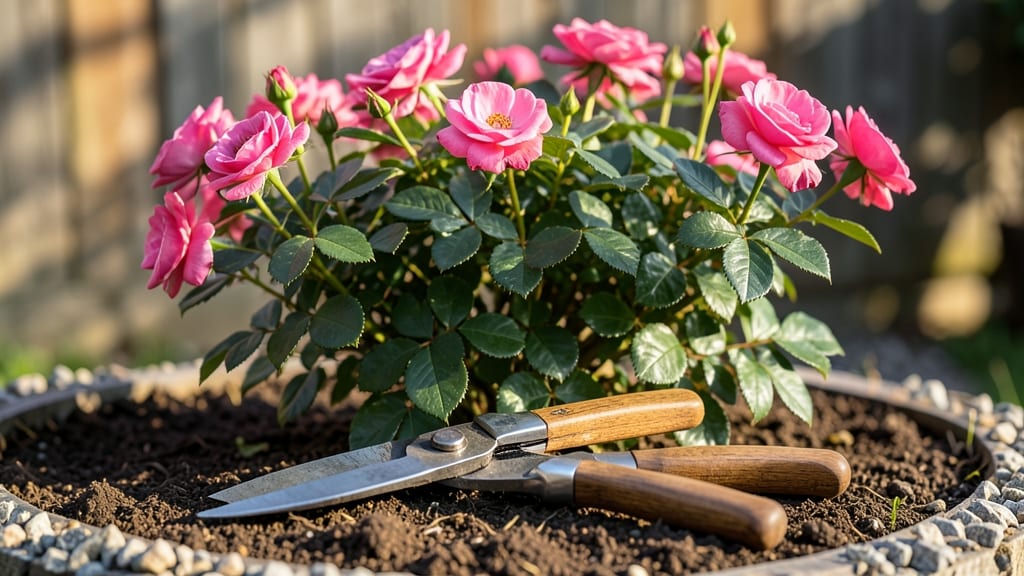
You can you cut knockout roses back to the ground—and when you do, you’ll unlock their wildest, most prolific blooms. 🌿 I’ve watched my overgrown bushes transform from straggly to lush after a late-winter reset., and the difference is night and day.
The key? Timing, sharp tools, and knowing exactly where to make those cuts.
Most gardeners hesitate because they’ve heard roses need delicate pruning, but Knockout roses are built tough. These hardy shrubs thrive when you give them a clean start, and the best time is after your last hard frost but before new growth appears.
You’ll need clean pruners, rubbing alcohol (to sterilize between cuts), and a sharp saw for thicker stems—no fancy equipment, just the right approach.
When you’re done, you’ll have a compact, vibrant green bush that looks like it was designed for summer. The first flush of blooms arrives earlier, lasts longer, and the stems stay strong enough to support those heavy clusters.
Plus, you cut back disease risk by removing old, crowded wood where pests love to hide.
Here’s the thing—this method works for any Knockout rose, whether it’s a single bush or a whole hedge. The only real mistake is pruning too early or too late, but once you nail the timing, you’ll wonder why you didn’t do this sooner.
Ready to transform those ragged stems into a blooming powerhouse?
📚 In This Guide
- What you need
- Instructions
- Tips and common mistakes
- Wrapping up and next steps
What you need
- ● Pruning shears or bypass pruners – Sharp, clean, and capable of cutting ¼-inch thick stems (1 pair). Sterilize with rubbing alcohol before and after use.
- ● Loppers – For thicker stems (½-inch or larger) (1 pair). Look for bypass-style loppers for cleaner cuts.
- ● Garden gloves – Heavy-duty, cut-resistant gloves (1 pair) to protect hands from thorns and debris.
- ● Disinfectant (rubbing alcohol or 10% bleach solution) – 1 small spray bottle or container to sterilize tools between cuts.
- ● Heavy-duty trash bags or compost bin – For disposing of pruned branches (1-2 bags or access to a compost pile).
- ○ Pruning sealant (optional but helpful) – For large cuts over ½-inch thick (small bottle). Only use if needed—Knockout roses heal quickly!
- ● Knee pads or stool – For comfort during long pruning sessions.
- ● Marking spray (paint or chalk) – To tag canes for future reference (small bottle).
- ● Garden twine or clips – To temporarily secure heavy canes post-pruning (1 roll).
- ● Handheld leaf blower or broom – To clear debris after pruning.
Step-by-step instructions for pruning Knockout roses to the ground
Here’s how to give your Knockout roses a dramatic late-winter haircut for stronger growth and bigger blooms.
✂️ Step 1: Time Your Pruning for Best Results
Wait until after your last frost date—typically late February to early March—when daytime temperatures consistently stay above 40°F. Pruning too early risks cold damage to fresh cuts, while waiting too long lets the plant waste energy on weak, early growth. You’ll know it’s time when the ground thaws and new shoots start poking through the soil.
I like to prune on a dry, overcast day. Wet conditions make the stems slippery and increase the risk of disease entering the cuts. If you must prune after rain, wait until the stems are dry to the touch. This step is critical: proper timing ensures your roses bounce back with vigor, not stress.
🪴 Step 2: Gather Tools and Prepare the Workspace
You’ll need sharp pruning shears (cleaned with rubbing alcohol to prevent spreading disease), gloves (roses have thorns!), and a bucket for trimmings. Lay down a tarp or old sheet to collect debris—this makes cleanup easier and keeps your workspace tidy. I also keep a small spray bottle of 10% bleach solution (1 part bleach to 9 parts water) nearby to disinfect tools between cuts.
Work in a well-ventilated area, preferably near where you’ll compost the trimmings. Avoid pruning in windy conditions—it can scatter debris and make the process messier. This is the moment to get organized so you can focus on making clean cuts without frustration.
✂️ Step 3: Cut Back to 12-18 Inches Tall
Using your pruners, cut each stem back to 12-18 inches tall, leaving 3-5 healthy buds (small bumps) on each stem. Avoid cutting directly above a bud—angle the cut ¼ inch above and just outside the bud to encourage outward growth. If you see dead, diseased, or crossing branches, remove those first, even if it means cutting higher on some stems.
Real talk: It’s tempting to leave stems taller for "support," but Knockout roses are tough and regrow quickly. Cutting them back hard stimulates stronger, bushier growth. You’ll see new shoots emerging within 2-3 weeks—that’s your reward for a bold prune.
💧 Step 4: Clean Up and Fertilize for Recovery
Remove all trimmings from the area—don’t compost them if they show signs of disease (black spots, mold). Rake up debris and dispose of it in the trash. Next, apply a balanced, slow-release fertilizer (like 10-10-10) around the base of the plant, keeping it 3-4 inches away from the stems. Water deeply to help the fertilizer absorb into the soil.
This step kickstarts recovery by providing nutrients while keeping the roots hydrated. You’ll notice new growth within 3-4 weeks, and by late spring, your roses will be lush and ready to bloom. Don’t skip the fertilizer—it’s the fuel your roses need to bounce back stronger.
☀️ Step 5: Monitor and Adjust for Summer Success
Keep the soil consistently moist but not soggy for the first 4-6 weeks after pruning. Mulch around the base with 2-3 inches of organic mulch (like shredded bark) to retain moisture and regulate soil temperature. Watch for new shoots—if they grow too leggy (thin and stretching), your roses need more light. Move them to a sunnier spot if possible.
Here’s the thing—Knockout roses are forgiving, but they respond best to consistent care. By mid-summer, you’ll have a full, vibrant bush with continuous blooms. The key is patience: Let the plant recover fully before expecting nonstop color. You’ve set them up for success now—just enjoy the payoff!
Tips & tricks for pruning Knockout roses to the ground
Took me a while to figure these out, so here's what actually makes a difference when you're giving your Knockout roses that dramatic winter reset.
Timing is Everything: The late February to early March window isn't just arbitrary—it's when your roses naturally enter dormancy. I've seen gardeners prune too early and watch their cuts freeze back, or too late and end up with weak, leggy growth. Check your local frost dates and plan accordingly. If you're unsure, wait until you see those first green shoots pushing through the soil—that's your perfect cue. The 40°F minimum temperature ensures your cuts won't get damaged by sudden cold snaps.
Cutting Technique Matters: That 12-18 inch range isn't just random—it's about finding the sweet spot between dramatic impact and leaving enough energy stores for new growth. When you're making those angled cuts ¼ inch above the buds, think of it like this: you're creating a little roof over each bud to protect it from rain while still allowing sunlight. I've made the mistake of cutting too close to buds, and those stems often fail to produce flowers. The 3-5 buds per stem recommendation gives you the best balance of air circulation and flowering potential.
Disease Prevention: Here's what nobody tells you—those prunings you're about to remove can be disease magnets. I used to compost them without thinking, only to watch my roses develop black spot the following season. The 10% bleach solution isn't just for sterilizing tools—spray it lightly on your cuts too. And that tarp under your workspace? It's not just for cleanup—it creates a barrier that keeps spores from jumping back onto your plants. Think of it as your first line of defense against fungal infections.
Recovery Strategy: The 3-4 week window for new growth isn't set in stone—it's actually a range that depends on your climate. In cooler zones, you might see shoots in 4 weeks; in warmer areas, they could appear in 2. What matters is consistency: that balanced fertilizer (10-10-10) should stay 3-4 inches from the stems to prevent root burn. I've learned the hard way that over-fertilizing right after pruning can stress the plant. And that mulch? Don't skimp on the 2-3 inches—it's like putting a cozy blanket around your roses' roots while they recover.
Pro Tips for Can You Cut Knockout Roses Back To The Ground
- Took me a while to figure these out, so here's what actually makes a difference when you're giving your Knockout roses that dramatic winter reset.
- Timing is Everything: The late February to early March window isn't just arbitrary—it's when your roses naturally enter dormancy.
- Cutting Technique Matters: That 12-18 inch range isn't just random—it's about finding the sweet spot between dramatic impact and leaving enough energy stores for new growth.
Frequently asked questions
Got questions about resetting your Knockout roses? Here are some common ones to help you feel confident in your late-winter pruning:
When is the exact best time to cut Knockout roses all the way to the ground?
The ideal window is late winter to early spring, once the soil is workable but before new growth starts (typically 2–4 weeks before your last frost date). For most regions, this means February to March. If you miss this window, wait until after the first blooms appear—but avoid pruning after mid-summer to prevent weak fall growth.
Will cutting Knockout roses to the ground kill them?
Not at all! Knockout roses are hardy and resilient—they thrive when pruned aggressively. Their robust root systems store energy, so a dramatic cut back to the ground (or just above the graft union) encourages fuller, bushier growth and more blooms. Just avoid cutting into old, woody stems (they won’t regrow).
Can I prune Knockout roses in winter if there’s still snow on the ground?
It’s best to wait until the ground thaws and the soil is dry enough to work. Pruning in frozen or soggy soil can stress the plant. If you’re eager to start, focus on cleaning up dead foliage (but avoid heavy pruning)—save the big cuts for when temperatures rise above freezing consistently.
What if my Knockout roses look sad after a hard cut? Should I worry?
Don’t panic! A temporary setback is normal—your roses are rebooting. Within 4–6 weeks, you’ll see fresh green shoots. If no new growth appears by late spring, check for root rot or pests (like aphids) and adjust watering (keep soil moist but not soggy). Mulch lightly to retain warmth.
Do I need to fertilize right after pruning Knockout roses?
Yes! Apply a balanced, slow-release fertilizer (like 10-10-10) or a rose-specific formula right after pruning to fuel new growth. Avoid high-nitrogen fertilizers too early in spring—they promote leafy growth over blooms. For best results, re-fertilize mid-summer to encourage fall blooms.
What’s the worst mistake people make when pruning Knockout roses?
The top blunder? Pruning at the wrong time (like late summer or fall) or using dull, dirty tools that tear stems (increasing disease risk). Another pitfall is over-pruning—never cut more than ⅓ of the plant’s height in one season. Always sterilize shears with rubbing alcohol between cuts!
Wrapping up and next steps
So, can you cut Knockout roses back to the ground? Absolutely! This late-winter reset isn’t just safe—it’s a game-changer for healthier plants and stunning summer blooms. With the right tools, timing, and technique, you’ll give your roses a fresh start while minimizing stress. 🌱
Now that you’re armed with the know-how, grab those pruners and get to work! Your roses will thank you with vibrant, fuller growth. For extra care, consider mulching or fertilizing afterward—your future blooms will shine brighter than ever. Happy pruning! 🌸