
Pruning
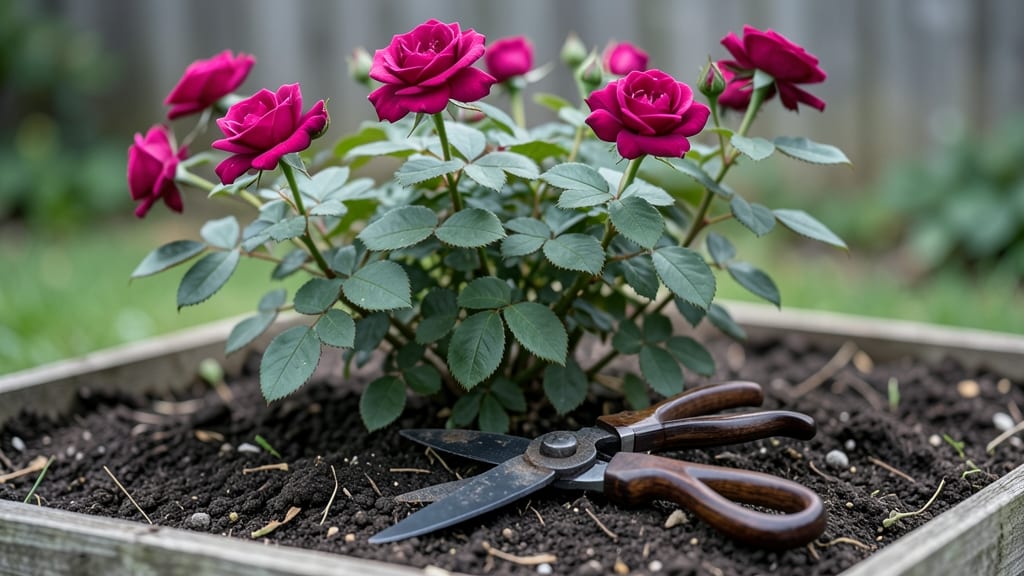
Cutting back your Knockout roses in early spring isn’t just pruning—it’s the secret to nonstop blooms all season. 🌹 I’ve pruned these roses for years, and the difference between a bush that flowers lightly and one that bursts with color comes down to three precise cuts made at the right time.
The best time is after your last frost when new growth is about to start. Grab your pruners and look for outward-facing buds—those are your future blooms. Cut just above a 5-leaf cluster on each stem, and you’ll encourage bushier growth and better airflow to prevent disease.
You’ll see new red shoots within weeks, with the first wave of blooms arriving in 4-6 weeks. The shape stays compact, and the plant invests energy in flowers, not leggy stems. For colder zones, wait until daytime temps stay above 40°F to avoid frost damage.
Avoid cutting into old wood (no green pith inside) or leaving stubs—both lead to weak growth. Clean up fallen leaves and debris to keep your roses healthy. Now grab those shears and let’s get pruning!
📚 In This Guide
- What you need
- Instructions
- Tips and common mistakes
- Wrapping up and next steps
What you need
- ● Bypass pruners – Sharp, clean, and sturdy (1 pair). Avoid anvil pruners—they crush stems.
- ● Loppers – For thicker stems (½"–1½" diameter) (1 pair). Look for bypass-style with ergonomic grips.
- ● Hand saw or pruning saw – For stubborn, woody stems (1). Opt for a curved blade for precision.
- ● Gloves – Heavy-duty, cut-resistant (1 pair). Thorns are no joke!
- ● Disinfectant (rubbing alcohol or 10% bleach solution) – To sterilize tools between cuts (small bottle or spray).
- ● Rake or leaf blower – For clearing debris (1). A stiff-bristle rake works best.
- ● Pruning sealant – For large cuts (1" or wider) (small jar). Helps prevent disease.
- ● Garden twine or zip ties – To secure heavy stems if needed (1 roll).
- ● Knee pads or stool – For comfort during long sessions (1 pair). Your back will thank you!
- ○ Marking spray (optional) – To tag cuts for future reference (small can). Useful for large bushes.
Step-by-step guide to revitalizing Knockout roses in spring
Here's how I transform tired roses into lush, blooming bushes with just a few precise cuts.
✂️ Step 1: Identify and Remove Dead or Diseased Wood
Start by scanning your Knockout roses for any blackened, mushy, or hollow canes—these are dead or diseased and need removal. Grab your pruning shears and cut back these stems all the way to the ground. You'll know you've found the right spot when you see fresh green tissue underneath the dead wood. Real talk: If you hesitate, the disease will spread to healthy canes.
Don't worry about the size of the cuts—focus on removing anything that looks compromised. Healthy wood feels firm and has a greenish center when you cut into it. I always work in the morning when the plant is hydrated, so I can see the difference between dead and living tissue more clearly.
✂️ Step 2: Cut Back Last Year's Growth by One-Third
Now, focus on the remaining healthy canes. Using your pruning shears, make your first cut about one-third of the way back from the tips of last year's growth. Look for an outward-facing bud that's about 1/4 inch above a set of five-leaflets—this is your target spot. This cut encourages the plant to branch out and produces fuller, bushier growth.
If you're unsure where to cut, imagine a triangle: the bud should be at the outer corner. This ensures new growth will spread outward, away from the center. I like to step back after each cut to visualize how the plant will look—it helps me avoid over-thinning the center.
✂️ Step 3: Shape the Bush for Airflow and Light Penetration
With your second round of cuts, shape the rose bush to allow airflow and sunlight to reach the center. Remove any crossing or rubbing branches—these create wounds where diseases can enter. Aim to create an open, vase-like shape with branches spaced evenly around the plant. You'll see the difference immediately in how light can now reach the interior.
For thicker canes, I make a third cut just above a bud that's facing outward. This encourages new growth in the right direction. Avoid cutting into old, woody stems—Knockout roses bloom on new wood, so you want to keep the younger, more flexible canes. If you're unsure, err on the side of leaving the stem longer rather than cutting it back too aggressively.
🌿 Step 4: Clean Up and Apply Mulch (Optional)
After pruning, gather all the clippings and dispose of them in the trash—not the compost pile. Diseased wood can spread pathogens, so it's best to remove it entirely. Sweep up any fallen leaves or debris around the base of the plant to keep the area clean. This reduces the risk of fungal diseases taking hold as the new season begins.
If you have 2-3 inches of mulch, spread it evenly around the base of the plant, keeping it 2-3 inches away from the stem. This helps retain moisture and regulates soil temperature. I like to use shredded bark or composted wood chips because they break down slowly and improve soil health over time. Water the base thoroughly after mulching to settle everything in place.
Tips & tricks for perfectly pruned Knockout roses
Here's what nobody tells you about cutting back roses the right way—these tricks make all the difference.
Timing is Everything: Prune in early spring when the forsythia blooms or just as buds begin to swell. This timing ensures your cuts stimulate new growth before summer heat arrives. I've learned the hard way that pruning too early can leave roses vulnerable to late frost damage, while waiting too long reduces the blooming season. Aim for that sweet spot when you see those first tiny buds forming.
The One-Third Rule: When cutting back last year's growth, remember that one-third reduction isn't just about length—it's about creating the right structure. Look for the outward-facing bud about 1/4 inch above five leaflets. This specific placement encourages bushier growth and prevents overcrowding. I always visualize a triangle with the bud at the outer corner to ensure new branches grow outward rather than inward.
Equipment Matters: Use sharp, clean pruning shears—not dull scissors or hedge clippers. Dull blades crush stems and create jagged cuts that invite disease. After each cut, wipe your shears with rubbing alcohol to prevent spreading pathogens between cuts. I keep a small bottle of alcohol in my gardening tool pouch for this exact purpose. Also, avoid cutting into old, woody stems—Knockout roses bloom on new wood, so focus on the younger, flexible canes.
Cleanup Prevents Problems: Never compost diseased wood—always dispose of it in the trash. Diseased tissue can harbor fungal spores that survive composting. I've seen black spot and powdery mildew spread through composted infected clippings. After pruning, sweep up all fallen leaves and debris around the plant's base. This simple step dramatically reduces disease risk and keeps your roses healthier throughout the growing season.
Pro Tips for Cut Back Knockout Roses In Spring
- Here's what nobody tells you about cutting back roses the right way—these tricks make all the difference.
- Timing is Everything: Prune in early spring when the forsythia blooms or just as buds begin to swell.
- The One-Third Rule: When cutting back last year's growth, remember that one-third reduction isn't just about length—it's about creating the right structure.
Frequently asked questions
When is the exact best time to prune Knockout roses in spring?
Prune after the last hard frost when new growth begins—but before buds swell. For most regions, late March to early April works. If your roses bloom late (like 'Double Knock Out'), wait until after their first flush of blooms. Pro tip: Avoid pruning in freezing temps or during heatwaves!
What if I missed the spring pruning window? Can I still do it?
Yes! If you skipped spring, prune lightly in early summer (June) to encourage new growth. Avoid heavy cuts—focus on shaping and removing dead wood. Warning: Late pruning may delay fall blooms, but your roses will still recover. Just avoid pruning after August!
Do I need special tools for pruning Knockout roses?
Basic tools suffice: bypass pruners for clean cuts, loppers for thicker stems, and disinfectant (rubbing alcohol or bleach) to prevent disease. A sharp serrated knife helps with stubborn branches. Skip dull tools—they crush stems, slowing healing!
My Knockout roses look leggy after pruning. Did I cut too much?
Leggy growth often means you cut back too aggressively—but don’t panic! Knockout roses are forgiving. Next time, leave 3–5 healthy buds per stem. If they’re still sparse, fertilize lightly and water deeply. Bonus: Over-pruned roses may bloom later but will bounce back!
Should I remove all the dead leaves before pruning?
Nope! Leave some old leaves—they protect buds from late frosts. Do remove:
- Mushy, blackened leaves (signs of disease).
- Leaves with holes (pests like Japanese beetles).
Wrapping up and next steps
You’ve got this! 🌸 With just three strategic cuts—removing dead wood, shaping the bush, and thinning out crowded canes—your Knockout roses will burst back to life this spring with vibrant blooms and robust growth.
Remember, timing and sharp tools are your best friends, so don’t rush the process. Now that you’re armed with the know-how, grab those pruners and give your roses the fresh start they deserve.
Ready to see the transformation? Mark your calendar for late April or early May, when the risk of frost has passed, and get pruning! Your garden’s showstopper awaits—happy gardening! 🌿✨