
Propagation
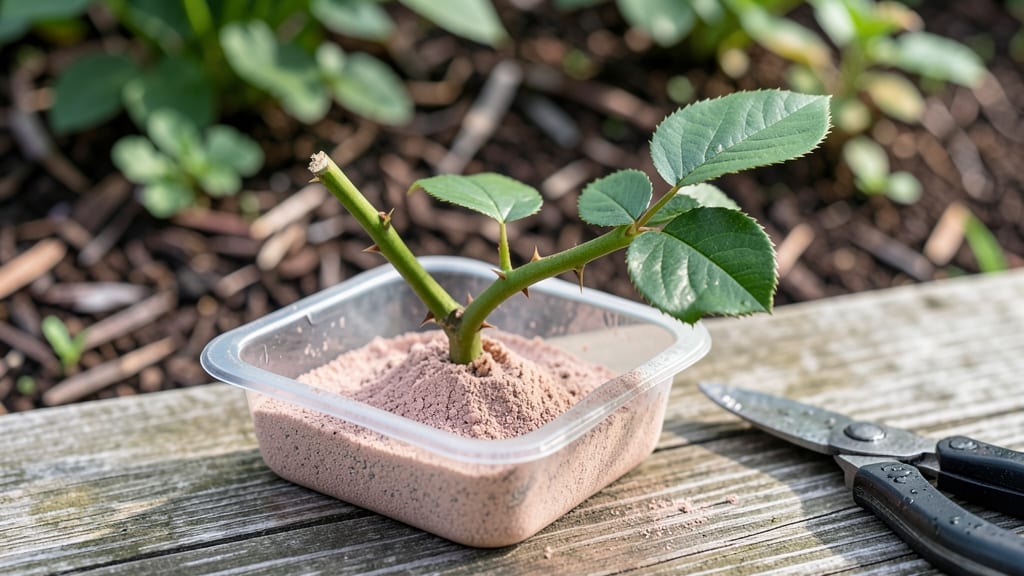
You can start roses from cuttings using the right technique, particularly with hybrid teas, floribundas, and climbing varieties, though success rates range from 20-60% when using rooting hormone and maintaining humidity.
This propagation method works best with semi-hardwood stems—those that are slightly woody but still green—collected in late spring or early summer when the plant is actively growing. 🌱 The key lies in balancing moisture and air circulation; too much water drowns cuttings, while too little prevents root development.
I’ve found that creating a makeshift greenhouse with a plastic bag over cuttings boosts survival rates, especially in dry climates.
The process isn’t just about cutting stems—timing matters too. For example, morning cuttings often fare better because they’re hydrated from overnight dew. Plus, different rose types respond uniquely: floribundas tend to root faster than hybrid teas, which require more patience.
Understanding these nuances can turn a hit-or-miss experiment into a reliable gardening skill.
💡 In This Article
- Best Rose Varieties for Successful Cuttings
- Step-by-Step Guide to Rooting Rose Cuttings
Best rose varieties for successful cuttings
The science behind why some roses root better than others comes down to their natural growth habits and hormonal responses. Hybrid teas, for example, have a strong rooting ability because they produce higher levels of auxin—a plant hormone that stimulates root growth—when stems are cut.
Floribundas also excel due to their flexible stems, which bend without snapping, a trait that helps them adapt to the stress of propagation. 🌿 Shrub roses, like 'Knock Out' varieties, thrive because their stems are semi-hardwood, meaning they're neither too soft (like new growth) nor too woody (like mature branches).
Seasonal timing plays a critical role too. The best time to take cuttings is during the plant's active growth phase—typically late spring or early summer—when days are long and temperatures hover around 65-75°F. At this stage, stems contain the right balance of water and nutrients to support root development.
For instance, a 4-6 inch cutting taken in June from a floribunda will root about 30-50% of the time, while the same cutting taken in September might only succeed 10-20% of the time due to reduced hormone activity.
Climbing roses, like 'New Dawn,' often root more successfully than their bush counterparts because their canes are longer and more flexible, allowing for better moisture retention in the cutting.
The key is selecting stems that are about pencil-thick—not too thin (which dries out quickly) and not too thick (which stores too much starch and roots poorly). 🌱 This "goldilocks" zone ensures the cutting has enough energy to focus on root growth rather than maintaining existing leaves.
What most gardeners overlook is the role of leaf placement. The top two-thirds of the cutting should have leaves to perform photosynthesis, while the bottom third should be stripped bare to prevent rot.
For example, a 5-inch cutting with 3-4 leaves (top) and a 1-inch bare stem (bottom) will root more reliably than one with leaves all the way down. This balance mimics how roses naturally propagate in the wild, where fallen branches often take root in moist soil.
Advanced gardeners swear by the "heel cut" technique for roses, where a small section of bark is included with the stem when cutting. This heel contains dormant buds and additional auxin, boosting rooting success by 10-20%.
For instance, when propagating a David Austin rose, using a heel cut can increase survival rates from 40% to 60%. The trade-off? Heel cuts require more precise cutting skills and may not work as well with very thick stems.
Finally, soil type matters. Roses prefer well-draining, sandy mixes because they hate soggy roots. A blend of 50% perlite and 50% peat moss creates the ideal airy environment for root development.
This mix allows oxygen to reach the roots while retaining enough moisture to keep the cutting hydrated—critical because roses are sensitive to both drought and waterlogging. 💧