
Flowers
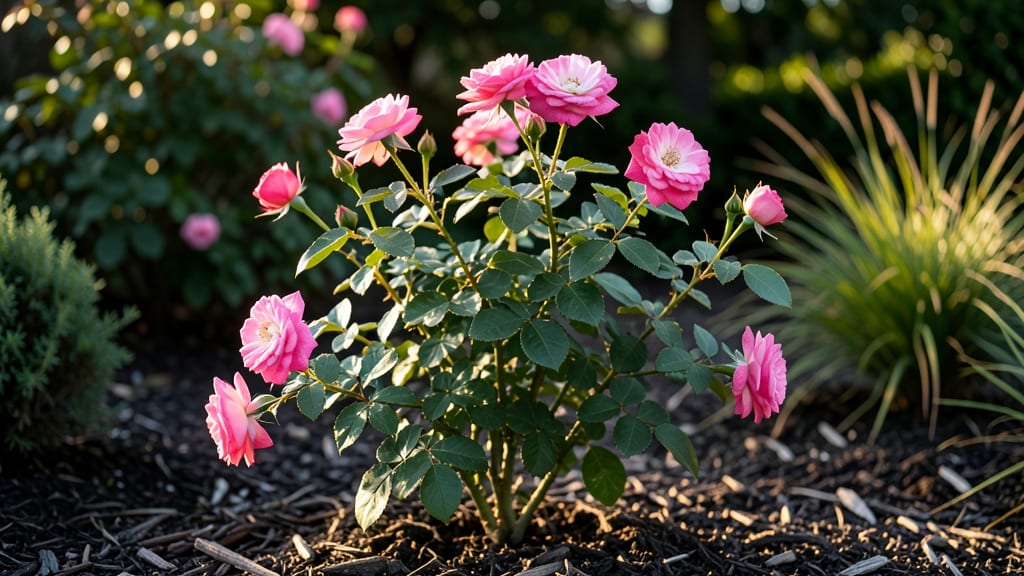
This pink lemonade rose isn't just another pretty face—it's a fragrant, year-round bloomer that turns containers into showstopping centerpieces. 🌸 I remember the first time I saw one in full bloom: the petals shimmered like crushed strawberries, and the citrusy scent lingered in the air long after I passed.
It's not just a climber; it's a conversation starter that works in everything from cottage gardens to sleek modern landscapes.
The real magic happens when you pair it right. Plant it alongside lavender for a fragrant combo that attracts bees, or tuck it near salvia to create a striking purple-and-pink contrast.
In containers, it thrives with dwarf hydrangeas or fuchsias, while in garden beds, it complements peonies and delphiniums for a romantic, old-world feel. The key is matching its vibrant pink with plants that either echo its color or provide bold contrast.
What you'll love most is how it performs—blooms from spring to frost, drought-tolerant once established, and that lemony fragrance that fills the air on warm evenings. It's the kind of plant that makes neighbors stop and ask, "What is that?"
(Hint: It's not just a rose—it's a garden highlight.) The secret to keeping it happy? Well-draining soil, morning sun, and regular pruning to encourage those lush, cascading blooms.
Whether you're dressing up a patio, adding height to a trellis, or creating a fragrant focal point, this rose delivers. It's versatile enough for small spaces but bold enough to anchor a whole garden design. Ready to make yours the talk of the neighborhood? Let's get planting!
📚 In This Guide
- What you need
- Instructions
- Tips and common mistakes
- Wrapping up and next steps
What you need
- ● Pink Lemonade Rose Bare-Root Plant or Container-Grown Rose: 1 healthy plant (check for strong canes and vibrant buds)
- ● Look for Rosa ‘Meiglylam’ or similar hybrid tea roses
- ● Well-Draining Potting Mix: 5–10 gallons (depending on container size)
- ● Recommended: 60% premium potting soil + 30% perlite/pumice + 10% compost
- ● Container (if growing in pots): Minimum 15–20 gallons (18–24" diameter for climbing varieties)
- ● Material: Glazed ceramic, fabric grow bags, or plastic with drainage holes
- ● Slow-Release Rose Fertilizer: 1–2 cups (follow package instructions for container vs. in-ground)
- ● Look for: High phosphorus (for blooms) + micronutrients like magnesium
- ● Organic Mulch: 2–3 inches of shredded bark or wood chips (retains moisture + regulates temperature)
- ● Garden Tools: Trowel or small shovel
- ● Pruning shears (sterilized with rubbing alcohol)
- ● Gloves (to protect from thorns)
- ● Support Structure (for containers): Trellis, obelisk, or cage (at least 6–8 feet tall for climbing)
- ○ Optional: Decorative metal arches or wall-mounted hooks
- ● Watering Can or Hose with Soaker Nozzle: Deep watering (1–2 gallons per container, 2–3x/week)
- ● Sunlight: 6+ hours of direct sun daily (partial shade in extreme heat)
- ○ Optional Extras: Rose food (liquid or granular, for mid-season boosts)
- ● Epsom salt (1 tbsp/month in water for magnesium)
- ● Fungicide spray (preventative for powdery mildew)
Step-by-step guide to growing Pink Lemonade roses in containers
Here's how to cultivate this fragrant, repeat-blooming beauty in pots for a stunning vertical display.
🪴 Step 1: Select the Right Container and Drainage
Choose a container at least 18 inches deep and wide—this rose needs room for its vigorous root system. I opt for glazed ceramic or fiberglass pots because they retain moisture while preventing root rot. Ensure the container has multiple drainage holes at the bottom; if not, drill 3-4 evenly spaced holes using a ½-inch drill bit.
Line the bottom with 2 inches of gravel or broken pottery shards to create an air gap that prevents waterlogging. The Pink Lemonade rose hates soggy roots, so this layer is critical. Place the pot on a saucer or cache pot to catch excess water and keep your patio clean. I always test drainage by filling the pot with water—it should empty completely within 10-15 minutes.
🌱 Step 2: Prepare the Soil Mix for Optimal Growth
Fill the container with a custom soil blend of 60% high-quality potting mix, 30% perlite or pumice, and 10% compost. This combination ensures aeration, moisture retention, and nutrient availability—critical for container roses. Avoid garden soil; it compacts easily and suffocates roots.
Mix the components thoroughly in a wheelbarrow or large bucket. The perlite creates air pockets, while the compost provides slow-release nutrients. I like to add 1 cup of slow-release rose fertilizer (10-10-10 or similar) to the mix before planting. Water the soil blend lightly until it reaches even moisture—squeeze a handful; it should hold together but not drip.
☀️ Step 3: Plant the Bare-Root or Container-Grown Rose
If planting a bare-root rose, soak the roots in lukewarm water for 2-3 hours before handling. This rehydrates the roots and reduces transplant shock. For container-grown roses, remove the plant from its nursery pot and gently loosen the roots if they're circling.
Position the rose so the graft union (the swollen area near the base) sits 1-2 inches below the soil line. This protects the plant from temperature fluctuations. Backfill with your prepared soil mix, pressing gently to eliminate air pockets. Water deeply until water runs out the drainage holes, then add 2 inches of mulch (like pine bark fines) to conserve moisture and regulate soil temperature.
💧 Step 4: Water and Fertilize for Consistent Blooms
Water the rose deeply every 2-3 days during the growing season, ensuring the top 4 inches of soil stay moist but not waterlogged. Check moisture by sticking your finger into the soil—if it feels dry at the first knuckle, it's time to water. In hot climates, you may need to water daily, while cooler weather allows for 3-4 days between waterings.
Feed the rose with a balanced liquid fertilizer (like 10-10-10) every 2 weeks during the growing season (spring through fall). Switch to a low-nitrogen, high-phosphorus formula (like 5-10-10) when buds form to encourage blooming. I also add 1 tablespoon of Epsom salt to the soil monthly to boost magnesium, which enhances flower production and fragrance.
✂️ Step 5: Prune and Train for Year-Round Blooms
Prune the rose twice a year: in early spring (just as new growth begins) and late fall (after blooming slows). Remove dead, diseased, or crossing branches first, then cut back one-third of the plant’s height to encourage bushiness. Always prune just above a 5-leaf cluster (the leaf axil) to stimulate new growth.
Train the rose to climb by tying new canes to a trellis, obelisk, or sturdy stake using soft plant ties or old pantyhose. This vertical support prevents flopping and improves air circulation, reducing disease risk. Deadhead spent blooms weekly to redirect energy into new flowers. With proper care, your Pink Lemonade rose will reward you with continuous blooms from spring through fall—and even a few in winter if temperatures stay above 20°F.
Tips & tricks for perfect Pink Lemonade rose cultivation
These insider strategies will help you coax the most vibrant blooms and fragrant growth from your container-grown Pink Lemonade rose.
Container Selection Wisdom: The 18-inch minimum depth isn't just arbitrary—this rose's vigorous root system needs room to establish. If you're using a decorative container without drainage, consider nesting it inside a larger cache pot with drainage holes. I've found that fiberglass pots actually outperform ceramic ones in hot climates because they don't overheat like glazed ceramic can. The 10-15 minute drainage test is non-negotiable; if water pools longer than that, your rose will suffer from root rot.
Soil Mix Precision: That 60-30-10 ratio of potting mix to perlite to compost is your secret weapon for container roses. The perlite creates essential air pockets that prevent compaction, while the compost provides the slow-release nutrients these thirsty plants crave. Pro tip: Before planting, mix in that 1 cup of slow-release fertilizer—it'll give your rose a nutrient boost right when it needs it most during establishment.
Root Care Technique: For bare-root roses, those 2-3 hours of soaking aren't just about hydration—they're about reviving the roots after their dormant state. I like to add a splash of rooting hormone to the water for extra insurance. When handling container-grown roses, gently tease apart any circling roots—this encourages outward growth rather than the suffocating spiral pattern that can strangle your plant.
Winter Survival Strategy: The 20°F threshold isn't just a number—it's your plant's critical cold tolerance limit. If winter temperatures dip below this in your area, move your container to a sheltered location or wrap it in bubble wrap. I've successfully overwintered mine on a covered porch where temperatures hover around 30°F, and it bloomed beautifully the following spring. Just remember to reduce watering significantly during dormancy.
Pro Tips for Pink Lemonade Rose
- These insider strategies will help you coax the most vibrant blooms and fragrant growth from your container-grown Pin...
- Container Selection Wisdom: The 18-inch minimum depth isn't just arbitrary—this rose's vigorous root system needs roo...
- Soil Mix Precision: That 60-30-10 ratio of potting mix to perlite to compost is your secret weapon for container rose...
Frequently asked questions
about growing and caring for Pink Lemonade Rose—your go-to guide for fragrant, year-round blooms in containers!Can Pink Lemonade Roses thrive in containers year-round?
The Pink Lemonade Rose is a dwarf, cold-hardy climber (USDA Zones 4–9), making it perfect for containers! With proper winter protection—like wrapping the pot in burlap or moving it to a sheltered spot—it can bloom year-round in mild climates. In colder zones, expect dormancy but vigorous regrowth in spring.
How often should I fertilize Pink Lemonade Roses in pots?
Feed your rose every 4–6 weeks during the growing season (spring to fall) with a balanced, water-soluble fertilizer (e.g., 10-10-10 or rose-specific formula). Reduce feeding in winter (every 8–12 weeks) unless it’s blooming. Pro tip: Flush the soil with water monthly to prevent salt buildup!
Why aren’t my Pink Lemonade Roses blooming as much as expected?
Less blooming often signals overcrowded roots, poor nutrition, or inconsistent watering. Check these fixes:
- Repot if roots circle the container (spring is ideal).
- Ensure 6+ hours of sunlight daily—partial shade reduces blooms.
- Water deeply when the top 1–2 inches of soil dry out (avoid soggy pots!).
- Deadhead spent blooms to encourage new flowers.
What’s the best container size for Pink Lemonade Roses?
Aim for a minimum 15–20 gallon container (18+ inches deep) with drainage holes. Smaller pots (5–10 gallons) work for single-stem plants but may need frequent watering and fertilizing. Use lightweight, breathable materials like fabric grow bags or terra cotta to prevent root rot.
How do I protect Pink Lemonade Roses from pests in containers?
Container roses are prone to aphids, spider mites, and Japanese beetles. Try these organic solutions:
- Neem oil spray (weekly preventative).
- Introduce ladybugs or lacewings for natural pest control.
- Remove infested leaves and prune for airflow.
- Use reflective mulch (like aluminum foil) to deter beetles.
Do Pink Lemonade Roses need winter care in pots?
Yes! In Zones 4–6, wrap the pot in bubble wrap or frost cloth and add mulch around the base. Move it to a north-facing wall or garage (above freezing). In Zones 7–9, reduce watering and fertilizing but keep it in a sheltered spot. Pro tip: Prune lightly in late winter to shape the plant!
Wrapping up and next steps
The Pink Lemonade Rose is a showstopper for container gardening—packing bold color, intoxicating fragrance, and year-round blooms with minimal fuss. Whether you’re a seasoned gardener or a beginner, its adaptability and charm make it the perfect addition to patios, balconies, or even cozy windowsills. 🌸
Ready to bring this fragrant beauty into your space? Start by gathering your supplies, then choose a sunny spot and a sturdy container. With a little care, you’ll be rewarded with vibrant blooms that turn heads and fill the air with sweet citrusy notes. Happy planting!