
Pruning
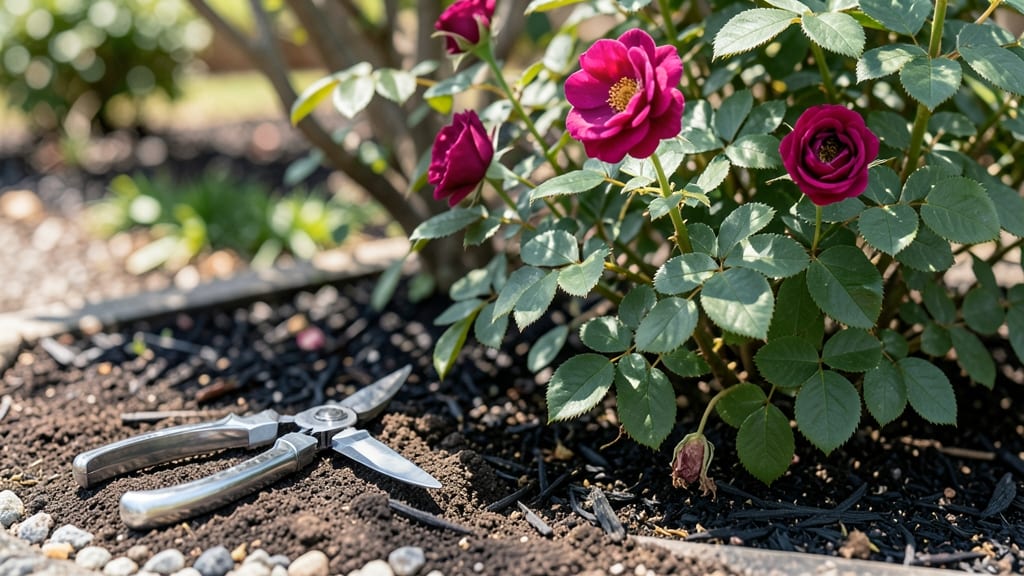
Master the art of deadheading roses with pictures to transform your garden into a blooming paradise—here’s how to keep those leggy stems at bay for endless summer color. ✂️ but once I mastered the technique, my roses bloomed for three full months instead of just six weeks.
The process is simpler than it looks: you're just removing faded flowers to redirect the plant's energy. Start by spotting blooms with wilted petals or seed pods forming—those are your targets.
A sharp pair of pruners and a clean bucket for spent blooms are all you need, plus 10 minutes on a sunny afternoon. What you'll end up with is roses that look fuller, bloom more prolifically, and stay healthy longer.
The key is timing: deadhead right after blooms fade, but never cut into fresh green growth—always look for the first set of five leaves below the bloom. Works for hybrid teas, floribundas, and even climbing roses.
Here's exactly where and how to make each cut for maximum impact—no more guesswork, just foolproof results.
📚 In This Guide
- What you need
- Instructions
- Tips and common mistakes
- Wrapping up and next steps
What you need
- ● Pruning shears – Bypass-style (sharp, clean blades, 5-7" length) for precise cuts. Quantity: 1
- ● Garden gloves – Heavy-duty, cut-resistant (e.g., nitrile or leather) to protect hands from thorns. Quantity: 1 pair
- ● Disinfectant (70% isopropyl alcohol or bleach solution) – 1:9 bleach-to-water ratio to sterilize tools between cuts and prevent disease. Quantity: Small bottle or spray
- ○ Garden twine or plant ties – Optional but helpful for securing heavy rose canes after pruning. Quantity: Small roll
- ● Bucket or trash bag – For collecting spent blooms and debris. Quantity: 1
- ● Watering can or hose – To hydrate roses post-pruning. Quantity: 1
- ● Hand pruners – For smaller, hard-to-reach blooms. Quantity: 1 pair
- ● Garden kneeler/pad – For comfort during low-to-the-ground pruning. Quantity: 1
- ● Compost bin or bag – To recycle pruned blooms into nutrient-rich compost.
- ● Rose fertilizer – Balanced (10-10-10) or rose-specific to replenish nutrients after pruning.
How to deadhead roses for continuous blooms
Here’s the simple method I use to keep my roses flowering all season—no fancy tools, just a few clean cuts.
✂️ Step 1: Wait for the Right Time
Deadhead roses immediately after a bloom fades completely—when the petals start to curl and drop. If you wait too long, the flower head turns brown and attracts pests. I always check blooms in the morning when petals are fully open or just beginning to wilt.
Never cut a bud that’s still tightly closed. Those buds are already programmed to bloom, and removing them wastes energy. Instead, focus on spent blooms with drooping or crinkled petals—that’s your cue to act.
✂️ Step 2: Use Clean, Sharp Pruners
Grab your pruners and make a 45-degree angle cut about ¼ inch above a leaf node (the bump where a leaf or stem grows). This angle helps water run off the cut and prevents rot. If your pruners are dull, they’ll crush stems instead of cutting cleanly.
I always wipe the blades with rubbing alcohol before and after use—this keeps cuts sterile and prevents disease from spreading between plants. Skip the scissors; their small blades can’t handle thick rose stems without damaging them.
✂️ Step 3: Remove the Stem Below the Cut
After cutting the flower head, look for the small leaf or bud just below your cut. This is called the "leaf node" or "bud union." Snip the stem just above this node—never leave a stub. You’ll see new growth sprout from this spot in 2-3 weeks.
If you leave a long stem, the plant wastes energy maintaining it instead of producing new blooms. I like to pinch off any tiny side buds near the cut too—they’ll just compete with your main bloom for nutrients.
🌿 Step 4: Encourage New Growth
After deadheading, give your rose a light drink of water at the base. The plant needs moisture to recover from the cut and push out new growth. In hot weather, I water deeply the next morning to help the roots absorb nutrients.
Watch for new buds forming at the leaf nodes within 7-10 days. These will grow into your next round of blooms. If you see leggy or weak stems, your rose might need more sunlight or fertilizer—just a little extra care keeps them thriving.
⏰ Step 5: Repeat Weekly for Best Results
Deadheading isn’t a one-time job—it’s an ongoing process. I check my roses every 5-7 days during peak bloom season (spring to fall) to keep them producing flowers. The more you remove spent blooms, the more energy the plant puts into new ones.
Here’s the thing—if you skip deadheading, your roses will still bloom, but they’ll focus all their energy on seed production instead. That means fewer flowers and more hips (those red berries) taking over your plant. Keep those pruners handy!
Tips & tricks for perfect rose deadheading
Here's what nobody tells you about keeping roses blooming all season—these tricks make all the difference.
Timing Tip: Morning is the best time to deadhead because that's when you'll spot blooms at their most obvious fading stage. I always carry a small notepad to track which roses bloom first—this helps me stay ahead of the game. The key is catching those drooping or crinkled petals before they turn brown, which can attract pests like aphids. If you see any brown petals still clinging after your cut, those blooms were past their prime and should have been removed earlier.
Equipment Matters: Your pruners are more important than you think. I use a pair of bypass pruners specifically for roses—they make clean cuts that heal faster. Before you start, wipe the blades with rubbing alcohol to prevent spreading any hidden bacteria from your last cut. And here's a pro move: I keep a small bottle of rubbing alcohol in my gardening toolkit to clean blades between plants. Never use scissors—they'll crush stems instead of cutting cleanly, which can damage your roses.
Growth Hack: After making your cut, look for the small leaf or bud just below it—that's your new bloom's starting point. I like to make a second tiny cut right above this node to encourage new growth. You'll see tiny buds forming in 7-10 days at these spots. This is where the magic happens! If you leave a long stem, your rose will waste energy maintaining it instead of producing new flowers. Think of each cut as an investment in your next beautiful bloom.
Seasonal Strategy: During peak bloom season (spring to fall), I set a reminder to check my roses every 5-7 days. This keeps me consistent without feeling like a chore. In cooler months, you can extend this to every 10-14 days since roses bloom less frequently. The more consistently you remove spent blooms, the more energy your rose puts into producing new ones instead of seed pods (those red hips). It's like giving your plant permission to keep creating beauty instead of focusing on reproduction.
Pro Tips for Deadheading Roses With Pictures
- Here's what nobody tells you about keeping roses blooming all season—these tricks make all the difference.
- Timing Tip: Morning is the best time to deadhead because that's when you'll spot blooms at their most obvious fading ...
- Equipment Matters: Your pruners are more important than you think. I use a pair of bypass pruners specifically for ro...
Frequently asked questions
Got questions about deadheading roses? You’re not alone! Here are answers to the most common concerns—from timing to tools—to keep your roses blooming beautifully all season.
When is the best time to deadhead roses?
Deadhead roses after they’ve fully bloomed and the petals start wilting. For repeat-blooming varieties (like hybrid teas or floribundas), snip spent blooms every 2–3 days during peak bloom. For once-blooming roses (like shrub roses), wait until the hips form in fall to prune. Check our guide for seasonal deadheading schedules!
Do I need special tools to deadhead roses?
Nope! You can use clean, sharp bypass pruners or even your fingers for small blooms. For thick stems, invest in disease-resistant pruners (like Felco or Corona) to avoid spreading bacteria. Never reuse hedge clippers—they can damage stems. A pair of gloves also helps if thorns are a nuisance!
What if I accidentally cut into a leaf or stem?
Don’t panic! Small cuts on healthy green stems will heal, but avoid cutting into woody or brown stems. If you nick a leaf, just trim it back to the nearest bud or leaf node. For larger mistakes, apply a copper fungicide to prevent infection. Pro tip: Learn how to spot healthy vs. damaged growth before pruning!
Can I deadhead roses in rain or humidity?
Wait for dry, sunny conditions to deadhead—moisture can spread fungal diseases like black spot or powdery mildew through open cuts. If you must prune after rain, sterilize your tools with rubbing alcohol first. Morning is ideal: stems are firm, and airflow helps wounds dry faster.
What should I do with the cut roses after deadheading?
Use them! Toss wilting blooms into a compost bin (they’ll break down quickly) or arrange them in a wildflower bouquet for your garden. Avoid composting if your roses have pests or disease—bag and discard those instead. Bonus: Save seed hips (like on Knock Out roses) for winter bird feeders!
What’s the difference between deadheading and pruning?
Deadheading = removing spent blooms to encourage more flowers. Pruning = cutting back entire stems or branches for shape, health, or winter prep. Think of deadheading as a daily maintenance task, while pruning happens seasonally (spring/fall). Both keep roses thriving!
Wrapping up and next steps
Deadheading roses isn’t just about keeping your garden tidy—it’s the secret to longer, healthier blooms and a showstopping rosebed! 🌹 By following these simple steps, you’ll encourage your roses to focus their energy on producing more flowers, not seed pods.
Whether you’re a seasoned gardener or just starting out, a little pruning goes a long way.
Ready to see the difference? Grab your pruners and give it a try this weekend. Your roses—and your neighbors—will thank you! For even more tips, check out our guide on rose care basics next.