
Pruning
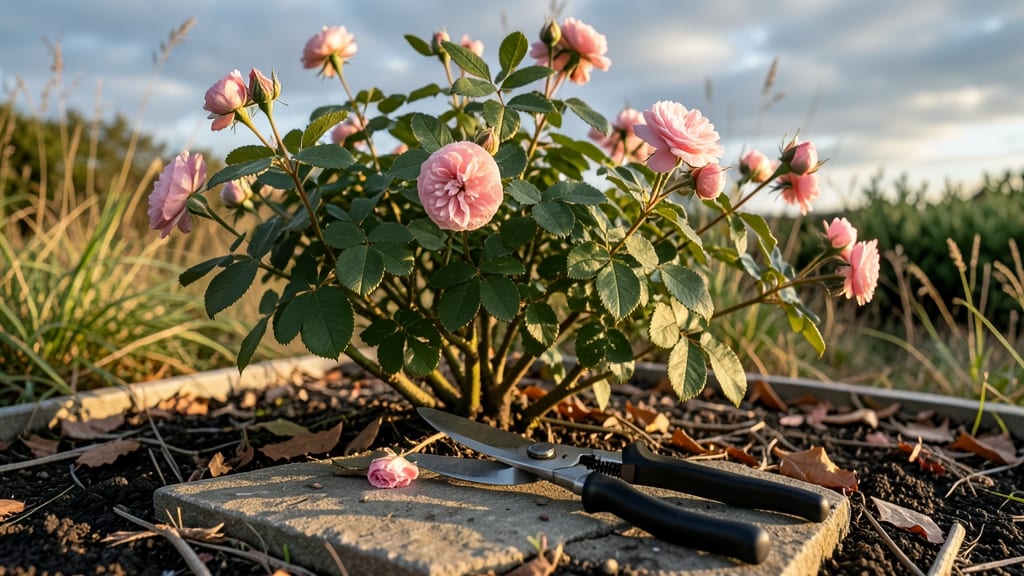
Your drift roses are begging for a haircut—cutting back drift roses in late winter transforms them from scraggly to showstopping. 🌹 I’ve pruned mine for five years, and the difference between a tired bush and one bursting with blooms comes down to timing, technique, and a sharp pair of shears.
The key? Three strategic trims a year, not just one. Start with clean tools—sterilized shears prevent disease—and focus on removing dead wood first. Then, cut back last year’s growth by one-third, always at a 45-degree angle just above an outward-facing bud.
This shapes the plant and encourages bushier growth, not just taller stems. The secret? Prune when the plant is dormant but the weather’s mild—late February in most zones works perfectly. After trimming, feed them with balanced fertilizer (10-10-10) to fuel new growth, and mulch to retain moisture.
You’ll see fresh green shoots within 2-3 weeks, and by summer, your roses will be so lush they’ll make neighbors jealous. The trick is patience—rush the process, and you’ll end up with leggy, sparse bushes.
Avoid these mistakes: don’t cut into old wood (no green = no regrowth), and never prune after the first flush of blooms in spring. With the right approach, your drift roses will reward you with continuous blooms from early summer through fall. Now grab those shears—your roses are waiting!
📚 In This Guide
- What you need
- Instructions
- Tips and common mistakes
- Wrapping up and next steps
What you need
- ● Pruning shears: Bypass pruners (sharp, clean, and sterilized with rubbing alcohol to prevent disease). Pro tip: 💡 Invest in a pair with ergonomic grips if you’ve got thick stems!
- ● Loppers: For thicker branches (1–2” diameter). Look for bypass-style loppers with a 4–6’ reach.
- ○ Hand pruners (falcon-type): For precision cuts on smaller stems (optional but highly recommended for detail work).
- ● Garden gloves: Cut-resistant (like mechanized or Kevlar-reinforced) to protect from thorns and scrapes.
- ● Disposable pruning bags: 1–2 heavy-duty bags (20–30 gallon capacity) to collect clippings and debris.
- ● Rubbing alcohol (70%+ isopropyl) or bleach solution: For sterilizing tools between cuts (mix 1 part bleach to 9 parts water).
- ● Sharpie or permanent marker: To mark branches for removal (if needed).
- ● Hose with nozzle: For cleaning tools and rinsing off sap/resin.
- ● Saw (pruning or bow saw): For thick, woody stems (3”+ diameter). A curved blade reduces tear-out.
- ● Extension pole: Attach your loppers to reach high branches without a ladder (6–10’ models work best).
- ● Septic tank-friendly pruning sealant: For large cuts (e.g., Tanglefoot Tree Wound Pruning Sealer).
- ● Compost bin or wheelbarrow: To haul away pruned material for mulch or compost.
- ● Safety glasses: Protect your eyes from flying debris (especially when using a saw!).
- ● Check the weather: Trim on a dry, cloudy day (avoid midday heat or rain).
- ● Gather info: Know your drift rose’s growth habit (e.g., shrub vs. climbing) and last pruning date.
- ● Clear the area: Lay down cardboard or a tarp to collect debris easily.
- ● Hydrate your roses: Water deeply 24–48 hours before pruning to reduce stress.
Step-by-Step guide to revitalizing drift roses
Here's how I refresh drift roses seasonally—three clean cuts that keep them blooming like new.
✂️ Step 1: Late Winter Prune for New Growth
Wait until your last frost date has passed and new growth begins—you'll see tiny green buds forming at the base of stems. This is your signal to prune. Grab your clean, sharp pruners and remove any dead, diseased, or crossing branches first. Cut just above an outward-facing bud at a 45-degree angle to encourage water runoff.
Next, cut back the remaining canes by about one-third of their height. I like to make my cuts just above a strong, healthy bud that faces outward. This opens up the center of the plant for better airflow and sunlight penetration. If your roses look particularly leggy, you can cut back even more aggressively—just leave at least 3-4 buds on each stem.
☀️ Step 2: Mid-Season Trim for Shape and Blooms
About 6-8 weeks after your first prune, or when you notice the plant getting too dense, it's time for your mid-season trim. This is where you shape the plant and encourage more blooms. Start by removing any branches that are growing inward or crossing over others—these compete for sunlight and air circulation.
Look for spent blooms and cut them back to just above the first set of five-leaflets. This encourages the plant to produce more flowers instead of seed pods. I always step back and look at the overall shape—aim for a rounded, open form. If a branch looks weak or leggy, you can cut it back by half to stimulate bushier growth.
✂️ Step 3: Post-Bloom Cleanup for Fall Renewal
After your drift roses finish blooming in late summer or early fall, give them a final trim. Cut back all the spent blooms and any branches that look tired or overgrown. This time, you can be a bit more aggressive—cut back canes by about one-third again, but leave at least 2-3 buds on each stem.
Remove any branches that are rubbing against each other or growing in awkward directions. This is also a great time to thin out the center of the plant to improve airflow. Once you're done, your roses should look open and airy, ready to rest through winter. I always clean up all the debris around the base of the plant to prevent disease.
🌿 Step 4: Light Winter Prune for Shape (Optional)
If your drift roses look particularly messy after winter, you can do a light prune in early spring before new growth starts. Simply remove any dead, diseased, or crossing branches. Cut back any branches that are growing too long or leggy by about one-quarter of their length. This keeps the plant tidy and encourages new growth in the right places.
I also like to check for any suckers—those are shoots growing from the base of the plant or from the ground. These can be removed completely, as they take energy away from the main plant. Be gentle with your cuts—you don't want to damage the main canes. Once you're done, your drift roses should be ready to burst into bloom again.
Tips & tricks for perfectly pruned drift roses
These seasonal pruning secrets will keep your drift roses thriving—and blooming—all year long.
Timing is Everything: I can't stress this enough—wait for those tiny green buds to appear before your first prune in late winter. These buds signal the plant is ready to grow, and cutting too early can damage dormant buds. For the mid-season trim, the 6-8 week window after your first prune is ideal, but always check for dense growth first. If your roses bloom earlier or later than expected, adjust your timing accordingly—watch the plant, not the calendar.
Bud Selection Matters: When making cuts, always aim for outward-facing buds. These buds will grow away from the center, creating a naturally open shape that improves airflow and sunlight penetration. I like to visualize the plant's final shape before making each cut—this helps me avoid creating a dense, tangled mess. For leggy branches, cutting back to just 3-4 buds works wonders for encouraging bushier growth.
Clean Cuts Prevent Disease: Sterilize your pruners between cuts using rubbing alcohol or a bleach solution. This prevents spreading disease from dead or infected branches to healthy ones. Also, make clean cuts at a 45-degree angle about 1/4 inch above an outward-facing bud. This angle helps water runoff, reducing the risk of rot. I always clean up all fallen leaves and debris after pruning to keep the base of the plant disease-free.
Seasonal Adjustments: In Step 3, when you're doing your post-bloom cleanup, don't be afraid to be more aggressive—cutting back by one-third again helps prepare the plant for winter. For the optional light winter prune in Step 4, focus on removing crossing branches and suckers rather than drastic cuts. This keeps the plant tidy without shocking it before spring growth begins.
Pro Tips for Cutting Back Drift Roses
- These seasonal pruning secrets will keep your drift roses thriving—and blooming—all year long.
- Timing is Everything: I can't stress this enough—wait for those tiny green buds to appear before your first prune in late winter.
- Bud Selection Matters: When making cuts, always aim for outward-facing buds.
Frequently asked questions
Got questions about cutting back drift roses? You’re not alone! Here are some of the most common concerns—plus straightforward answers to keep your roses thriving.
When is the best time to trim drift roses?
Drift roses benefit from three seasonal trims: a light cleanup in early spring (after frost), a mid-season shape-up in late spring/early summer, and a final hard prune in late fall or early winter. Avoid heavy cuts in extreme heat or cold—roses need energy to recover!
How much can I cut back drift roses in winter?
For winter pruning, cut back one-third to half of the plant’s height, removing dead, diseased, or crossing branches first. Focus on opening the center for airflow—this encourages stronger blooms in spring. Never prune below the “graft union” (the swollen bump near the base).
What if my drift roses bleed sap after pruning?
Sap bleeding (a sticky residue) is normal but can attract pests. To minimize it, prune on a cool, cloudy day and avoid cutting into wet wood. Seal cuts with pruning sealer only if your roses are prone to fungal issues—otherwise, let them dry and callus naturally.
Can I prune drift roses too much?
Yes! Over-pruning (cutting back more than 50% of the plant) can stress drift roses, reducing blooms and vigor. Stick to the “thirds rule”: never remove more than a third of the plant in a single season. If you’ve already overdone it, skip heavy cuts this year and focus on feeding/fertilizing.
Are there alternatives to pruning drift roses?
If pruning feels overwhelming, try selective deadheading (removing spent blooms) to encourage reblooming, or a light shaping trim just to tidy up. For severely neglected roses, a “reset prune” (cutting back to 12–18 inches) in early spring can revive them—just be patient for regrowth!
Wrapping up and next steps
Cutting back drift roses isn’t just about tidying up—it’s about revitalizing your plants for years of vibrant blooms! By mastering the three seasonal trims (early spring, post-bloom, and late summer), you’ll encourage healthier growth, prevent disease, and enjoy stunning, repeat flowers. 🌸
Now that you’re equipped with the right tools, timing, and techniques, it’s time to roll up your sleeves! Start with one section of your garden—confidence grows with progress.
Before you know it, your drift roses will be the star of the show, blooming bigger and brighter than ever. Happy pruning! ✂️💪