
Pruning
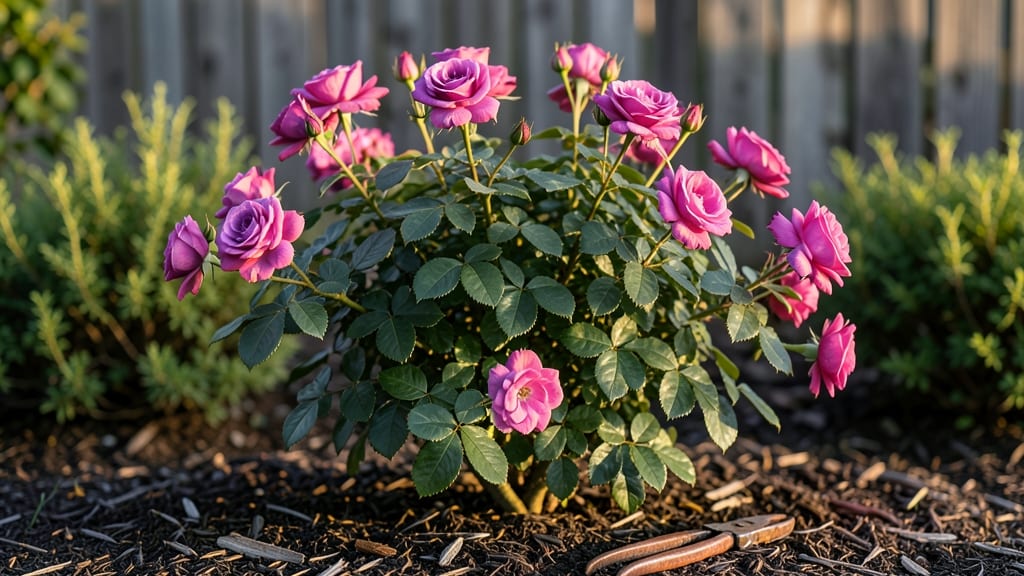
The roses and sunset glow together like a secret—pruning them strategically ensures they burst with color and scent exactly when the light softens, turning your garden into a dusk-time sanctuary. 🌹 I’ve designed this approach to keep roses blooming reliably from late spring through fall, their petals catching the last sunlight like stained glass.
The key is shaping them in three simple cuts that encourage dense growth where you want it—right at eye level when you’re sitting on the patio. You’ll end up with roses that smell like summer even in cooler months, their fragrance lingering long after the sun dips.
Pair them with silver foliage plants and soft white blooms to create a moonlit glow effect that lasts until dark. This works for any rose type—climbing, shrub, or hybrid—and adapts to both formal hedges and wild, romantic drifts. Let’s make your garden the talk of the neighborhood after sundown.
📚 In This Guide
- What you need
- Instructions
- Tips and common mistakes
- Wrapping up and next steps
What you need
- ● Pruning shears: Bypass pruners (sharp, clean, and sterilized with rubbing alcohol to prevent disease). Quantity: 1 pair (or 2 if you have a large garden).
- ● Hand pruners: For smaller stems and tight spaces. Quantity: 1 pair.
- ● Loppers: For thicker branches (½" to 1½" diameter). Quantity: 1 pair.
- ● Gloves: Heavy-duty gardening gloves (cut-resistant for safety). Quantity: 1 pair.
- ● Disinfectant: 70% isopropyl alcohol or a commercial pruning sealant (like Pruning Seal). Quantity: Small bottle.
- ● Pruning saw: For stubborn, thick branches (if needed). Quantity: 1.
- ○ Marking twine or flags: To tag branches for removal (optional but helpful for complex pruning). Quantity: Small roll.
- ● Rake or broom: To clear fallen leaves and debris after pruning.
- ● Garden kneeler: For comfort while working close to the ground.
- ● Pruning guide or diagram: Printed or digital reference for your rose’s specific variety.
- ● Compost bin or bag: To collect pruned branches for mulch or disposal.
- ● Sunscreen & hat: Because even pruning under the golden sunset can get sunny!
Instructions for pruning roses to extend their sunset beauty
Here’s how I keep roses blooming vibrantly through every season—no fancy tools, just sharp cuts and a little patience.
✂️ Step 1: Prune in Late Winter or Early Spring
Wait until your last frost date has passed, but before new growth starts. You’ll know it’s time when buds begin to swell—this is the moment roses wake up from dormancy. Use clean, sharp pruners to make cuts at a 45-degree angle, about ¼ inch above an outward-facing bud. This angle helps rainwater run off instead of pooling on the cut.
Remove any dead, diseased, or crossing branches first. These are easy to spot—they’re either brown and brittle or growing inward toward the center of the plant. I always start with these because they’re the biggest eyesores and can spread problems to healthy growth. Cut back to a healthy bud or branch, never leaving stubs.
🌿 Step 2: Shape for Airflow and Light
Step back and visualize your rose as a vase shape—wide at the base, narrowing toward the top. This isn’t just for looks; it ensures airflow circulates through the plant, reducing humidity where fungal diseases like black spot love to thrive. Aim to open up the center so light reaches all the way to the base.
Look for branches that are growing straight up or rubbing against others. These are prime candidates for removal. You’ll see them as thin, spindly stems that don’t contribute to the plant’s structure. Cut them back to a strong lateral branch or bud. This might seem drastic, but trust me—your roses will thank you with thicker, healthier growth.
☀️ Step 3: Encourage New Growth with Strategic Cuts
After shaping, focus on the remaining branches. Cut back each stem to a point where you can see 3-5 strong buds remaining. This ensures you’re leaving enough energy in the plant to produce new, vigorous shoots. If a branch is old and woody, you can cut it back even more aggressively—sometimes all the way to the ground if it’s no longer producing blooms.
Here’s the thing—roses bloom on new wood, so the more you prune correctly, the more flowers you’ll get. After pruning, your plant might look sparse, but within 2-3 weeks, you’ll see fresh green shoots emerging from those buds. That’s your reward for the hard work.
💧 Step 4: Clean Up and Fertilize for Recovery
Rake up all the pruned branches and dispose of them in the trash—not the compost pile. Diseased branches can spread pathogens, and even healthy ones can harbor pests. Once the area is clear, give your roses a light layer of 2-3 inches of mulch around the base to retain moisture and suppress weeds.
Wait 4-6 weeks after pruning before fertilizing. This gives the plant time to heal and establish new growth. When you do fertilize, use a balanced rose fertilizer (like 10-10-10) to encourage strong, fragrant blooms. Water deeply after applying fertilizer to help it soak into the soil.
⏰ Step 5: Monitor and Maintain Through the Season
Throughout the growing season, keep an eye out for spent blooms. Deadhead them regularly—this means cutting just above a set of healthy leaves or buds. It might seem tedious, but it redirects the plant’s energy into producing more flowers instead of seed pods. I do this every 2-3 days during peak bloom time.
Watch for signs of stress, like yellowing leaves or stunted growth. These can signal overwatering, underwatering, or nutrient deficiencies. Adjust your care routine accordingly—roses are resilient, but they do need consistent moisture and nutrients to perform their best. A little attention goes a long way in keeping them blooming beautifully at sunset.
Tips & tricks for pruning roses to extend their sunset beauty
Here's what nobody tells you about pruning roses—these little details make all the difference between a tired-looking bush and one that bursts with color at golden hour.
Tool Prep: Before you even touch a branch, sanitize your pruners with rubbing alcohol or a 10% bleach solution. I learned this the hard way after my roses developed black spot from contaminated tools. Sharp, clean pruners make precise cuts that heal faster—dull blades crush stems, inviting disease. Test your sharpness by slicing through a piece of paper; if it tears, your blades need honing.
Bud Selection Strategy: When cutting back to a bud, look for ones that face outward on the branch. These buds will grow away from the center, creating that beautiful vase shape we want. I always count 3-5 buds per stem—this is your magic number for balanced growth. Pro tip: The outer buds will produce the most vibrant blooms, perfect for those sunset photos you’ll be taking all season.
Seasonal Timing Secret: If you miss the late winter/early spring window, don't panic—roses are forgiving! You can do a light pruning in summer after blooming to remove dead wood and shape the plant. Just avoid heavy pruning in fall, as new growth won't harden off before winter. I've even pruned in early spring if we have an unusually warm winter, but always wait until those buds start swelling.
Post-Prune Care: After your big pruning day, don't just walk away! Water deeply to help the plant recover, then apply a layer of mulch to protect roots. I've found that roses pruned in late winter need that extra moisture as they wake up. And here's a little-known trick: Mix a tablespoon of aspirin (yes, the pain reliever!) into a gallon of water and spray it on your roses after pruning. It boosts their immune system and helps prevent fungal issues.
Pro Tips for Roses And Sunset
- Here's what nobody tells you about pruning roses—these little details make all the difference between a tired-looking bush and one that bursts with color at golden hour.
- Tool Prep: Before you even touch a branch, sanitize your pruners with rubbing alcohol or a 10% bleach solution.
- Bud Selection Strategy: When cutting back to a bud, look for ones that face outward on the branch.
Frequently asked questions
Got questions about keeping your roses blooming beautifully at sunset (and beyond)? Here are some of the most common queries—plus quick answers to help you prune like a pro!
When is the best time to prune roses for sunset-season blooms?
Prune your roses in early spring (just as new growth starts) or late winter (before buds swell). For a stunning sunset display, avoid heavy pruning in summer—just trim dead or overgrown stems after blooms fade. This keeps energy focused on vibrant, fragrant flowers when the sun dips low.
How often should I prune roses to maintain fragrance?
Prune roses 2-3 times a year: once in late winter, again after spring blooms, and lightly after summer flowers. Deadhead (trim spent blooms) weekly to encourage continuous fragrance. Over-pruning weakens plants, so aim for 1/3 of the plant’s height max per session. Think "less is more" for long-lasting scent!
Can I prune roses at sunset for better results?
Nope! Prune during daylight hours (early morning is best) to let cuts dry and seal naturally. Sunset pruning risks fungal issues from overnight moisture. If you must trim later, sterilize tools with rubbing alcohol and avoid wet foliage. Roses reward patience—save the golden-hour magic for admiring your handiwork, not the pruning itself.
What if my roses look sad after pruning?
Don’t panic! Trimmed roses may look bare at first, but they’re rebooting. Water deeply, feed with balanced fertilizer, and mulch to retain moisture. In 4-6 weeks, you’ll see fresh growth—and those sunset-scented blooms will return stronger. Pro tip: Avoid heavy pruning in fall (dormancy season) unless removing dead wood.
Are there fragrant rose alternatives if pruning feels overwhelming?
Try jasmine, gardenias, or mock orange for sunset-scented ease. These thrive with minimal pruning and perfume the air naturally. For roses, opt for hybrid teas or David Austins—they’re forgiving and burst with fragrance. Even a single well-pruned rose bush can outshine a bouquet of alternatives at dusk!
Wrapping up and next steps
There you have it—your ultimate blueprint for keeping roses blooming and fragrant year-round! 🌹 With the right tools, timing, and technique, you can transform your garden into a sunset-inspired paradise that delights the senses.
Remember, pruning isn’t just about cutting back; it’s about nurturing growth and inviting nature’s sweetest scents into your space.
Ready to take the next step? Start small—pick one rose bush this weekend and give it the care it deserves. Before you know it, your garden will be a fragrant sanctuary, greeting every sunset with beauty and grace. Happy pruning! 🌅✨