
Size
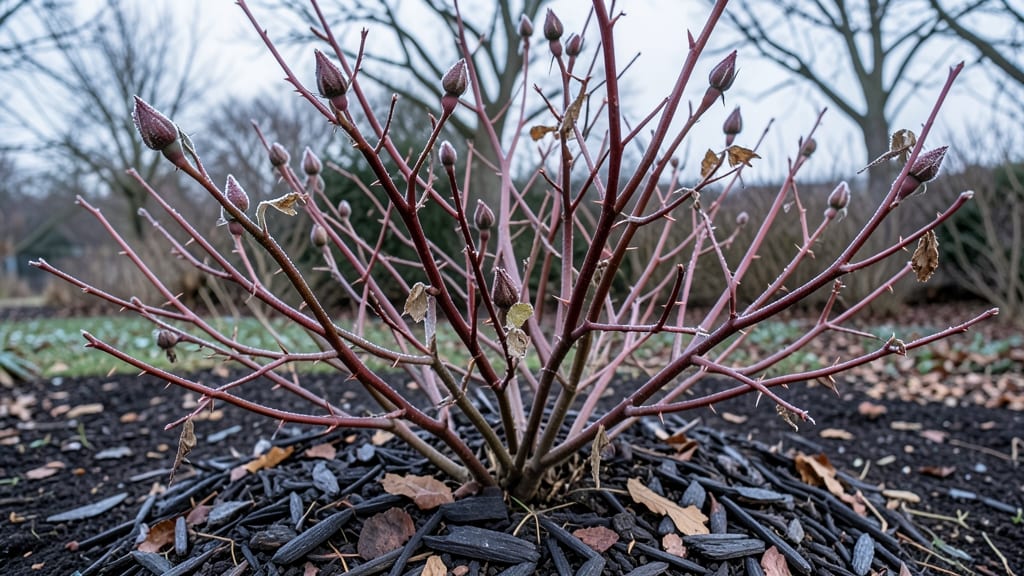
Yes, roses do grow in winter in mild climates like USDA Zones 8-11, where they remain dormant but continue blooming with proper care. In colder regions, they enter dormancy and require protection to survive frost and snow.
Winter isn't a death sentence for roses—it's all about where you live and how you prepare.
In warmer climates like Southern California or Florida, roses stay active year-round, producing blooms even in December. 🌹 The key difference lies in dormancy: while cold-hardy varieties in Zones 3-7 shut down completely, milder zones see reduced growth but no full dormancy.
I've seen hybrid teas in Zone 9 still flowering lightly through winter if protected from hard freezes.
What makes this possible? Roses adapt through a mix of natural resilience and human care. Varieties like 'Knock Out' roses or 'Earth Kind' selections are bred specifically for cold tolerance, while proper mulching and watering in fall create insulation against temperature swings.
The trade-off? In colder zones, winter care becomes an art form—think heavy mulch, frost cloths, and strategic pruning to avoid winter dieback.
💡 In This Article
- How Winter Climate Zones Affect Rose Growth
- Winter Care Tips for Year-Round Rose Gardens
How winter climate Zones affect rose growth
The USDA Plant Hardiness Zone Map serves as the foundation for understanding winter rose growth. This system divides North America into 13 zones based on average annual minimum temperatures, with Zone 1 being the coldest (-60°F) and Zone 11 the warmest (40-50°F).
Roses in Zones 8-11 experience what botanists call "partial dormancy"—their growth slows dramatically but doesn't completely stop. 🌱 The key biological trigger is photoperiod (daylight hours), which shortens in winter, signaling roses to conserve energy while maintaining some metabolic activity.
Temperature fluctuations create the most dramatic differences between zones. In Zone 9, where winters average 20-30°F, roses may produce sparse blooms but remain green year-round. The 'Belinda's Dream' rose, for example, thrives here with minimal winter care.
However, just two zones colder (Zone 7, 0-10°F winters), roses enter full dormancy, dropping leaves and halting growth until spring. The critical threshold is -10°F: below this, even cold-hardy varieties like 'Dr. Huey' roses risk winter dieback unless properly protected.
Rose varieties exhibit stunning adaptations to winter conditions. Floribundas and shrub roses generally handle cold better than hybrid teas, thanks to their thicker canes and more robust root systems. Some varieties, like the 'Iceberg' rose, produce winter blooms in Zones 8-10 by developing special protective buds that resist 20°F temperatures.
The science behind this involves increased production of antioxidants and sugars within the plant tissues, which act like natural antifreeze. 🌡️ This biochemical process explains why you might see roses blooming in December in Southern California but not in New York.
Moisture management becomes critical during winter months. In Zones 8-11, roses need 1-1.5 inches of water per month during dry winter periods to prevent desiccation from cold winds.
The soil temperature plays a crucial role here—when ground temps drop below 40°F, roots become less active, making them vulnerable to both frost damage and drought stress. This is why winter watering should be done in the morning to allow foliage to dry before nighttime freezing.
Light exposure also shifts dramatically with winter solstice. Roses in northern latitudes (Zones 3-5) receive only 8-9 hours of daylight in December, triggering deep dormancy. In contrast, Zone 10 roses get 10+ hours of daylight even at winter's peak, maintaining enough energy for limited growth.
The difference? A 20% reduction in photosynthesis in colder zones versus just 10% in mild climates. This explains why roses in Florida continue blooming while those in Chicago lie dormant.
One fascinating adaptation occurs in everblooming roses like 'Julia Child'. These varieties produce a hormone called "florigen" that continues low-level production even in winter, allowing sporadic blooming. The trade-off? These roses require 50% more nutrients than dormant varieties to sustain this activity.
This biological difference explains why you'll see gardeners in Zone 9 fertilizing lightly in winter while those in Zone 6 avoid winter feeding entirely. 🌿