
Light Requirements
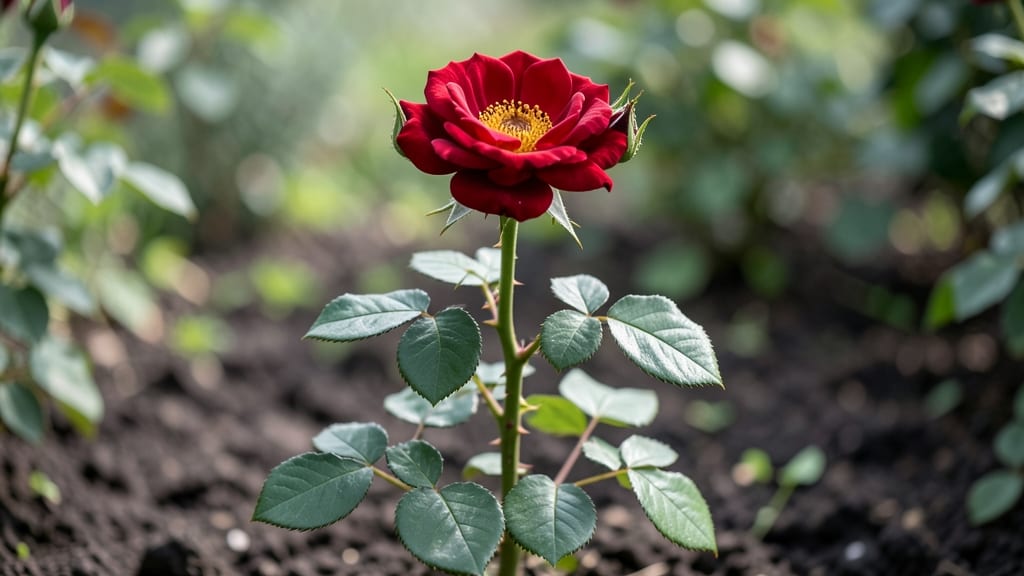
Do roses like sun—absolutely, they thrive with at least 6 to 8 hours of it daily to produce those showstopping blooms you planted them for.
If your roses are struggling to bloom or look weak, their light exposure could be the culprit—roses thrive in sunlight, but too much or too little can spell disaster for these delicate yet hardy plants.
Most varieties, like hybrid teas and floribundas, demand full sun, while others, such as climbers or some shrub roses, can tolerate a little afternoon shade in hot climates. The key is finding that sweet spot where they get enough light to flourish without scorching.
Below, I’ll break down exactly how much sun your roses need, how to spot signs of too much or too little light, and the best ways to position them in your garden for peak blooms and healthy growth.

How many hours of sun do roses need for maximum blooms?
Roses are sun worshippers—most varieties crave 6 to 8 hours of direct sunlight daily to produce their signature lush blooms. Without enough light, they’ll stretch toward the sun, grow leggy, and produce fewer flowers.
But here’s the catch: not all roses are created equal when it comes to sunlight needs. Hybrid teas, the classic showstoppers, demand full sun, while some climbers and shrub roses can tolerate a little afternoon shade.
Let’s break down the sunlight requirements by variety so you can give your roses the perfect light prescription.
The key to measuring sunlight exposure is understanding direct vs. filtered light. Direct sunlight means the sun’s rays hit the plant without obstruction, while filtered light passes through leaves or a sheer curtain of clouds.
Use a sunlight tracker (or even a simple timer) to monitor how much direct light your garden space gets. Most gardeners place a white plate in potential planting spots—if it stays cool to the touch by midday, you’ve got full sun; if it warms up slightly, it’s partial shade.
This simple trick helps avoid over- or under-estimating light conditions.
| Rose Variety | Ideal Sunlight | Notes |
|---|---|---|
| Hybrid Teas | 6–8 hours | Demand full sun for vibrant blooms; leggy growth signals insufficient light. |
| Climbing Roses | 6+ hours (morning sun preferred) | Tolerate afternoon shade but need morning light for strong canes. |
| Shrub Roses | 5–6 hours | More adaptable; handle partial shade better than hybrid teas. |
| Floribundas | 6 hours | Cluster bloomers; thrive in full sun but produce some flowers in partial shade. |
| Old Garden Roses | 4–6 hours | More shade-tolerant; often found in historic gardens with dappled light. |
Hybrid teas, the queens of the rose world, are the most demanding when it comes to sunlight. These showstopper bloomers need 6 to 8 hours of direct sun to produce their iconic, large flowers.
If your hybrid teas start stretching toward the sky with sparse blooms, they’re begging for more light. Think of them like divas—they need the spotlight to shine. For these varieties, south-facing locations are ideal, as they capture the most intense sunlight throughout the day.
If your garden lacks full sun, consider container growing where you can move pots to follow the sun’s arc.
Climbing roses, on the other hand, are a bit more flexible but still prioritize morning sun. These roses need at least 6 hours of sunlight daily, with the bulk of it coming in the morning.
Afternoon shade is often tolerated, especially in hot climates, because it prevents the canes from overheating. If you’re growing a climber against a fence or trellis, position it so the morning sun hits the leaves directly—this ensures strong, healthy canes that can support those dramatic blooms.
A common mistake is planting climbers in full afternoon sun, which can scorch the foliage and reduce flowering.
Shrub roses are the chameleons of the rose family, adapting well to 5 to 6 hours of sunlight. They’re perfect for gardeners with partial shade conditions, like areas near trees or north-facing walls.
Shrub roses produce clustered blooms that continue throughout the season, making them low-maintenance stars. However, if you want the most prolific flowering, give them as much sun as possible. In shadier spots, they’ll still bloom but may produce fewer flowers and have longer stems between buds.
For shrub roses, aim for a balance—enough sun for health but not so much that they stress in extreme heat.
Floribundas are the workhorses of the rose garden, producing clusters of smaller blooms that last all season. They thrive with 6 hours of sunlight but can still produce flowers in partial shade, though the blooms may be less vibrant.
These roses are fantastic for border plantings or mixed gardens where they can share space with other plants. If you’re growing floribundas in containers, ensure they get at least 5 hours of direct sun to maintain their bushy growth habit and continuous flowering.
They’re forgiving but will reward you best with full sun exposure.
Old garden roses, including heirloom varieties, often have the most shade tolerance of all roses. These historic beauties can thrive with 4 to 6 hours of sunlight, making them ideal for woodland gardens or shaded patios.
Their delicate, romantic blooms often perform better in dappled light than in harsh
Signs your roses aren’t getting enough (or too much) sun
Roses are sun-worshippers at heart, but their leaves and blooms tell a story when sunlight is off-balance. Too little sun leads to weak stems and sparse flowers, while excessive exposure can scorch delicate foliage. Learning to read these visual cues helps you adjust care before problems worsen.
Start by examining your roses' leaf color. Healthy leaves should be a vibrant green, but pale yellow or white leaves indicate insufficient sunlight. This chlorosis occurs when roses stretch toward light sources, creating long, leggy stems with few buds.
Even worse, dark brown or crispy edges signal sunburn from too much direct light.
⚠️ callout warning ⚠️
🌹 Sunlight Stress in Roses
Roses need 6-8 hours of sun daily, but signs of imbalance appear quickly:
- ❌ Too Little Sun: Pale leaves, leggy growth, few blooms
- ❌ Too Much Sun: Brown leaf edges, wilted buds, sunburn spots
- ✅ Ideal Sun: Deep green leaves, strong stems, abundant blooms
Action: Move roses gradually to avoid shock—partial shade adjustments should happen over 7-10 days.
Your roses' growth patterns also reveal sunlight struggles. If stems grow tall and thin with long spaces between leaves, they're stretching toward light. This "etiolation" weakens the plant and reduces blooming potential. Conversely, stunted growth with small, dark leaves suggests heat stress from excessive sun.
Pay attention to bloom patterns too. Roses deprived of sunlight produce smaller flowers with fewer petals, and buds may fail to open entirely. In extreme cases, you might see no blooms at all despite healthy-looking foliage.
On the flip side, roses getting too much afternoon sun often develop wilted buds or flowers that open but quickly droop.
To fix sunlight issues, start by mapping your garden's sun exposure. Use a sunlight tracker for a week to identify which areas get full sun (6+ hours), partial shade (3-6 hours), or deep shade (<3 hours).
Then, relocate roses gradually—never move them abruptly, as this causes transplant shock.
For too little sun, consider pruning nearby trees or structures to increase light. If space is limited, choose dwarf rose varieties like 'The Fairy' or 'Bonica,' which tolerate partial shade better.
For too much sun, add light shade cloth (30-50% coverage) during peak afternoon hours or plant tall companion plants like sunflowers to break wind and reduce direct exposure.