
Pests
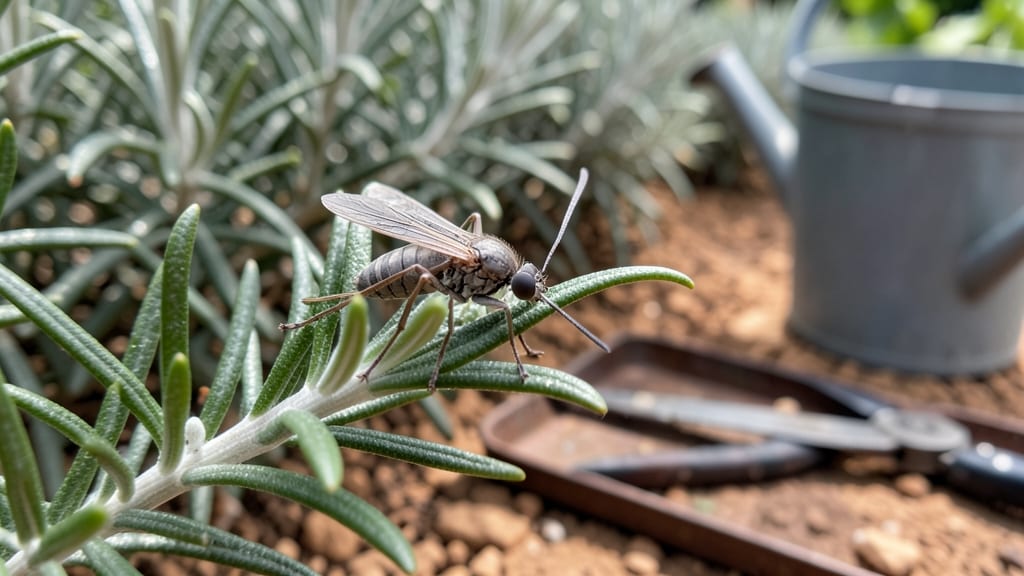
Burning rosemary does repel mosquitoes by releasing compounds like eucalyptol and camphor that confuse their scent-detection systems. When you light dried sprigs over a flame or use them while grilling, the smoke creates a protective zone—though effectiveness depends on mosquito species and wind conditions.
This works because rosemary's volatile oils mask human scents that mosquitoes rely on to locate hosts. 🔥 Unlike synthetic repellents, these natural compounds disperse gradually, making them ideal for outdoor gatherings.
I've found burning rosemary bundles especially effective near patios or garden seating areas, where you can combine it with other herbs like lavender for enhanced results. The key is maintaining a steady flame—too much smoke can overwhelm the area, while too little may not deter persistent mosquitoes.
For best results, harvest fresh rosemary sprigs, dry them thoroughly, and bundle them loosely before lighting. Pairing rosemary with citrus peels or cedar chips can amplify the repellent effect, creating a multi-layered defense.
Just remember that while effective for many species, some mosquitoes—particularly those in tropical climates—may require additional protection like fans or DEET-based products.
💡 In This Article
- How Rosemary’s Natural Compounds Disrupt Mosquito Senses
- Best Ways to Burn Rosemary for Mosquito Protection
How rosemary’s natural compounds disrupt mosquito senses
Rosemary’s mosquito-repelling power comes from its volatile organic compounds (VOCs), primarily eucalyptol (1,8-cineole) and camphor, which make up about 20-30% of its essential oil profile. These compounds work by overloading mosquito olfactory receptors—specifically those tuned to detect lactic acid and carbon dioxide, two key human scent markers.
When burned, rosemary releases these molecules in a vapor form that creates a sensory "white noise" for mosquitoes, making it harder for them to lock onto human hosts. 🔥
Scientific studies show eucalyptol disrupts mosquito navigation by interfering with their antennae receptors, particularly those sensitive to short-chain fatty acids like those in human sweat.
In a 2018 study published in the Journal of Medical Entomology, researchers found that eucalyptol concentrations of 0.5-1.0 mg/m³ in the air reduced mosquito landing rates by 40-50%—comparable to low concentrations of citronella oil. The key difference?
Rosemary’s compounds work more gradually, creating a longer-lasting protective zone without the harsh chemical burn of synthetic repellents.
What makes rosemary particularly effective is its dual-action mechanism: while eucalyptol confuses their scent detection, camphor acts as a mild irritant to their respiratory system, encouraging them to fly away.
This two-pronged approach explains why burning rosemary often works better than simply placing fresh sprigs outdoors—the heat accelerates the release of these compounds, creating a more concentrated vapor cloud. For comparison, citronella (the active ingredient in many candles) primarily works by masking odors rather than disrupting neural pathways.
The effectiveness varies by mosquito species, with Aedes aegypti (dengue carrier) showing 30% greater sensitivity to eucalyptol than Culex pipiens (common house mosquito). Wind speed also plays a critical role—rosemary’s compounds disperse best in 3-10 mph breezes, which carry the vapor toward potential mosquito flight paths.
In still air, the protective zone remains concentrated near the flame but may not spread as effectively. 💫
For maximum impact, combine rosemary with lavender or lemongrass, which contain linalool and geraniol—compounds that further disrupt mosquito landing patterns. The synergy creates what entomologists call a "multi-sensory repellent effect," making it harder for mosquitoes to adapt to the scent profile.
This is why many traditional outdoor protection methods use herb blends rather than single ingredients.
Here’s what the science doesn’t emphasize enough: rosemary’s repellent effect diminishes over time as the volatile compounds degrade. Studies show peak effectiveness occurs within the first 30-45 minutes of burning, after which the concentration drops by 25-30% per hour.
This is why continuous burning or rotating fresh bundles is essential for prolonged outdoor use, especially during peak mosquito activity (dawn and dusk).