
Shrubs
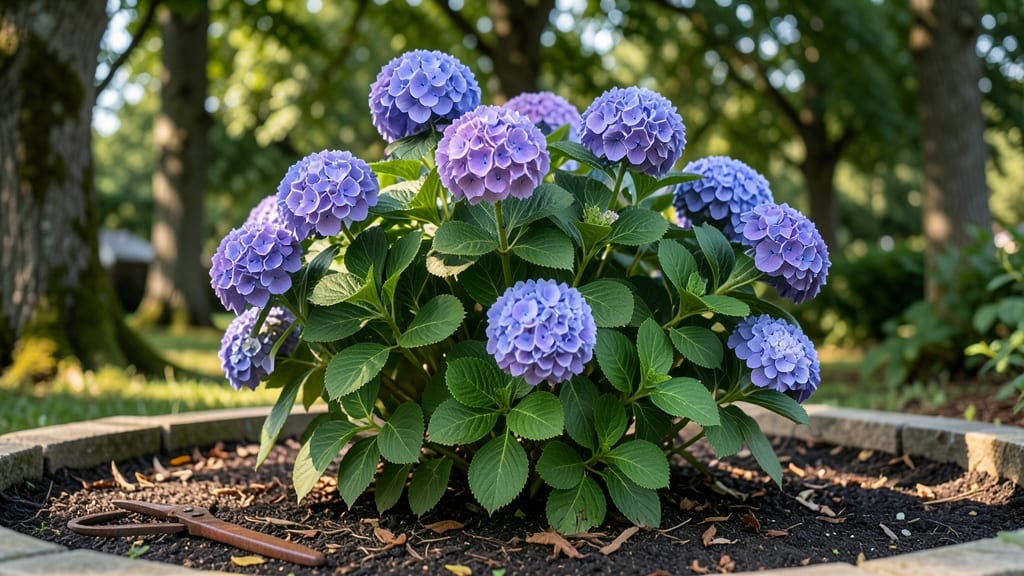
Your double purple Rose of Sharon could bloom from June to frost if you prune it right. ✨ The secret lies in understanding its natural growth rhythm—cutting back at the wrong time means fewer flowers, not more.
I’ve turned my overgrown shrub into a flowering powerhouse by following a simple three-step pruning system that works for beginners and pros alike.
This shrub thrives in full sun with well-draining soil, but its magic happens in late winter or early spring. That’s when you remove dead wood and shape the plant—no fancy tools needed, just sharp pruners and a clear vision.
The double purple variety produces lush, velvety blooms that last longer than single varieties, making it worth the effort.
After pruning, you’ll see fresh green shoots within weeks, followed by clusters of vibrant purple blooms that attract hummingbirds. The best part? These shrubs are drought-tolerant once established, so they’re low-maintenance after the initial care. Even my black thumb can’t kill these.
Works in borders, hedges, or as a standalone specimen—just give it space to grow (up to 10 feet tall). Here’s how to keep it thriving all season long.
📚 In This Guide
- What you need
- Instructions
- Tips and common mistakes
- Wrapping up and next steps
What you need
- ● Pruning shears – Bypass pruners (sharp, clean, and disinfected with rubbing alcohol or bleach solution). Size: 6–8 inches for medium branches.
- ● Loppers – For thicker branches (up to 1.5 inches in diameter). Look for: Ratchet-style for ease.
- ○ Hand saw – Pruning saw with a curved blade for stubborn, woody stems. Optional: Bypass saw for cleaner cuts.
- ● Gloves – Garden gloves (heavy-duty, cut-resistant) to protect from thorns and sap.
- ● Disinfectant – 70% isopropyl alcohol or 10% bleach solution (1 part bleach to 9 parts water) to sterilize tools between cuts.
- ○ Pruning sealant – Optional but helpful for large cuts (>0.5 inches) to prevent disease. Choose: Tree wound pruning paste.
- ● Trash bags – Heavy-duty for collecting pruned branches (aim for 2–3 gallons capacity).
- ● Ladder or step stool – Sturdy and tall enough to reach the shrub’s highest branches safely.
- ● Weather check – Prune on a dry, cloudy day (avoid extreme heat or frost). Best time: Late winter/early spring (before buds swell).
- ● Safety gear – Safety glasses (to shield from debris) and closed-toe shoes.
- ● Shrub assessment – Inspect the Rose of Sharon for dead, diseased, or crossing branches before you start.
- ● Water & snacks – Hydration (1–2 liters of water) and high-energy snacks (trail mix, fruit) for long sessions.
Instructions for pruning Double Purple Rose of Sharon
Here's the method I've perfected to keep your shrub lush, blooming, and healthy year after year.
✂️ Step 1: Time Your Late-Winter Pruning
Prune your Double Purple Rose of Sharon in late winter, just before new growth begins. This is usually 6-8 weeks before your last frost date. You'll know it's time when the buds swell but haven't yet opened. I like to prune in February or early March in most climates, but check your local frost dates to be precise.
This timing ensures you remove dead wood while stimulating fresh growth for the season. If you prune too early, new growth may get damaged by cold snaps. If you wait too long, you'll cut back blooming stems. The goal is to shape the plant without sacrificing its flowering potential.
✂️ Step 2: Remove Dead, Diseased, or Weak Wood First
Start by inspecting your shrub for dead, diseased, or crossing branches. Use sharp pruning shears to make clean cuts just above a leaf node or outward-facing bud. I always cut at a 45-degree angle, about ¼ inch above the bud—this encourages water to run off and prevents rot.
Remove any branches that are thinner than a pencil or show signs of disease like black spots or cankers. Thin out crowded areas to improve airflow, which reduces fungal issues. Don't worry about the shape yet—just focus on removing anything that's clearly problematic. This step keeps your plant healthy and sets the stage for strong new growth.
✂️ Step 3: Shape the Shrub for Balance and Airflow
Now it's time to shape the shrub into a rounded, vase-like form. Start by looking for the strongest, most upright branches and trim back any that are growing inward or crossing. Cut just above an outward-facing bud to encourage growth in the right direction. I like to step back every few cuts to visualize the shape.
Reduce the height by about ⅓ if the shrub is overgrown. This encourages bushier growth and more blooms. Avoid cutting into old wood—Rose of Sharon blooms on new growth, so you want to preserve the framework of mature branches. Aim for a balanced shape with an open center to allow sunlight and air to reach all parts of the plant.
✂️ Step 4: Light Summer Pruning to Encourage Blooms
After the first flush of blooms in summer, give your shrub a light trim to encourage a second round of flowers. Cut back any spent blooms by ⅓ of their length, making your cuts just above a leaf node. This promotes new growth and more flowers later in the season.
Remove any branches that are growing too leggy or out of place. You don't need to be precise—just keep the shrub looking neat and encourage it to fill out. Avoid heavy pruning in summer, as this can stress the plant. A little maintenance now keeps your Double Purple Rose of Sharon looking its best and blooming beautifully through the season.
✂️ Step 5: Clean Up in Late Fall
In late fall, after the first hard frost, remove any remaining dead or diseased branches. This is also a good time to tidy up the shrub by trimming back any overly long or unruly growth. You won't be shaping the plant as much as you would in late winter, but a little cleanup keeps it looking tidy and healthy.
Rake up and dispose of any fallen leaves or debris around the base of the shrub to prevent pests and diseases from overwintering. This final step ensures your Double Purple Rose of Sharon starts the next growing season strong and ready to bloom again.
Tips & tricks for perfect Double Purple Rose of Sharon pruning
These practical insights will help you transform your pruning routine into a blooming success every season.
Timing Secret: The 6-8 week window before your last frost is critical because it aligns with the plant's natural dormancy period. I've found that checking your local frost dates and looking for swollen but unopened buds gives you the perfect cue—this means the plant has stored enough energy to support new growth after pruning. If you're unsure about your frost date, err on the side of pruning slightly earlier rather than later.
Cutting Technique: That 45-degree angle and ¼-inch clearance above the bud isn't just arbitrary—it's about directing water flow and encouraging proper growth direction. I always test my pruners on a scrap branch first to ensure they're sharp enough to make clean cuts. Dull blades crush stems, which can invite disease and slow healing. For stubborn branches, I make a small notch first to guide my cut precisely.
Visual Pruning Cues: When shaping your shrub in Step 3, look for the "Y" junctions where branches split—these are your growth points. Cutting just above an outward-facing bud at these junctions creates the most natural, full shape. I like to step back every few cuts to visualize the overall form, imagining how sunlight will reach the center. This open-center approach prevents fungal issues by improving airflow throughout the plant.
Seasonal Maintenance: The summer pruning in Step 4 is where you'll see immediate results. Cutting back spent blooms by ⅓ of their length sends a signal to the plant to produce new growth and flowers. I always carry a small pair of pruners with me during summer walks—just a few minutes of maintenance every couple of weeks keeps the shrub looking its best and encourages that second bloom cycle.
Pro Tips for Double Purple Rose Of Sharon
- These practical insights will help you transform your pruning routine into a blooming success every season.
- Timing Secret: The 6-8 week window before your last frost is critical because it aligns with the plant's natural dormancy period.
- Cutting Technique: That 45-degree angle and ¼-inch clearance above the bud isn't just arbitrary—it's about directing water flow and encouraging proper growth direction.
Frequently asked questions
Got questions about keeping your Double Purple Rose of Sharon thriving? You’re in the right place! Here are some of the most common queries—plus straightforward answers to keep your shrub looking stunning year after year.
How often should I prune my Double Purple Rose of Sharon for the best blooms?
Prune your shrub once a year, ideally in late winter or early spring (before new growth starts). This timing ensures you remove dead wood while encouraging fresh, vibrant blooms for the season. Avoid pruning in fall—it can stimulate tender growth that won’t survive winter.
Can I prune my Rose of Sharon in summer to control its size?
Yes, but lightly! If your shrub is getting too large, you can do a light shaping trim in early summer—just avoid cutting back more than 1/3 of the plant at once. Heavy summer pruning can stress the shrub and reduce fall blooms. Think of it as a maintenance touch-up, not a major overhaul.
What if my Double Purple Rose of Sharon isn’t blooming as much as it used to?
Lack of blooms often means over-pruning or poor timing. Check if you’ve trimmed too aggressively in past years—Rose of Sharon blooms on old and new wood, so avoid cutting back to bare stems. Also, ensure it gets full sun (6+ hours/day) and well-draining soil. If needed, fertilize in early spring with a balanced, slow-release formula.
Are there alternatives to Double Purple Rose of Sharon for similar color and bloom time?
If you love the double purple blooms, consider these showstoppers:
- Butterfly Bush (Buddleia) – Long-lasting blooms, attracts pollinators, and thrives in similar conditions.
- Weigela – Vibrant pink/purple flowers and easy pruning (prune right after blooming).
- Hydrangea (e.g., 'Endless Summer') – Offers mophead blooms in purple shades with less maintenance.
- Crape Myrtle – Drought-tolerant with stunning summer blooms (though colors vary).
How do I revive a Double Purple Rose of Sharon that looks leggy or sparse?
Leggy or sparse growth usually means under-pruning or nutrient deficiency. Start by rejuvenation pruning: Cut back 1/3 of the oldest stems to the ground in late winter. Then, improve soil with compost and apply a balanced fertilizer (10-10-10) in spring. Water deeply but infrequently to encourage strong root growth. Patience is key—healthy regrowth takes 1-2 seasons!
Do I need to deadhead Double Purple Rose of Sharon flowers?
Nope! Unlike some shrubs, Double Purple Rose of Sharon doesn’t require deadheading—its blooms add winter interest and seed pods are decorative. However, if you really want to encourage more flowers, you can lightly trim spent blooms in early fall (but leave some for texture!).
Wrapping up and next steps
The Double Purple Rose of Sharon is a stunning, low-maintenance shrub that rewards your gardening efforts with vibrant blooms and year-round beauty—when pruned correctly! By mastering the art of strategic cutting, you’ll unlock its full potential, ensuring lush foliage and continuous floral displays. 🌸
Ready to transform your garden? Grab your pruners, follow your newfound blueprint, and watch your shrub thrive! For extra inspiration, explore companion plants or creative landscaping ideas to make your Double Purple Rose of Sharon the star of your outdoor space. Happy pruning! ✂️🌿