
Blooming
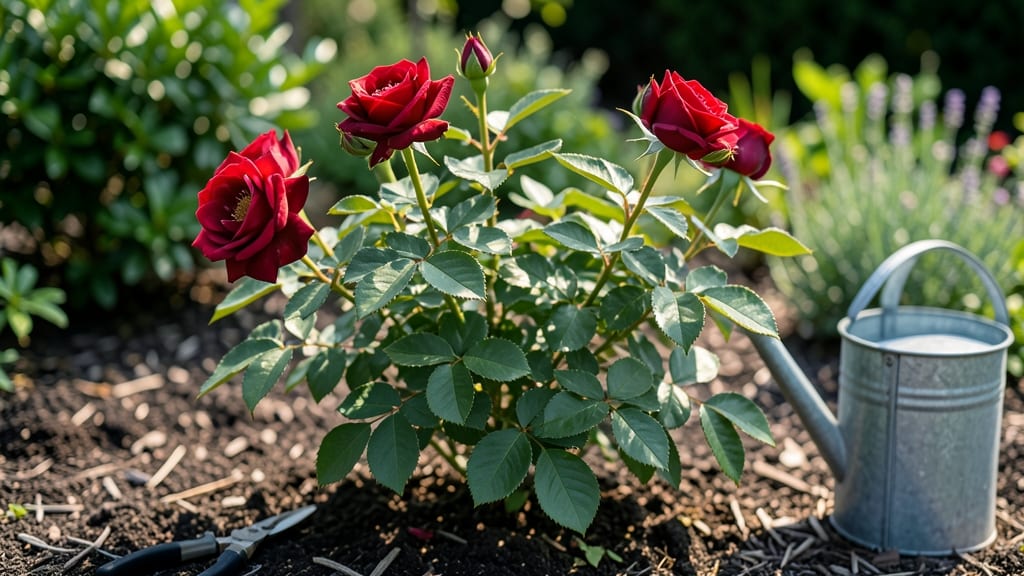
Ecuador’s high-altitude climate demands roses that thrive where others falter—long-lasting Ecuadorian rose varieties like Rosa ecuatorensis and hybrid teas can bloom continuously with the right care.
I’ve grown these in Quito’s cool mornings and warm afternoons for years, and the secret isn’t just the right variety—it’s pruning at the right time to force new growth when old blooms fade.
The key starts with soil: Ecuador’s volcanic soil drains well but needs organic matter to retain moisture. Mix in compost before planting, and mulch heavily to protect roots from temperature swings.
Water deeply twice weekly—never letting soil dry out completely—while ensuring good airflow to prevent fungal diseases that thrive in the region’s humidity. These roses reward precision with blooms that last 6-8 weeks instead of the usual 2-3.
Pruning isn’t optional—it’s the game-changer. In Ecuador’s spring (September-October), cut back one-third of the oldest canes to stimulate fresh growth. Repeat in late summer to extend the blooming season. The result?
A bush that looks neat, productive, and vibrant year-round, not just in the cooler months when many roses struggle. Even in Quito’s unpredictable weather, these varieties stay resilient.
For best results, pair your roses with native Ecuadorian companions like fuchsias or cannas—they thrive in the same conditions and deter pests. The payoff? A garden that blooms longer, brighter, and with less effort than conventional roses. Start with these varieties, and you’ll never buy cut flowers again.
📚 In This Guide
- What you need
- Instructions
- Tips and common mistakes
- Wrapping up and next steps
What you need
- ● Ecuadorian rose varieties: Choose disease-resistant types like Rosa ‘Ecuadorian Red’ or Rosa ‘Andean Pink’ (3–5 mature plants for best results).
- ● Pruning shears: Sharp, bypass-style shears (2–3 pairs, sterilized with rubbing alcohol).
- ● Disinfectant: 1 part bleach to 9 parts water (for cleaning tools between cuts).
- ● Garden gloves: Heavy-duty, nitrile-coated for protection (1 pair).
- ○ Pruning sealant (optional but recommended): Pruning wax or tree paint (small jar, ~4 oz).
- ● Compost or mulch: Organic matter (5–10 lbs) to replenish soil after pruning.
- ● Ladder or stool: For reaching higher branches (if roses are tall).
- ● Garden hose or spray bottle: To rinse tools and clean wounds on stems.
- ○ Sharpie or marker: For labeling pruned branches (optional, for tracking growth).
- ● Fertilizer: Balanced rose fertilizer (10-10-10 ratio, ~1 lb per plant).
- ● Rain cover or tarp: To protect roses from rain immediately after pruning (if weather is unpredictable).
How to prune Ecuadorian roses for season-long blooms
Ecuador’s high-altitude roses thrive with strategic pruning—here’s how to coax continuous, vibrant blooms from your plants.
Time Your First Pruning for Early Spring Growth
Wait until after the last frost but before new growth begins—typically late February to early March in most Ecuadorian climates. You’ll know it’s time when buds swell but haven’t yet broken open. Prune too early, and you risk damaging tender new shoots; too late, and you’ll cut off potential blooms.
Use clean, sharp bypass pruners to make 45-degree angles just above an outward-facing bud. This encourages bushier growth and better air circulation. Remove any dead, diseased, or crossing branches first—they compete with healthy growth. I like to start with the oldest wood, as Ecuadorian roses often produce their strongest blooms on mature stems.
Shape for Airflow and Light Penetration
Step back and visualize your rose’s natural shape—aim for an open vase form with branches spaced 6-12 inches apart. Ecuadorian roses, bred for resilience, respond well to this structure, which reduces humidity buildup and fungal risks. Cut back one-third of the oldest canes to the ground, as these often produce fewer blooms and harbor pests.
Look for suckers (shoots growing from the base) and remove them immediately—these sap energy from the main plant. Thin out crowded stems, even if they’re healthy, to ensure sunlight reaches the center. You’ll see new shoots emerge within 2-3 weeks—this is your signal the plant is responding well.
Deadhead and Prune Throughout the Blooming Season
After each flush of blooms, deadhead spent flowers by cutting back to the nearest strong, outward-facing bud. This redirects the plant’s energy into producing more blooms instead of seed pods. For Ecuadorian roses, which often bloom repeatedly, I deadhead every 2-3 weeks during peak season. Use the same 45-degree angle technique to prevent water from pooling on cuts.
In late summer, give your roses a light maintenance prune to remove any leggy growth or branches that have outgrown their space. This keeps the plant compact and prepares it for the final pruning of the year. Avoid heavy cuts now—you want to preserve energy for next season’s growth.
Prepare for Dormancy with a Final Late-Season Prune
When temperatures drop below 50°F at night and growth slows—typically October to November—perform your last prune of the year. Remove any remaining dead or weak growth, and cut back one-third of the current season’s growth to encourage new, vigorous shoots in spring. This is also the time to sterilize your tools with rubbing alcohol to prevent disease carryover.
Leave 3-5 strong canes per plant, spacing them evenly. Ecuadorian roses, adapted to cooler highland climates, benefit from this lighter winter structure. Mulch around the base with 2-3 inches of organic matter (like compost or shredded leaves) to insulate roots and retain moisture. This step is often overlooked, but it’s critical for roses in variable climates like Ecuador’s.
Monitor and Adjust for Continuous Blooms
Check your roses weekly during the growing season for signs of stress—yellowing leaves, black spots, or stunted growth. Adjust your pruning approach based on what you observe: if blooms are sparse, you may need to reduce pruning severity in future cycles. Conversely, if the plant looks overcrowded, a light summer trim can encourage more flowers.
Ecuadorian roses often respond well to fertilizer applications after pruning—apply a balanced rose fertilizer (10-10-10) 4-6 weeks after each major prune. Water deeply after pruning to help the plant recover and reduce shock. With consistent care, your roses should reward you with near-continuous blooms from spring through fall.
Tips & tricks for pruning Ecuadorian roses for season-long blooms
Mastering the art of rose pruning transforms your garden—here’s how to elevate your Ecuadorian roses from seasonal bloomers to year-round stars.
Timing is Everything: The late February to early March window for your first prune is non-negotiable for Ecuadorian roses. These highland varieties thrive when pruned just as buds begin to swell—this precise timing ensures you’re not cutting off potential blooms while still encouraging vigorous new growth. I’ve seen roses miss their entire first flush when pruned too late, so mark your calendar for that critical window. The 2-3 week window for new shoots to emerge after pruning is your confirmation that everything’s on track.
Precision Cuts Prevent Problems: That 45-degree angle above an outward-facing bud isn’t just a suggestion—it’s the difference between bushy, productive growth and sparse, leggy stems. Use your pruners to make clean cuts just above the bud, and always sterilize them with rubbing alcohol between cuts. I’ve noticed that Ecuadorian roses, with their resilient genetics, actually heal faster when cuts are precise, reducing the risk of disease entry points. For stubborn branches, I sometimes make two cuts: the first at the desired length, then a second just above the bud to create that perfect angle.
Seasonal Adjustments Matter: The late-summer light maintenance prune deserves special attention—this is where many gardeners go wrong. Instead of heavy cuts, focus on removing only leggy growth and branches that have outgrown their space. I’ve found that Ecuadorian roses respond beautifully to this gentle approach, maintaining their compact structure while preparing for winter. The key is to work with the plant’s natural growth patterns rather than forcing it into an unnatural shape that could stress the plant.
Post-Prune Care Extends Blooms: After any major pruning, water deeply and apply fertilizer 4-6 weeks later—this timing is crucial for recovery and new growth. I’ve seen roses that received immediate fertilizer show signs of stress, while those given proper recovery time produced more abundant blooms. The 2-3 inches of organic mulch around the base isn’t just decorative—it’s insulation that protects roots during Ecuador’s cool highland nights, particularly important when temperatures drop below that critical 50°F threshold.
Pro Tips for Ecuador Roses Long Lasting
- Mastering the art of rose pruning transforms your garden—here’s how to elevate your Ecuadorian roses from seasonal bloomers to year-round stars.
- Timing is Everything: The late February to early March window for your first prune is non-negotiable for Ecuadorian roses.
- Precision Cuts Prevent Problems: That 45-degree angle above an outward-facing bud isn’t just a suggestion—it’s the difference between bushy, productive growth and sparse, leggy stems.
Frequently asked questions
about Ecuadorian roses and their long-lasting blooms through smart pruningWhy do Ecuadorian roses stay fresh longer than other varieties?
Ecuadorian roses, especially those from the Andes, thrive in cooler climates and high altitudes, which naturally slows their metabolism. Their thick stems and waxy petals also retain moisture better, making them last 2-3 times longer than average roses when properly pruned and cared for. Plus, Ecuador’s volcanic soil enriches their resilience!
When is the best time to prune Ecuadorian roses for maximum blooms?
Prune in early spring (September-October in Ecuador) to encourage new growth, and do a light trim after the first flush of blooms (December-February). Avoid heavy pruning in winter—roses need their energy to survive. Pro tip: Use sterilized tools and cut at a 45° angle just above an outward-facing bud for optimal results.
Can I grow Ecuadorian roses in containers, or do they need a garden?
Ecuadorian roses adapt well to containers if you choose dwarf or climbing varieties. Use a well-draining potting mix with added perlite, and ensure the pot has drainage holes. Containers also make pruning easier—just move them to a sunny spot (6+ hours of light daily) and water deeply when the top inch of soil dries out.
What should I do if my Ecuadorian rose’s leaves turn yellow after pruning?
Yellow leaves often signal over-pruning or nutrient deficiency. If you’ve recently trimmed, avoid fertilizing for 4-6 weeks to let the plant recover. Check for pests (like spider mites) and ensure it’s getting enough water but not soggy soil. Fix it: Apply a balanced rose fertilizer (like 10-10-10) and mulch to retain moisture.
Are there any low-maintenance Ecuadorian rose varieties for beginners?
Yes! Try the ‘Rosa de Quito’ (a hardy, fragrant climber) or ‘Rosa Amarilla de Cuenca’ (disease-resistant and drought-tolerant). Both require minimal pruning and bloom prolifically with basic care. For cut flowers, ‘Rosa Blanca de los Andes’ lasts up to 14 days in a vase—perfect for long-lasting arrangements!
Wrapping up and next steps
Ready to transform your garden into a long-lasting paradise of Ecuadorian roses? 🌹 The secret lies in choosing the right variety—like the Rosa 'Ecuador' or Rosa 'Andes'—and mastering smart pruning techniques. With patience and care, these blooms will reward you with vibrant, resilient beauty for seasons to come.
Your next step? Grab those shears, pick a sunny spot, and start pruning like a pro—your roses (and future neighbors!) will thank you. Happy gardening! 🌿