
Shrubs
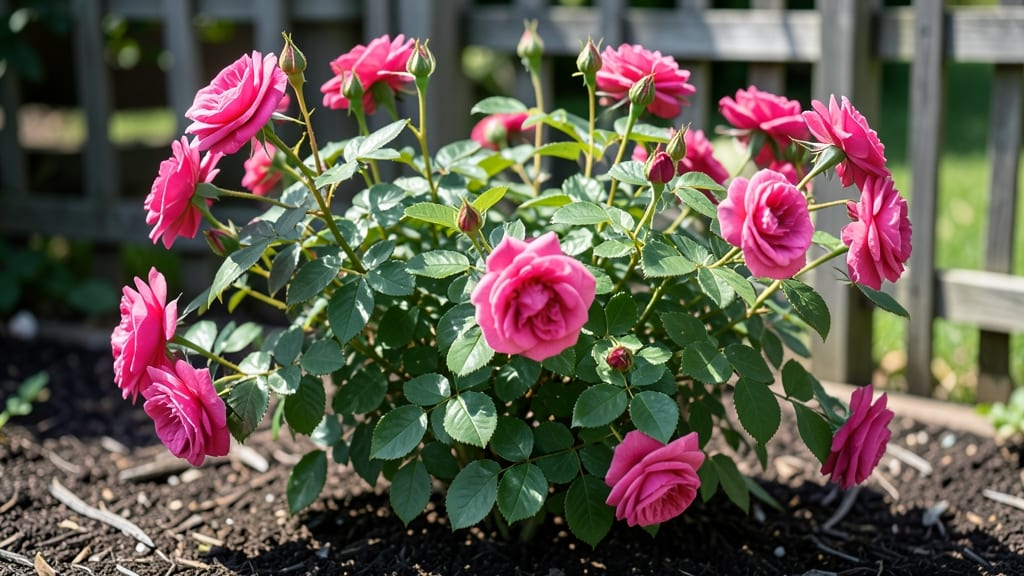
Pruning roses to reach fully open bloom stages transforms your bushes from scraggly to showstopping. 🌹 I’ve spent years perfecting this—where most gardeners stop at "cut back," I focus on the when and how that unlocks longer stems and bigger blooms.
The difference? Roses that look like they belong in a florist’s display instead of your backyard.
Here’s the secret: fully open roses aren’t just about trimming dead wood. It’s about pruning after blooms fade but before new buds form—usually mid-summer. You’ll cut back to the first 5-leaflet leaf (not just any leaf), which forces the plant to put energy into stronger stems and larger flowers.
Skip this, and you’ll end up with weak growth and smaller blooms.
With this method, your roses will develop 2-3 inch longer stems and blooms that measure 1.5–2 inches wider than before. The stems stay sturdy enough to hold their own weight, and the flowers last longer in vases.
Plus, you’ll avoid the common mistake of over-pruning in spring, which stresses plants and delays blooming.
Works for hybrid teas, floribundas, and climbing roses alike—just adjust timing for your climate. Early bloomers (like Knaphill roses) need pruning in late June, while late bloomers (like EarthKind roses) wait until early August.
The key is patience: it takes one season to see the full transformation, but the results are worth it.
📚 In This Guide
- What you need
- Instructions
- Tips and common mistakes
- Wrapping up and next steps
What you need
- ● Pruning shears: Sharp, bypass-style shears (avoid anvil shears—they crush stems). Recommended: Felco #2 or similar (for clean cuts).
- ● Disinfectant: 70% isopropyl alcohol or a gardening disinfectant (to prevent disease spread).
- ● Rubbing alcohol (70%): For wiping down tools between cuts (1 small bottle).
- ● Garden gloves: Heavy-duty, cut-resistant gloves (to protect hands from thorns).
- ○ Pruning sealant (optional): Tree wound paint or pruning wax (for large cuts, 1 small jar).
- ● Knowledge of rose anatomy: Familiarize yourself with bud unions, canes, and leaf nodes (watch a quick YouTube tutorial if needed!).
- ● Weather check: Prune on a dry, overcast day (or early morning) to minimize stress on the plant.
- ● Patience: Roses thrive with gradual pruning—don’t rush the process!
- ● Loppers: For thicker stems (1 pair, 20–24" length).
- ● Hand pruners (for detail work): Compact, ergonomic design (great for tight spaces).
- ● Compost bin: To recycle pruned stems (rich in nutrients!).
- ● Stake or support: For newly pruned roses (if stems are top-heavy).
Instructions for pruning roses for longer stems and larger blooms
Here’s how I transform roses into showstopping specimens with extended canes and abundant florals.
✂️ Step 1: Time Your Pruning for Peak Growth
Prune roses immediately after their final bloom of the season—typically late spring to early summer—when you see new leaf growth but no buds forming. This timing ensures the plant redirects energy into developing strong stems rather than flowering. Avoid pruning in fall or winter, as new growth won’t harden off before cold snaps.
I always prune on a dry, overcast day to minimize stress on the plant. If you must prune in bright sun, water deeply the day before and after to help the cuts heal faster. Use sharp, clean pruners—dull blades tear stems and invite disease.
✂️ Step 2: Identify and Remove Weak Growth
Look for thin, spindly canes—these are the ones that won’t support heavy blooms. Also cut out any crossing or rubbing branches, as these create wounds where pests and diseases can enter. Leave only the thickest, healthiest canes that are at least pencil-thick and show strong, upright growth.
Make your cuts just above an outward-facing bud (about ¼ inch above), angled slightly downward to shed water. This encourages new growth to shoot outward, creating a fuller, more open plant structure. If a cane is completely dead or diseased, remove it entirely at the base.
☀️ Step 3: Thin Out Crowded Centers
Roses bloom best when air circulates freely. Gently spread the canes to check for overcrowded centers—these are where branches grow too close together, blocking light and airflow. Remove every other cane in dense areas, prioritizing the thinnest or weakest ones. This opens up the plant’s center, allowing sunlight to reach inner buds and encouraging larger, more abundant blooms.
Step back and visualize the plant’s shape. Aim for a balanced, vase-like form with 3-5 main stems radiating outward. If you’re unsure, snap a photo before pruning—it’s easier to assess from a distance. Prune gradually; you can always remove more later if needed.
🌱 Step 4: Encourage Longer Stems with Strategic Cuts
For longer stems, focus on selective pruning of side shoots. Cut back one-third of the length of any vigorous side shoots that form on the main canes. This redirects the plant’s energy into elongating the primary stems rather than producing too many small blooms. Look for shoots that are growing outward at a 45-degree angle—these are ideal candidates for pruning.
Leave 3-5 leaves on each remaining side shoot to ensure the plant has enough foliage to support new growth. Avoid cutting into old wood (dark, woody stems)—always prune back to green, healthy growth. After pruning, water deeply to help the plant recover and stimulate root growth.
💧 Step 5: Post-Pruning Care for Strong Recovery
Apply a balanced, slow-release fertilizer (10-10-10 or similar) around the base of the plant 2-3 weeks after pruning to support new growth. Water deeply once a week during dry spells, ensuring the soil is moist but not soggy. Mulch with 2-3 inches of organic mulch (like shredded bark) to retain moisture and protect roots.
Monitor the plant closely for new shoots emerging from the base—these are your future blooming stems. Once you see 3-4 inches of new growth, you can begin lightly pinching the tips to encourage bushier development. Avoid heavy pruning again until the following season unless you notice unwanted suckers or overly dense growth.
Tips & tricks for perfect rose pruning
These insider tricks will help you transform your roses into lush, long-stemmed showstoppers with fewer mistakes and better results.
Timing is Everything: The late spring to early summer window is critical because it aligns with the plant's natural growth cycle. Look for fresh leaf growth without buds—this means the rose is ready to redirect energy into stem development. I've learned the hard way that pruning too early (when buds are still forming) or too late (after summer heat sets in) can stunt growth or leave plants vulnerable to winter damage.
Tool Precision Matters: Your pruners aren't just tools—they're your partners in this process. Always use clean, sharp pruners to make precise cuts that heal faster. I keep a small bottle of rubbing alcohol nearby to wipe down blades between cuts, which prevents spreading any potential diseases. For thicker canes, consider using loppers—just make sure they're sharp too, or you'll crush the stems instead of cutting cleanly.
Visualize the Final Shape: Before making any cuts, step back and visualize your rose's ideal structure. Aim for that classic vase shape with 3-5 main stems radiating outward. This isn't just about aesthetics—it's about airflow and light penetration. I often sketch a quick diagram on scrap paper to map out which canes to keep and which to remove. This simple step prevents over-pruning and ensures you maintain the plant's natural balance.
Post-Pruning Recovery Strategy: The 2-3 weeks after pruning are crucial for recovery. I've found that applying a balanced fertilizer (like 10-10-10) at this stage gives the plant the nutrients it needs to regenerate. Watering deeply once a week and maintaining that 2-3 inch layer of organic mulch creates the perfect environment for new growth. Don't forget to monitor for new shoots—these are your future blooming stems, and they'll tell you whether your pruning was successful.
Pro Tips for Fully Open Rose
- These insider tricks will help you transform your roses into lush, long-stemmed showstoppers with fewer mistakes and better results.
- Timing is Everything: The late spring to early summer window is critical because it aligns with the plant's natural growth cycle.
- Tool Precision Matters: Your pruners aren't just tools—they're your partners in this process.
Frequently asked questions
Got questions about achieving that fully open rose look? You’re not alone! Here are some of the most common queries—and straightforward answers—to help you prune like a pro.
What’s the best time of year to prune roses for longer stems and bigger blooms?
Prune your roses after they bloom (late spring to early summer) for hybrid teas and floribundas, or in early spring (before new growth starts) for shrub roses. Avoid pruning in fall—it encourages tender new growth that may not survive winter. Timing is key to balancing bloom size and stem length!
How much should I cut back when pruning for a "fully open rose" look?
Remove 1/3 to 1/2 of the plant’s height, focusing on dead, diseased, or crossing branches first. For longer stems, cut just above an outward-facing bud (about ¼ inch above) at a 45-degree angle. Avoid over-pruning—this can stress the plant and reduce blooms. Think "less is more" for dramatic, healthy growth!
Will pruning make my roses bloom bigger, or just more?
Pruning correctly encourages larger, fuller blooms by redirecting energy to fewer, stronger stems. Cutting back crowded branches improves airflow, reducing disease and helping each bloom reach its potential. Just remember: Size over quantity is the goal here!
What if my roses don’t bloom after pruning? What went wrong?
No blooms could mean over-pruning (cut too late or too aggressively), nutrient deficiency (feed with rose-specific fertilizer post-prune), or poor sunlight (roses need 6+ hours of sun daily). Check your cuts—if you removed all the buds, the plant has nothing to bloom from! Start with lighter pruning next time.
Are there any rose varieties that don’t need heavy pruning for long stems?
Yes! Climbing roses and shrub roses (like ‘Knock Out’ or ‘Dr. Huey’) tolerate lighter pruning. For dramatic stems, hybrid teas and grandifloras respond best to structured pruning. If you prefer low-maintenance, opt for varieties bred for resilience—like ‘The Fairy’ or ‘Iceberg’—which still benefit from minimal shaping!
Wrapping up and next steps
Embracing the fully open rose look isn’t just about aesthetics—it’s a rewarding journey of patience, care, and connection with nature. By mastering pruning techniques, you’ll unlock longer stems, bigger blooms, and a thriving garden that’s the envy of the neighborhood. 🌸
Ready to transform your roses? Start small—pick one bush to experiment with this season, and watch your confidence (and blooms!) grow. Before you know it, you’ll be sharing your secrets with fellow rose enthusiasts!
Pro tip: Keep a pruning journal to track progress—your future self will thank you! 📖✨