
Size
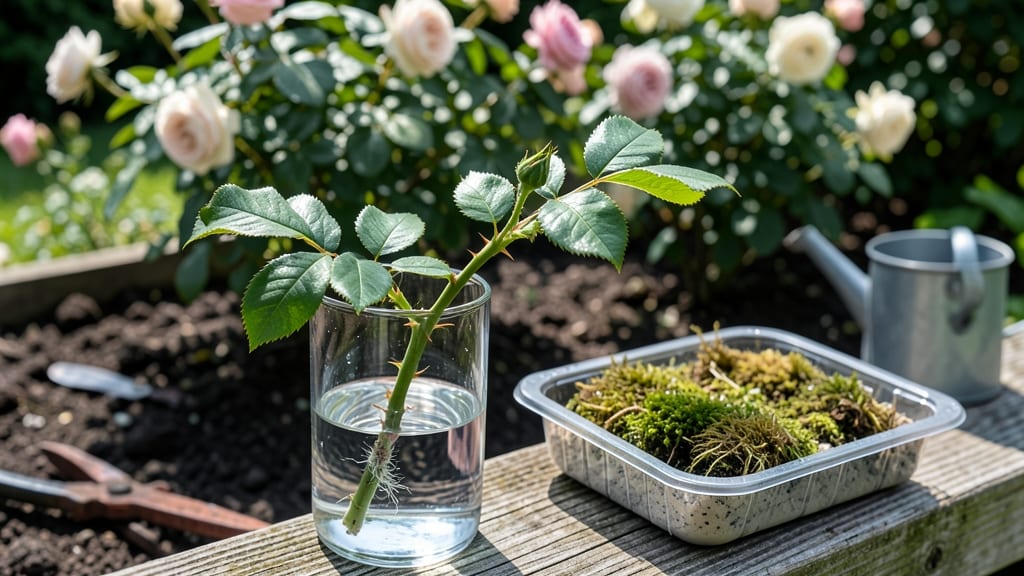
Growing a rose plant from a single stem feels like magic—no fancy tools, just water and time. ✨ I’ve rooted dozens of roses this way, and the best part? You can do it with cuttings from store-bought roses or your neighbor’s bush.
The secret lies in selecting the right stem and giving it the perfect conditions to wake up and grow.
Start with a healthy stem about the thickness of a pencil, cut just below a leaf node (that little bump where leaves grow). Strip off the lower leaves, leaving just a few at the top, then pop it in water—no soil needed.
Change the water every few days to keep it fresh, and within weeks, you’ll see tiny roots forming. It’s that simple, but patience is key.
Once roots reach about 2 inches, you’re ready to plant. The new rose will need bright light and consistent moisture as it adjusts to soil. I’ve seen cuttings bloom within a year, proving this method truly works.
The best time to start? Late spring or early summer, when days are long and roses are full of energy.
Mistakes happen—like overwatering or using a weak stem—but even those teach you what to avoid next time. With this method, you’ll end up with lush, thriving roses that cost nothing but time. Ready to try?
📚 In This Guide
- What you need
- Instructions
- Tips and common mistakes
- Wrapping up and next steps
What you need
- ● Healthy rose stem: A mature, disease-free cutting (4–6 inches long) with at least 3–5 nodes (those little bumps where leaves grow). Best time to cut: Early morning or late afternoon.
- ● Sharp pruning shears or scissors: Sterilized to prevent infection. 1 pair (or clean a household pair with rubbing alcohol).
- ● Clean water: Room-temperature, chlorine-free (use filtered or bottled if your tap water has chlorine). 1–2 cups per cutting.
- ● Small glass or jar: Clear (to monitor root growth) with a mouth wide enough to fit the stem. Examples: Mason jar, baby food jar, or even a clean soda bottle.
- ○ Rooting hormone (optional but helpful): Powder or gel to speed up rooting. 1 small container (e.g., Clonex or Dyna-Gro).
- ● Hydrogen peroxide (3%): 1–2 drops per cup of water to prevent bacteria and keep water fresh.
- ● Black plastic bag or plastic wrap: To create a humidity dome (cover the jar loosely for the first week).
- ● Pebbles or small stones: 1–2 tbsp to weigh down the stem and keep it submerged.
- ● Spray bottle: For gentle misting if using soil later.
- ● Potting soil (for transplanting): Well-draining mix (e.g., 50% perlite, 50% potting soil). 1 small pot (4–6 inches).
Step-by-step instructions for growing a rose plant from a stem
Here's how to turn a single rose cutting into a thriving plant with just water and time.
🌱 Step 1: Select and Prepare the Stem
Choose a healthy stem from a rose bush that's about 4-6 inches long and pencil-thick. Look for a stem with at least 3-4 leaf nodes—these are the small bumps where leaves grow out. The best stems come from new growth, not old wood. Use clean, sharp pruners to make a diagonal cut just below a node.
Remove the lower leaves, leaving only the top 2-3 sets of leaves. This reduces water loss and focuses energy on root growth. If the stem has thorns, strip them off too—they can irritate your hands and slow down rooting. Here's the thing: the cleaner and fresher the cut, the faster roots will form.
💧 Step 2: Root the Stem in Water
Fill a clean glass or jar with room-temperature water until it covers about 1-2 inches of the stem. Avoid using tap water straight from the faucet—let it sit out for 24 hours first to remove chlorine, which can harm delicate roots. Place the stem in the water, making sure only the bottom 1-2 nodes are submerged.
Change the water every 2-3 days to prevent bacteria and algae growth. You'll see tiny white or yellow nubs forming at the nodes after about 2-4 weeks—that's your first sign of root growth! Keep the jar in a spot with bright, indirect light, like a kitchen windowsill. Direct sunlight can overheat the water and stress the cutting.
☀️ Step 3: Encourage Root Growth and Prepare for Planting
Once roots reach about 2-3 inches long (usually 4-6 weeks), it's time to think about planting. Before you transplant, give the roots a little boost by adding a rooting hormone—it's optional but speeds things up. Dip the base of the stem in the hormone powder, then gently tap off the excess.
Fill a small pot with well-draining potting mix and make a hole deep enough to bury about half the stem. Water the soil lightly until it's moist but not soggy. Plant the stem at a slight angle for better stability, then firm the soil gently around it. Don't skip this step—proper planting prevents the stem from toppling over as new growth appears.
🌿 Step 4: Care for Your New Rose Plant
Keep the soil consistently moist but never waterlogged—you'll know it's right when the top inch feels damp to the touch. Place the pot in a spot with full sun to partial shade (at least 4-6 hours of sunlight daily). You'll see new leaves forming within 2-3 weeks, signaling that your rose cutting has successfully rooted and is growing!
After a few weeks, you can fertilize lightly with a balanced, water-soluble fertilizer to encourage stronger growth. Be patient—it might take up to 6 months for your rose to bloom, but the wait is worth it. Real talk: the first flowers might not be as showy, but each one is a victory for your new plant.
Tips & tricks for perfect rose plant propagation
Here's the secret to turning that single rose stem into a thriving plant with minimal effort.
Stem Selection Matters: I can't stress this enough—choose stems that are 4-6 inches long with at least 3-4 leaf nodes. These are the growth points where roots will form. New growth stems work best because they're full of energy. If you're unsure which stems to pick, look for ones that are flexible but sturdy (not brittle or woody). The fresher the cut, the faster roots will develop!
Water Quality is Critical: Never use tap water straight from the faucet—let it sit out for 24 hours first to remove chlorine. I've seen so many cuttings fail because of this simple step! You can also use filtered water or rainwater if available. Room temperature is key—cold water can shock the delicate stem and slow down root growth.
Lighting Strategy: Bright, indirect light is your best friend during the rooting phase. A kitchen windowsill works perfectly, but avoid direct sunlight which can overheat the water and stress the cutting. If you notice the water getting warm to the touch, move the jar to a cooler spot. The goal is to keep the water between 65-75°F—this temperature range is ideal for root development.
Transplanting Timing: Wait until roots reach about 2-3 inches long (usually 4-6 weeks) before transplanting. I know it's tempting to rush, but patience pays off here. The longer roots you have, the stronger your plant will be. When you're ready to plant, bury about half the stem in well-draining potting mix—this gives you plenty of nodes above ground for new growth to emerge.
Pro Tips for Grow Rose Plant From Stem
- Here's the secret to turning that single rose stem into a thriving plant with minimal effort.
- Stem Selection Matters: I can't stress this enough—choose stems that are 4-6 inches long with at least 3-4 leaf nodes.
- Water Quality is Critical: Never use tap water straight from the faucet—let it sit out for 24 hours first to remove chlorine.
Frequently asked questions
Got questions about growing roses from stem cuttings? You’re not alone! Here are answers to the most common concerns—so you can root your rose plant with confidence and ease.
Can I grow roses from any stem, or does it need to be a specific type?
Not all stems work—focus on healthy, semi-hardwood cuttings (about pencil-thick) from new growth in early summer or late spring. Avoid woody, old stems or diseased branches. Look for stems with at least 3-5 leaf nodes (those little bumps where leaves grow) for the best success!
How long does it take for a rose stem to root in water?
Patience is key! Most rose cuttings sprout roots in 2-4 weeks, but some may take up to 6-8 weeks. Change the water every 2-3 days and keep the jar in bright, indirect light. If roots aren’t forming after 8 weeks, try a fresh cutting or adjust your setup (like adding rooting hormone).
Should I use plain water, or is there a trick to speed up rooting?
Plain water works, but you can boost success with a natural rooting aid. Try:
- Adding 1-2 drops of liquid seaweed fertilizer (rich in hormones).
- Using filtered or rainwater (tap water’s chlorine can slow growth).
- A splash of honey or cinnamon (antibacterial properties).
What do I do if my rose cutting rots before rooting?
Rotting is a common issue, but don’t worry—it’s fixable! If you spot black, mushy stems or foul smells, act fast:
- Trim the rotted part with clean scissors, leaving healthy tissue.
- Re-root the cutting in fresh water or a sterilized growing medium (like perlite or sphagnum moss).
- Keep the jar in bright, indirect light and avoid overcrowding.
Can I plant the rooted cutting directly outside, or should I harden it off first?
Always harden off your rooted cutting before planting outside! Start by placing it in a shady spot outdoors for a few hours daily, gradually increasing exposure over 1-2 weeks. This helps it adjust to sunlight, wind, and temperature changes. Skip this step, and your rose might shock—leading to wilting or even death!
Wrapping up and next steps
Growing a rose plant from a stem is a rewarding journey that blends creativity with patience—and you’ve got all the magic to make it happen! 🌹 With just a few simple steps, a glass of water, and a little time, you can transform a single cutting into a thriving rose bush.
Remember, consistency is key, whether you’re rooting in water or soil, so stay gentle and watch those roots grow!
Now that you’re armed with knowledge, why not take the next step? Share your progress with fellow plant lovers, experiment with different rose varieties, or even propagate more cuttings to expand your garden. Every stem has potential—go forth and grow! 🌱