
Size
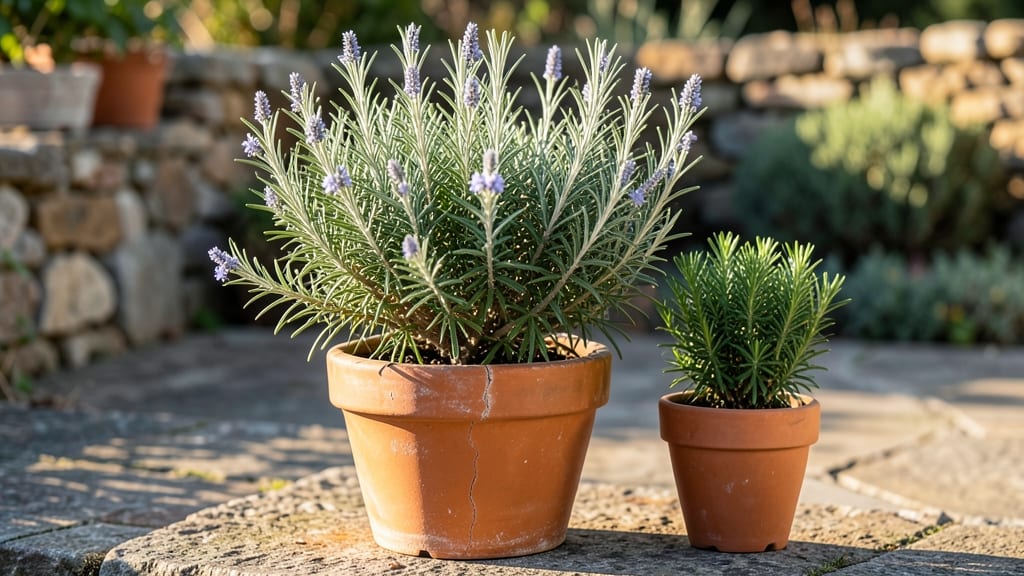
Rosemary thrives in containers when given the right pot size—typically at least 12 inches wide and deep for mature plants, with dwarf varieties needing just 8-10 inches.
If your rosemary 🌿 is stunted or dropping needles, chances are its roots are cramped. Too-small pots lead to poor drainage and root rot, while oversized ones waste space and water. The secret? Matching container size to your plant’s growth stage—and knowing when to upgrade.
Terracotta pots excel at wicking moisture, but plastic holds warmth better in cooler zones. For trailing varieties, wider (not deeper) pots encourage bushier growth, while upright types need depth for strong root systems.
Below, I’ll break down the exact dimensions for each type, plus how to spot when it’s time to repot.
With the right container, your rosemary won’t just survive—it’ll flourish year-round, even in small spaces. Ready to fix those brown tips and woody stems for good?
Ideal pot size for rosemary: minimum dimensions by plant type
Choosing the right pot size for rosemary isn't just about fitting it in your space—it's about giving its roots the room to breathe and drain properly. Rosemary has a deep taproot system that needs depth, while its woody stems require sturdy support as it matures.
Whether you're growing upright varieties like 'Arp' or trailing types such as 'Prostratus,' the container dimensions make all the difference in preventing root-bound stress or stunted growth.
Most gardeners underestimate how much space rosemary needs, especially when starting with small cuttings. A 5-gallon pot might seem generous, but for a mature 3-foot rosemary plant, it’s barely enough.
The key is balancing diameter (for root spread) and depth (for taproot growth), while ensuring drainage holes prevent soggy soil—a common killer of potted rosemary.
Here’s the science-backed breakdown: rosemary roots spread 12-18 inches wide at maturity, but the taproot can grow 2-3 feet deep. This means a 12-inch diameter pot is the absolute minimum for a mature plant, but 16-18 inches is ideal.
For younger plants (under 2 years), a 5-7 gallon container works, but you’ll need to repot every 2-3 years to avoid crowding.
For trailing rosemary varieties, prioritize a wider, shallower pot (like a window box) to accommodate their sprawling growth habit. These types need 14-16 inches of diameter but can thrive with slightly less depth since their roots spread horizontally.
Add an overflow tray to catch excess water and prevent root rot—a common issue in trailing varieties.
One mistake I see often is using plastic pots without drainage holes. Rosemary hates soggy feet, and without proper drainage, roots suffocate. If you love the look of plastic, opt for containers with pre-drilled holes or place a cassette system in a decorative outer pot.
Terracotta pots are another great choice—they wick away moisture and provide natural aeration, but they dry out faster in hot climates.
Pro tip: If your rosemary is root-bound (roots circling the pot), it’s time to upgrade. Gently tease out the roots and trim any that are growing in circles before repotting. This encourages outward growth and prevents the plant from strangling itself.
Use a well-draining soil mix (60% potting soil, 30% perlite, 10% coarse sand) to mimic its Mediterranean native conditions.
Remember, rosemary’s drought tolerance is legendary, but that doesn’t mean it can thrive in a crowded pot. A container that’s too small leads to woody stems and sparse foliage, while one that’s too large retains too much moisture, risking root rot.
Strike the balance, and your rosemary will reward you with lush, fragrant growth for years.
🌿
Rosemary container size mistakes that kill your plant (and how to fix them)
Even with perfect sunlight and soil, your rosemary can still struggle if its container is the wrong size. Root-bound syndrome and stunted growth often start with pots that are either too small or lack proper drainage.
I’ve seen rosemary plants wither in cramped spaces or drown in containers without drainage holes—both are silent killers.
Overcrowded roots compete for nutrients, leading to yellowing leaves and weak stems. Meanwhile, poor drainage causes root rot, which can kill your plant in weeks. The key is balancing space, drainage, and material. Let’s fix these common mistakes before they ruin your harvest.
⚠️ How Big of a Pot Does Rosemary Need?
Minimum size: 12-inch diameter and 10-inch depth for mature plants. Dwarf varieties thrive in 8-inch pots, while standard rosemary needs 16-inch+ containers to prevent root crowding.
Critical fixes: Add drainage holes if missing, and repot every 2 years to refresh soil and space.
If your rosemary’s roots are circling the pot’s bottom like a snail’s shell, it’s root-bound. Gently remove it from the container—if you see roots wrapped tightly around the soil, it’s time to upgrade.
A pot that’s 2-3 inches wider than the root ball gives your rosemary room to breathe and grow.
Poor drainage is another silent killer. Terracotta pots wick away excess moisture, but plastic pots trap water. Always use a well-draining soil mix (60% potting soil, 30% perlite, 10% sand) and avoid saucers that hold standing water.
If your container lacks holes, drill them or choose a self-watering pot with a built-in reservoir.
Yellowing leaves or slow growth? Check the pot’s age. Repot every 2 years in spring, using fresh soil to replenish nutrients. Over time, old soil compacts and loses structure, suffocating roots. Prune back 1/3 of the plant during repotting to encourage bushier, healthier growth.
For trailing varieties like Prostratus rosemary, opt for long, shallow containers (14" x 8") to accommodate their sprawling habit. Hang them near sunny windows or balconies to maximize light exposure. Regular pruning keeps them compact and prevents legginess.
Remember: Bigger isn’t always better. A pot that’s too large holds excess moisture, inviting root rot. Stick to the 12-16 inch range for mature rosemary, and always prioritize drainage over size. With the right container, your rosemary will reward you with fragrant, bushy growth all season long. 🌿