
Planting
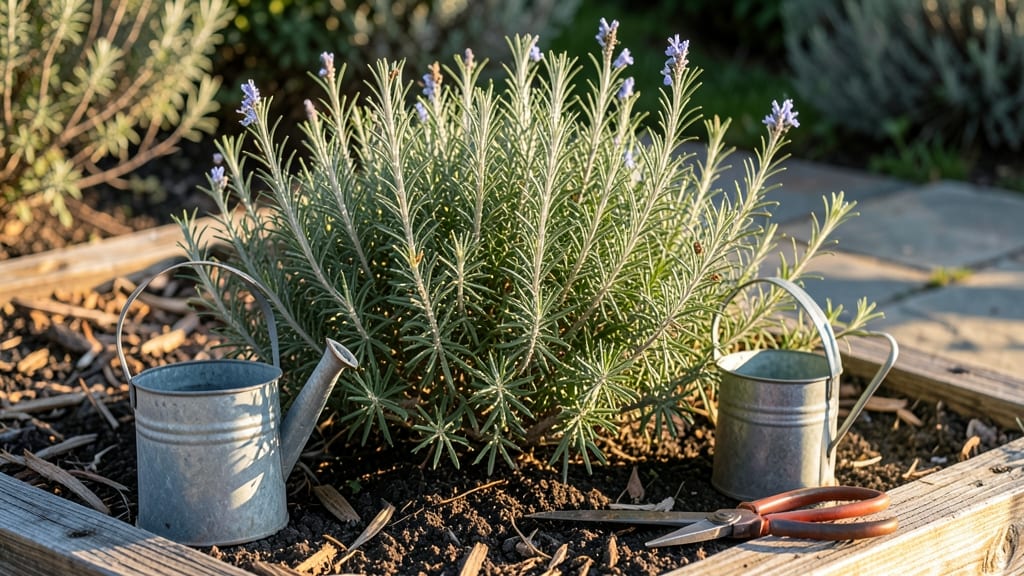
A rosemary plant going brown usually means it’s either drowning or starving for water—most people overwater this drought-loving herb without realizing it. 🌿 I’ve nursed back more than my fair share of crispy rosemary by adjusting care.
The key is letting the soil dry completely between waterings, then giving it a deep drink when the top inch feels bone-dry. Brown edges often signal underwatering, while yellowing stems point to overwatering or poor drainage.
Check the soil first: if it’s soggy, cut back watering and ensure the pot has drainage holes. For underwatering, soak the pot thoroughly until water runs out the bottom, then let it dry again. A quick trim of dead growth helps too—it’s like giving your plant a fresh start.
Within a week, you’ll see new green shoots pushing through if the roots are still healthy. The trick is consistency: rosemary thrives on neglect, not attention. Once revived, it’ll stay lush with proper spacing (12–18 inches apart) and full sun—just don’t let it sit in standing water ever again.
This works for both potted and in-ground rosemary, though container plants need more frequent checks. The first sign of recovery? Bright green needles at the tips—proof you’ve cracked the code!
Why it happens
H2: Root Causes Of Browning Leaves
When your rosemary plant starts turning brown, it’s often a cry for help—whether from environmental stress, over- or under-care, or hidden pests. Understanding the why behind the browning is the first step to bringing back that lush, fragrant green.
Let’s break down the most common culprits and the science behind them.
💧 Overwatering Or Poor Drainage
Rosemary is a drought-tolerant Mediterranean herb, meaning it thrives in dry conditions. When soil stays too wet, roots suffocate from lack of oxygen, leading to root rot—a fungal infection that cuts off nutrient uptake.
This causes leaves to turn yellow or brown, often starting at the tips or edges.
- Signs: Wilting despite wet soil, mushy stems, or a foul odor from the roots.
- Why it happens: Overwatering disrupts the plant’s aeration, while poor drainage traps excess moisture. Rosemary roots need 60% air and 40% water in the soil mix.
- Actionable fix: Let the top 2–3 inches of soil dry out between waterings. Use a well-draining mix (60% potting soil, 30% perlite, 10% sand) and pots with drainage holes.
☀️ Sunburn Or Heat Stress
While rosemary loves sunlight, intense afternoon sun (especially in hot climates) can scorch leaves, causing them to crisp and turn brown. This is common in full-sun exposures without acclimation or during heatwaves.
- Signs: Brown, papery patches on leaves exposed to direct sun, often with a leathery texture.
- Why it happens: High UV radiation and temperatures (>90°F/32°C) trigger oxidative stress, damaging cell membranes. Rosemary’s waxy leaf cuticle can’t always protect against sudden heat spikes.
- Actionable fix:
- Gradually introduce sunlight (start with 4–6 hours/day, then increase).
- Use shade cloth (30–50%) during peak afternoon sun (12 PM–4 PM).
- Mulch with gravel or straw to reflect heat away from roots.
🌡️ Temperature Or Humidity Shifts
Rosemary is a cool-season herb that struggles with extreme cold (<20°F/-7°C) or high humidity (>70%). Sudden temperature drops or soggy air can cause cellular dehydration or fungal growth, leading to brown, curled, or spotted leaves.
- Signs:
- Brown edges or blackened tips in cold drafts.
- Yellow-brown patches with fuzzy mold in humid conditions (sign of powdery mildew).
- Why it happens:
- Cold stress: Ice crystals form in leaf cells, rupturing them (freeze-thaw damage).
- Humidity stress: High moisture + warm temps create ideal conditions for pathogenic fungi.
- Actionable fix:
- Move plants indoors or to a sheltered spot when temps drop below 40°F/4°C.
- Use a dehumidifier or improve airflow with a fan (set to low).
- Prune affected leaves and treat with neem oil (1 tsp per quart of water) for fungal issues.
🍽️ Nutrient Deficiencies Or Over-Fertilization
Rosemary is light on fertilizer needs, but imbalances—especially too much nitrogen or salt—can cause browning. Conversely, deficiencies in magnesium, calcium, or iron lead to interveinal chlorosis (yellowing between veins) that progresses to brown.
| Symptom | Likely Cause | Solution |
|---|---|---|
| Brown, crispy tips on older leaves | Excess salt or nitrogen buildup (from tap water or over-fertilizing) | Flush soil with rainwater or distilled water to leach salts. Use a balanced 10-10-10 fertilizer sparingly (once every 6–8 weeks). |
| Yellowing between veins, then brown | Magnesium deficiency (chlorosis) | Apply Epsom salt (1 tbsp per gallon of water) every 4 weeks. |
| Brown spots on new growth | Calcium deficiency (often from hard water) | Use calcium nitrate (1 tsp per gallon) or switch to rainwater. |
🐜 Pests Or Diseases Attacking Roots/Leaves
Hidden pests like aphids, spider mites, or root-knot nematodes sap rosemary’s vitality, causing leaves to brown as the plant diverts energy to survival. Fungal diseases (e.g., Phytophthora) also thrive in overwatered conditions, rotting roots and stunting growth.
- Signs:
- Pests: Sticky residue (honeydew), tiny webs, or chewed leaf edges.
- Diseases: Dark, mushy stems; wilting despite dry soil.
- Why it happens:
- Pests: They inject toxins (salivary enzymes) that disrupt photosynthesis.
- Diseases: Fungi block xylem vessels, starving leaves of water/nutrients.
- Actionable fix:
- Pests: Spray with insecticidal soap or introduce ladybugs.
- Diseases: Remove infected plants; repot with fresh, sterile soil and fungicide (e.g., copper fungicide).
🌱 Transplant Shock Or Root Damage
Rosemary has a delicate root system that bruises easily during repotting or division. Damaged roots struggle to absorb water/nutrients, causing leaves to brown as the plant enters survival mode.
- Signs: Wilting, brown edges, or stunted growth 1–2 weeks post-transplant.
- Why it happens: Root cells release ethylene gas
How to solve it
H2: Revive Your Rosemary’s Vibrancy
Seeing your rosemary plant turn brown can feel like a gut punch—especially when you’ve nurtured it with care! 🌿💔 But don’t toss it just yet. Most issues are fixable with a little detective work and targeted care.
Below, we’ve mapped the most common causes of browning rosemary to simple, actionable solutions. Follow these steps to nurse your plant back to health—and keep it thriving long-term.
---
If your rosemary’s leaves are mushy, yellowing, or browning at the edges, it’s likely drowning in water. Rosemary is a drought-tolerant Mediterranean herb that hates soggy roots.
#### Fix It:
- 🔥 Check the Soil: Stick your finger 1–2 inches into the soil. If it’s damp, wait before watering. Rosemary prefers soil that’s almost dry between waterings.
- 🍳 Adjust Your Watering Routine:
- Water only when the top 1–2 inches of soil are bone-dry (usually every 1–2 weeks, depending on climate).
- Reduce frequency in winter—rosemary goes semi-dormant and needs far less water.
- 👨🍳 Improve Drainage:
- Repot in a container with drainage holes if it’s in a pot.
- Amend heavy or clay soil with perlite, coarse sand, or gravel (mix in 20–30% for better aeration).
#### Prevent It:
💡 Pro Tip: Group rosemary with other drought-loving plants like lavender or thyme in a well-draining raised bed or container. Use a moisture meter to avoid guesswork!
---
Sudden browning or crispy edges on leaves exposed to direct sun? Your rosemary might be sunburned—common when moving plants from shade to full sun too quickly.
#### Fix It:
- 🌡️ Gradually Acclimate: If recently moved outdoors, harden off your rosemary by exposing it to morning sun only for a week before full sun.
- 🌳 Provide Afternoon Shade: Use a light shade cloth (30–50%) or move pots to a spot with dappled sunlight during peak afternoon heat (12 PM–4 PM).
- 💦 Water Deeply in Heatwaves: Mulch with gravel or pebbles (not organic mulch) to reflect heat and retain moisture.
#### Prevent It:
✨ Best Practice: Rosemary thrives in full sun (6+ hours/day) but can handle partial shade in extreme heat zones (zones 8–10). If growing in a pot, choose a light-colored container to reduce heat absorption.
---
Dark brown spots, wilting, or a white powdery coating? Fungal diseases like root rot or powdery mildew can turn rosemary leaves brown. Bacterial infections may cause yellowing with brown edges.
#### Fix It:
- 🔪 Prune Affected Areas: Snip off brown, spotted, or mushy leaves with sterilized scissors (wipe with rubbing alcohol).
- 🌿 Treat Fungus Naturally:
- Spray leaves with a 1:10 ratio of hydrogen peroxide to water (3% solution) every 7–10 days.
- Apply neem oil spray (1 tsp neem oil + 1 tsp mild soap + 1 quart water) weekly until symptoms fade.
- 🏥 Severe Cases? Repot in fresh, sterile potting mix and treat roots with fungicide (like copper-based solutions).
#### Prevent It:
🎯 Long-Term Defense:
- Avoid overhead watering—use a drip irrigation system or water at the base.
- Space plants 3–4 feet apart for airflow (or prune for better circulation in pots).
- Sterilize tools between uses to prevent spread.
---
Brown, crispy leaves after a cold snap? Rosemary is tender to frost and can’t handle temps below 20°F (-6°C). Damage often appears as brown patches or blackened tips.
#### Fix It:
- 🌡️ Trim Damaged Growth: Cut back dead or discolored stems to encourage new growth. Healthy stems are green and firm.
- 🏡 Protect from Future Chill:
- Move potted rosemary to a garage or sheltered spot before temps drop below 30°F (-1°C).
- Cover outdoor plants with frost cloth if frost is forecasted.
- 🌱 Wait for Warmth: New growth will sprout once temps rise above 50°F (10°C).
#### Prevent It:
💡 Cold-Hardy Hack: If you live in USDA zones 7–9, plant rosemary in well-draining soil near a south-facing wall to absorb reflected heat. In colder zones, grow it as an annual or overwinter indoors.
---
Yellowing between veins with brown tips? Your rosemary might be starving for nutrients or burned by excess fertilizer. Over-fertilizing (especially with nitrogen-heavy mixes) can cause leaf tips to brown.
#### Fix It:
- 📊 Test Your Soil: Use a soil test kit to check pH (ideal: 6.0–7.0) and nutrient levels.
- 🥗 Feed Lightly:
- Use a balanced, diluted fertilizer (like 10-10-10) once in spring.
- Avoid high-nitrogen fertilizers—they promote leafy growth at the expense of woody stems.
- 🌿 Boost Organic Matter: Mix in compost or worm castings (10%) for slow-release nutrients.
#### Prevent It:
💪 Feed Smart: Rosemary prefers lean
Frequently asked questions
Why are my rosemary leaves turning brown at the tips?
Brown tips usually mean your rosemary is thirsty or suffering from salt buildup. Check if the top 1-2 inches of soil are completely dry—if so, it needs water. If your plant gets tap water regularly, flush the soil with rainwater or distilled water to remove accumulated salts.
Can I save rosemary that's completely brown and crispy?
Not always—but check the stems first! If they're still firm and green underneath the brown, trim back the dead growth and adjust care. For severely damaged plants, take healthy cuttings (4-6 inches) and root them in water or well-draining soil. New growth should appear within 2-3 weeks if the roots are healthy.
How often should I water rosemary in winter?
Cut back dramatically! In winter, water only when the soil is completely dry down to 3-4 inches deep—often just once every 3-4 weeks. Rosemary goes semi-dormant in cold months, so overwatering is the #1 killer. Place pots in a sheltered spot to protect from freezing temperatures.
What's the fastest way to revive an overwatered rosemary?
Stop watering immediately and improve drainage. Repot in fresh, gritty mix (60% potting soil + 30% perlite + 10% sand) with drainage holes. Place the pot in a sunny spot and let the soil dry completely between waterings. Within 1-2 weeks, you should see new green growth if the roots aren't completely rotted.
Is it normal for rosemary to drop brown leaves in spring?
Yes! This is often a natural pruning process as the plant prepares for new growth. Simply trim away the brown leaves and stems to encourage fresh foliage. The key is to maintain 6-8 hours of sunlight daily and avoid fertilizing—rosemary thrives on neglect in spring.