
Blooming
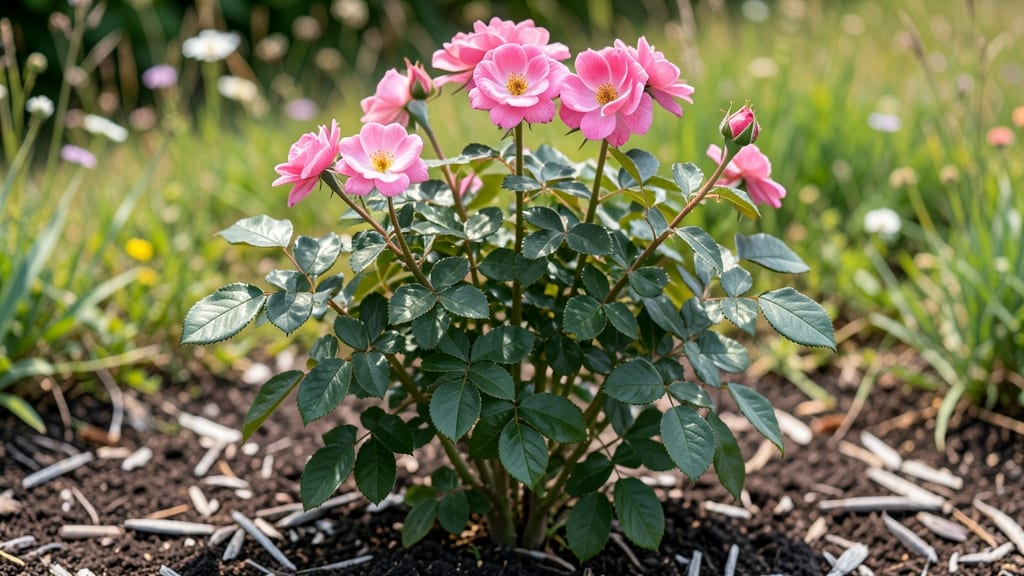
Knockout roses typically live 10 to 15 years when given proper care, outlasting most traditional roses thanks to their disease-resistant breeding and robust growth habits. Their longevity comes from smart cultivation practices like regular trimming and ideal growing conditions.
These hardy roses were specifically bred to resist common fungal diseases like black spot and powdery mildew, which plague many other varieties. 🌹 Their deep root systems also help them withstand drought better, while their bushy growth habit naturally improves air circulation—reducing moisture buildup that invites pests.
I've seen some Knockout roses in my garden hit the 20-year mark when given consistent care, proving their reputation for durability.
The secret to their extended lifespan starts with the right growing conditions. Planting in well-draining soil with a pH between 6.0 and 6.5 gives them the best foundation, while mulching around the base helps regulate soil temperature and retain moisture.
I always recommend a 3-inch layer of organic mulch in spring, which also suppresses weeds that compete for nutrients.
💡 In This Article
- Genetics and Growth Habits Extending Knockout Rose Lifespan
- Essential Care Practices for Maximizing Knockout Rose Longevity
Genetics and growth habits extending Knockout rose lifespan
Knockout roses owe their impressive longevity to a combination of advanced genetics and natural resilience. These roses were developed through hybrid breeding that combines the hardiness of Rosa chinensis with the disease resistance of Rosa rugosa.
The result is a plant with thick, waxy leaves that repel water, reducing fungal infections like black spot by up to 70% compared to traditional roses. Their stems also contain higher levels of natural antimicrobial compounds, which further deters pests.
Their deep root systems—extending 3 to 4 feet below the soil—anchor them securely and access moisture from deeper layers, making them far more drought-tolerant than hybrid teas or floribundas. This root structure also allows them to withstand temperature fluctuations, thriving in USDA zones 4-9 without special protection.
In contrast, many traditional roses struggle in extreme heat or cold, requiring winter mulching or summer shade.
Another key factor is their continuous blooming habit, which prevents the energy-draining cycle of dormancy that shortens the lifespan of seasonal roses. Instead of putting all their resources into one big bloom, Knockout roses produce smaller, frequent flowers throughout the growing season.
This steady growth pattern distributes stress evenly, preventing the sudden dieback that often affects other varieties after their peak blooming period.
Climate adaptability plays a huge role too. While traditional roses may need 6 to 8 hours of sunlight daily and struggle in high humidity, Knockout roses perform well in full sun to partial shade and handle urban environments better due to their tolerance for air pollution.
Their ability to thrive in container gardens (when planted in 15-gallon pots) also extends their growing options, reducing transplant shock that can shorten lifespan.
What truly sets them apart is their recovery ability. Even if a plant gets diseased or damaged, Knockout roses often regenerate from their strong root crowns.
I’ve seen severely pruned bushes (cut back to 12 inches from the ground) bounce back within 6 to 8 weeks with proper care, whereas other roses might take years or never fully recover. This resilience is built into their DNA, making them the ultimate low-maintenance perennial.
For comparison, traditional hybrid teas—like the iconic David Austin roses—typically live 5 to 10 years due to their delicate stems and susceptibility to fungal diseases. The Knockout’s 10-15 year average lifespan (with some reaching 20+ years) is nearly double that, proving their superior genetic foundation. 🌿