
Flowers
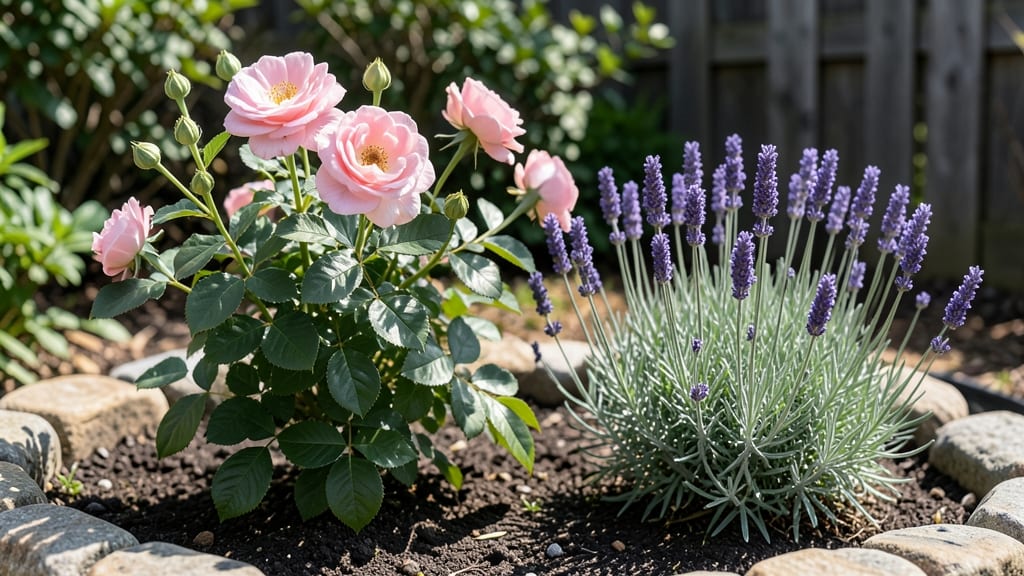
Pink roses and lavender together create a fragrant, dreamy garden that hums with bees and butterflies. 🌸 I’ve designed beds where the soft pink blooms contrast perfectly with lavender’s silvery foliage, and the scent?
Unbeatable—sweet and herbal all at once. This combo isn’t just pretty; it’s a pollinator magnet that thrives in full sun and well-drained soil.
The secret to making them shine is layering heights and textures. Plant lavender as a mid-height border or container edge, then tuck roses behind it—let the roses’ lush petals peek through while the lavender’s spikes add vertical interest.
Add silver foliage plants like lamb’s ear or dusty miller to echo the lavender’s tones, and suddenly your garden feels like a storybook.
By midsummer, you’ll have a garden that smells like a Provence meadow and stays vibrant all season. The roses bloom from early summer to frost, while lavender’s flowers last even longer, drying beautifully for winter arrangements.
Plus, the two plants share similar care needs—same sun, same water, same love for good drainage.
This pairing works in borders, containers, or even as a fragrant hedge. For extra drama, add climbing roses nearby to create a romantic, fragrant backdrop. The best part? Every time you walk by, your garden will feel like a quiet, fragrant hug waiting for you.
📚 In This Guide
- What you need
- Instructions
- Tips and common mistakes
- Wrapping up and next steps
What you need
- ● Pink Roses: 1–3 pink rose bushes (e.g., 'Blaze,' 'Double Delight,' or 'Pink Peace'—choose disease-resistant varieties for pollinators!)
- ● 1 gallon well-draining potting mix (or 2 cubic yards for in-ground planting)
- ● Lavender: 3–5 lavender plants (e.g., Lavandula angustifolia or L. x intermedia—drought-tolerant and bee-loved!)
- ● 1 bag sandy loam soil (lavender hates soggy roots!)
- ● Prerequisites: Full sun location (6+ hours daily)
- ● pH-tested soil (roses: 6.0–6.5; lavender: 6.5–7.5)
- ● Pollinator-friendly spacing (3–5 ft between plants)
- ● Required: Garden trowel or shovel
- ● Pruning shears (sterilized with rubbing alcohol)
- ● Watering can or hose with gentle nozzle
- ● Mulch (2–3 inches of pine bark or gravel to retain moisture)
- ○ Optional (but helpful!): Slow-release rose fertilizer (10-10-10 NPK ratio)
- ● Organic compost for soil enrichment
- ● Cage or trellis for climbing roses
- ● Pollinator-friendly companion plants (e.g., bee balm or salvia)
How to plant pink roses and lavender for a pollinator-friendly garden
Here's how to create a fragrant, low-maintenance duo that thrives together and attracts bees all season.
🌱 Step 1: Choose the Right Location for Both Plants
Pink roses and lavender both crave full sun—at least 6-8 hours daily—but they have different soil preferences. Test your soil first: lavender thrives in dry, well-draining soil with a pH of 6.0-8.0, while roses prefer slightly acidic soil (6.0-6.5). If your soil is heavy clay, amend it with 2-3 inches of compost and mix in 1 part sand to 3 parts soil for lavender.
Space plants 3-4 feet apart—roses need room to spread, while lavender grows in compact mounds. I like to plant lavender on the north side of roses to avoid shading them. Avoid low-lying areas where water pools; both plants hate soggy roots. The ideal spot is a slight slope or raised bed where excess water drains away immediately.
☀️ Step 2: Plant Roses and Lavender at the Correct Depth
For roses, dig a hole twice as wide as the root ball but no deeper. Gently loosen the roots if they're circling and position the plant so the graft union (the swollen bump near the base) sits 2 inches above soil level. This prevents soil from smothering the graft and encourages strong growth. Fill the hole halfway with water and let it drain completely before adding soil.
Lavender prefers a shallower hole—just 1 inch deeper than its root ball. Press the soil firmly around the base to eliminate air pockets, then water thoroughly. Unlike roses, lavender roots are shallow and need good contact with soil to establish quickly. I always add a 1-inch layer of gravel around the base after planting to improve drainage further.
💧 Step 3: Water and Mulch for Long-Term Success
Water roses deeply once a week (or more in extreme heat) until the soil is 6-8 inches deep and moist. Lavender, however, needs far less—water it only when the top 2 inches of soil feel completely dry. Overwatering is the fastest way to kill lavender. I use a soaker hose for roses to keep foliage dry and prevent fungal diseases.
Apply 2-3 inches of mulch around roses, keeping it 3 inches away from the stem to prevent rot. For lavender, use a thin layer of gravel or coarse sand instead—organic mulch smothers its shallow roots. This setup keeps soil temperatures stable and reduces watering needs for both plants.
✂️ Step 4: Prune and Maintain for Continuous Blooms
Prune roses after their first flush of blooms in early summer. Cut back spent flowers to just above a 5-leaflet leaf to encourage more blooms. For lavender, prune lightly after flowering by trimming back ⅓ of the growth with sharp shears. Never cut into old wood—lavender blooms on new growth, and severe pruning can kill the plant.
Fertilize roses with a balanced rose fertilizer every 6-8 weeks during growing season, but skip fertilizer for lavender entirely. Too much nitrogen makes lavender grow weak and woody. Instead, I side-dress lavender with 1 cup of compost in early spring to feed the soil naturally.
🐝 Step 5: Encourage Pollinators Year-Round
Plant companion flowers like bee balm, catmint, or marigolds nearby to extend the pollinator season. Both roses and lavender attract bees, but adding more nectar sources keeps them visiting longer. Avoid pesticides—neonicotinoids and systemic insecticides harm pollinators and can linger in lavender flowers.
Leave some seed heads on lavender plants in fall for winter interest and food for birds. Deadhead roses only after they've finished blooming to allow hips to form, which provide food for wildlife. This simple approach turns your garden into a pollinator magnet while keeping maintenance light.
Tips & tricks for perfect pollinator-friendly plant pairings
These simple strategies will help your pink roses and lavender thrive together while keeping maintenance effortless.
Soil Prep Secret: Before amending your soil for lavender, spread a 1-inch layer of coarse sand at the bottom of the planting hole. This creates a drainage layer that prevents water from pooling around lavender's shallow roots—something I learned after losing two plants to soggy soil. For roses, mix in 1 cup of Epsom salt with the compost to boost magnesium levels, which enhances bloom production.
Planting Depth Visual: For roses, imagine the graft union should sit at the height of a golf ball above soil level—this prevents soil from smothering the graft while allowing roots to establish properly. Lavender's root ball should sit just below the soil surface, like a small hillock. Press firmly around the base to eliminate air pockets, which can cause transplant shock in both plants.
Watering Hack: Install a simple drip irrigation system with separate emitters for roses and lavender. Set roses to release 1 gallon per hour once weekly, while lavender only needs ½ gallon every 10 days. This precision prevents overwatering while keeping both plants happy. I use a timer to automate the system and avoid the guesswork.
Pruning Timing: Mark your calendar for late May—this is when roses typically finish their first flush of blooms. Prune them immediately to encourage continuous flowering, but wait until after lavender's first bloom (usually June) before giving it that light haircut. I always prune lavender with clean, sharp shears and avoid cutting into the woody stems to preserve the plant's structure.
Pro Tips for Pink And Lavender Roses
- These simple strategies will help your pink roses and lavender thrive together while keeping maintenance effortless.
- Soil Prep Secret: Before amending your soil for lavender, spread a 1-inch layer of coarse sand at the bottom of the p...
- Planting Depth Visual: For roses, imagine the graft union should sit at the height of a golf ball above soil level—th...
Frequently asked questions
Got questions about growing pink and lavender roses together? You’re not alone! Here are some common queries—and their answers—to help you create the perfect pollinator paradise in your garden.
Are pink roses and lavender compatible in the same garden bed?
Pink roses and lavender thrive together because they share similar care needs—full sun, well-drained soil, and moderate watering. Lavender’s drought tolerance balances roses’ thirstier roots, making them a dynamic duo. Just avoid overcrowding; give each plant 2–3 feet of space for airflow.
When is the best time to plant pink roses and lavender?
For roses, plant bare-root varieties in early spring or fall, while container-grown roses can go in anytime (except winter). Lavender prefers spring or early fall planting to establish roots before summer heat. Avoid planting lavender in soggy soil—it hates wet feet!
How often should I water pink roses and lavender?
Roses need deep watering 1–2 times per week (more in extreme heat), while lavender is drought-tolerant and only needs watering every 2–3 weeks once established. Use drip irrigation or soaker hoses to target roots—lavender wilts if overwatered!
Will this combo attract more pollinators than planting them separately?
Yes! Pink roses and lavender are pollinator magnets. Roses provide nectar for bees and butterflies, while lavender’s fragrant blooms lure hoverflies and solitary bees. Together, they create a year-round buffet (roses bloom spring–fall; lavender blooms late spring–summer). Add native wildflowers for extra buzz!
Why are my lavender plants turning brown, even though my roses look fine?
Brown lavender often signals overwatering, poor drainage, or fungal issues. Check soil moisture—lavender should feel dry 2 inches down. If roots look mushy, trim affected stems and repot in gritty, fast-draining soil. Avoid wetting foliage (water at the base) to prevent mildew.
Can I grow pink roses and lavender in containers?
Yes! Choose large pots (12+ inches deep) with drainage holes for roses, and smaller containers (8–10 inches) for lavender. Use a mix of potting soil and perlite for roses, and a sandy, mineral-rich blend for lavender. Group containers near a sunny wall or patio for warmth.
Wrapping up and next steps
Pink and lavender roses aren’t just a feast for the eyes—they’re a fragrant haven for pollinators and a dream for gardeners! 🌸 These two beauties create a harmonious, low-maintenance duo that thrives with minimal fuss while boosting biodiversity. Whether you’re a seasoned gardener or just starting, their versatility and pollinator appeal make them a must-have.
Ready to transform your garden? Start small—plant a few pink roses and lavender today, and watch your outdoor space buzz with life! Need inspiration? Sketch a simple layout or grab a shovel—your pollinator paradise awaits. 🌿