
How To
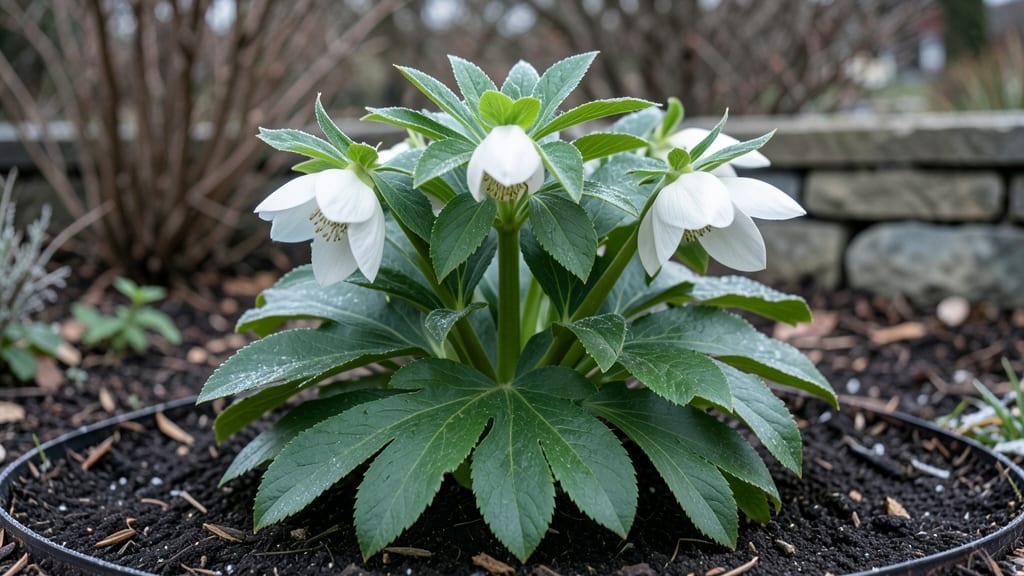
Wondering how tall do lenten roses grow, you’ll find they reach heights of 1 to 2 feet at maturity, making them a compact yet striking garden addition 🌸.
If you’re dreaming of vibrant, low-maintenance blooms but worry about space constraints, lenten roses (Helleborus orientalis) might be your perfect solution—yet their height can vary dramatically depending on variety and care.
While most stay within that 1- to 2-foot range, some dwarf cultivars top out at just 6 to 12 inches, while others may stretch slightly taller with ideal conditions. The key is choosing the right type for your space and learning how pruning and sunlight influence their growth.
Below, I’ll break down height expectations by variety, spacing tips to avoid overcrowding, and whether these hardy perennials need staking—or if they’re sturdy enough to stand tall on their own.


Lenten rose height by variety: compact vs. towering types
One of the most common questions I hear from gardeners is, "How tall do lenten roses grow?" The answer depends entirely on the variety, as some types stay neatly compact while others reach impressive heights.
For example, ‘Winter Jewels’ typically remains under 12 inches, making it perfect for container gardens or rockeries, while ‘Annie’s Winter Wonderland’ can stretch up to 24 inches when mature. Understanding these differences helps you choose the right lenten rose for your space.
Lenten roses (Helleborus orientalis) generally fall into three height categories: dwarf (under 12 inches), medium (12-18 inches), and tall (18-24 inches). The key factor influencing height is the cultivar—some were bred specifically for compact growth, while others thrive in taller, more dramatic forms.
Even within the same variety, factors like pruning habits, soil fertility, and sunlight exposure can nudge your plants toward the higher or lower end of their range.
The ‘Pink Frost’ variety, for instance, usually tops out around 16 inches, but with aggressive pruning, you can keep it closer to 10-12 inches. Meanwhile, ‘Helleborus ‘Cinnamon Snow’ leans toward the taller side, often reaching 18-22 inches in ideal conditions.
These variations make lenten roses incredibly versatile, whether you're designing a border garden, woodland setting, or even a windowsill display.
Here’s a quick visual guide to help you compare popular lenten rose varieties by height:
When selecting lenten roses, consider not just their height but also their spread. Some varieties, like ‘Green Eyes’, spread wider than they grow tall, making them ideal for filling gaps in garden beds.
Others, such as ‘Annie’s Winter Wonderland’, grow taller and narrower, perfect for creating vertical interest in shady areas. Always check the spacing recommendations on seed packets or nursery tags—most suggest planting lenten roses 12-18 inches apart to allow for airflow and prevent disease.
If you’re growing lenten roses in containers, choose dwarf varieties or prune taller types regularly to keep them within 10-12 inches. A 12-inch pot works well for most compact varieties, while larger containers (up to 18 inches) accommodate taller types.
Use a well-draining potting mix with added compost to encourage healthy root growth, which directly impacts how tall your lenten rose will become.
One common misconception is that lenten roses grow taller after flowering. In reality, their height is determined by the cultivar and growing conditions—not the presence of blooms.
However, deadheading spent flowers can encourage more blooms and slightly bushier growth, which may make the plant appear fuller without increasing height significantly. For varieties prone to legginess, a light spring pruning can help maintain a compact shape.
For gardeners with limited space, ‘Winter Jewels’ and ‘Green Eyes’ are my top picks—they thrive in small pots or even hanging baskets with proper care. If you love drama, ‘Cinnamon Snow’ or ‘Annie’s Winter Wonderland’ will add height and texture to shady corners.
Just remember: the soil quality and watering routine play a huge role in whether your lenten rose hits its potential height or stays on the shorter side.
Pro tip: Take a photo of your lenten roses in late spring when they’re fully grown. Compare it to the height ranges in the table above—you’ll quickly see how care (or lack thereof) affects their growth. With the right variety and a little attention, you can enjoy lenten roses
How pruning style affects lenten rose growth and height control
Pruning isn’t just about tidying up your lenten roses—it’s a powerful tool to control their height and shape. These hardy perennials naturally grow 12-18 inches tall at maturity, but aggressive or improper pruning can stunt growth or encourage leggy stems.
The key lies in understanding when and how to cut, as well as recognizing the subtle differences between shaping cuts and deadheading.
For bushier growth, focus on light pruning after flowering to encourage new shoots from the base. However, if your garden space is limited, strategic height-control cuts can keep plants compact without sacrificing blooms.
The timing of your cuts—whether in early spring, post-bloom, or late summer—will determine whether your lenten roses stay low-growing or reach their full 18-inch potential.
Cutting back more than 1/3 of the plant in one session can stunt blooming for the season. Lenten roses store energy in their rhizomes, so aggressive pruning removes next year’s flower buds. Always prune gradually and avoid shearing—this encourages weak, sparse growth.
Start with deadheading spent blooms to redirect energy into new flowers rather than seed production. Use clean, sharp pruning shears and cut just above a leaf node or bud to promote branching.
For height control, make angled cuts just above an outward-facing bud to encourage wider, more compact growth. Avoid cutting into old wood, as lenten roses rarely regrow from woody stems.
Seasonal timing matters most. Prune in late winter or early spring (before new growth appears) to shape the plant for the year. After flowering, remove only dead or damaged foliage—never cut back healthy leaves, as they photosynthesize to fuel next year’s blooms.
In late summer, you can lightly trim leggy stems to maintain a neat, rounded shape without sacrificing winter hardiness.
If you’re growing lenten roses in containers, pruning becomes even more critical. Root-bound plants grow taller and leggier, so regular deadheading and light pinching of new shoots will keep them under 12 inches.
Pair this with annual repotting in early spring to refresh the soil and encourage bushier habits. Remember, lenten roses thrive on gentle guidance—never rush their growth cycle.
For maximum height, avoid pruning entirely and let the plant reach its 18-inch mature height. However, this requires well-draining soil, partial shade, and consistent moisture. In dry or sunny conditions, even unpruned plants may stay shorter due to stress.
Always monitor your lenten roses’ response to pruning—adjust your approach based on whether they’re bushier or taller than desired. 🌿✂️🌸