
Container Gardens
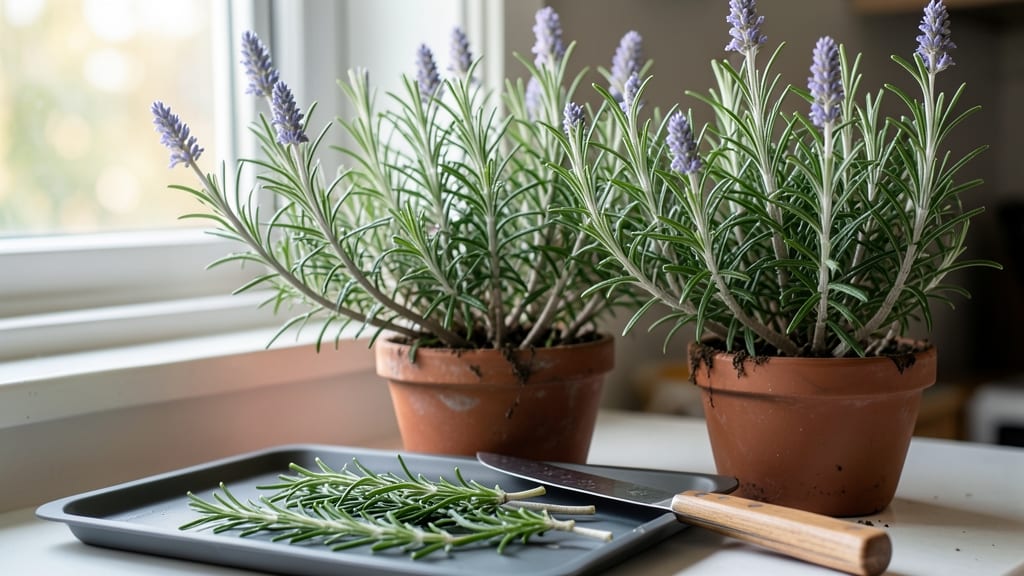
Dehydrating rosemary transforms your summer harvest into fragrant winter treasure. ✨ I’ve turned my kitchen into a spice pantry by mastering this simple process—no fancy equipment needed, just fresh sprigs and patience.
The key is timing: harvest before flowering for the strongest flavor, then trim stems to focus energy on the leaves.
You’ll need just three things: rosemary sprigs, a clean cutting board, and either an oven, dehydrator, or even a sunny windowsill. For the oven method, spread sprigs on a baking sheet at 200°F for 2-3 hours until crisp.
A dehydrator cuts that to 4-6 hours at 135°F, while air drying takes 2-3 weeks in a dark, dry spot. Each method preserves that piney aroma perfectly.
The result? Crumbly, aromatic rosemary that enhances everything from roasted meats to homemade bread. Store in airtight containers away from light, and you’ll have fresh-tasting herbs year-round. The first time I sprinkled my homemade rosemary on garlic bread, I nearly cried—it tasted like summer in January.
Pro tip: Grind dried rosemary just before using for peak flavor. And if you’re growing more than you can use, this method works for thyme, oregano, and sage too. Let’s preserve that garden magic!
📚 In This Guide
- What you need
- Instructions
- Tips and common mistakes
- Wrapping up and next steps
What you need
- ● Fresh rosemary sprigs: 1–2 large bunches (about 2–3 cups of sprigs, trimmed to 3–4 inch lengths). Choose organic if possible for the best flavor!
- ● Dehydrator: A food dehydrator with adjustable temperature settings (ideal for even drying). Alternative: A clean, oven-safe baking sheet + low oven heat.
- ● Sharp kitchen shears or scissors: For clean cuts (avoid crushing the stems!).
- ● Parchment paper or dehydrator trays: Lined with parchment to prevent sticking.
- ● Air-tight storage containers: Glass jars or resealable bags with oxygen absorbers (for long-term freshness).
- ● Silicon mats or dehydrator sheets (for easier cleanup).
- ● Food-grade oxygen absorbers (to extend shelf life).
- ● Desiccant packs (for extra moisture control in storage).
- ● Labeling markers (to track dehydration dates).
Step-by-step guide to dehydrating rosemary
Here's how I preserve rosemary's bold flavor so it stays vibrant in your kitchen all year.
🌿 Step 1: Harvest and Prepare the Rosemary
Pick fresh rosemary stems on a dry morning after the dew has evaporated. Look for stems with tight, green needles and a strong aroma—these are your best candidates. Cut stems to about 4-6 inches long, removing any woody or yellowed sections at the base.
Give the stems a quick rinse under cool water to remove dirt, then pat them dry with a clean towel or paper towels. The goal is to start with completely dry stems—any moisture left will slow down dehydration and risk mold. I like to bundle the stems into small, loose bundles and hang them upside down for 1-2 hours in a warm, dry spot to ensure all moisture evaporates before processing.
☀️ Step 2: Choose Your Dehydration Method
You have three reliable options: a food dehydrator, your oven, or even a sunny windowsill. For a food dehydrator, set the temperature to 95°F-115°F—this gentle heat preserves oils and flavor without cooking the herbs. Arrange the rosemary sprigs in a single layer on the dehydrator trays, ensuring they don’t overlap. If using an oven, preheat to its lowest setting (usually 170°F-190°F) and prop the door open slightly with a wooden spoon to allow moisture to escape.
For the windowsill method, place the rosemary on a wire rack or mesh screen over a baking sheet. Position it in a spot that gets full, direct sunlight for 3-5 days, stirring the herbs gently each day to ensure even drying. This method works best in hot, dry climates with low humidity.
⏰ Step 3: Dehydrate Until Completely Dry
Check the rosemary after 2-4 hours in the dehydrator or oven. It’s ready when the needles crumble easily between your fingers and the stems snap cleanly when bent. For oven drying, this typically takes 1-3 hours, while dehydrator drying may take 2-6 hours depending on humidity levels. The windowsill method will take the longest—3-5 days—but it’s a great option if you don’t have access to other tools.
Remove the rosemary immediately once dry to prevent reabsorption of moisture from the air. Store it in an airtight container, away from light and heat. Properly dehydrated rosemary should keep its flavor and color for 6-12 months.
🪴 Step 4: Store for Long-Term Use
Transfer the dried rosemary into a clean, airtight container like a glass jar or vacuum-sealed bag. I like to crush the stems lightly with a rolling pin or mortar and pestle to release the oils and intensify the flavor. Label the container with the date to keep track of freshness. Store it in a cool, dark pantry or freezer for maximum shelf life.
When using, measure by the sprig rather than weight—1 tablespoon of fresh rosemary equals 1 teaspoon of dried. The dried herb is potent, so start with a smaller amount and adjust to taste. If stored properly, your dehydrated rosemary will retain its aromatic punch for months, ready to elevate any dish.
Tips & tricks for perfectly dehydrated rosemary
These little details make all the difference between rosemary that loses its punch and herbs that stay vibrant for months.
Harvest Timing Matters: The best time to harvest rosemary is right after sunrise when the dew has evaporated but before the heat of midday. This ensures the stems are dry and packed with essential oils. I always avoid harvesting after rain—wet stems take much longer to dry and can develop mold during dehydration. If you must harvest later in the day, give the stems an extra 30 minutes of hanging time to evaporate any surface moisture before processing.
Dehydrator Temperature Secrets: While the 95°F-115°F range works, I've found that setting your dehydrator to the lower end (95°F) preserves more of the delicate oils that give rosemary its signature aroma. If your dehydrator doesn't go that low, use the lowest setting available—even 120°F will work, but you may need to check the rosemary more frequently. The key is gentle, consistent heat that evaporates moisture without cooking the herbs.
Testing for Doneness: The crumble test is your best friend—when the needles break apart easily between your fingers, that's your cue. For stems, they should snap cleanly when bent, not bend with resistance. I also look for a slight papery texture on the leaves. If you're unsure, let them dry another hour—they won't over-dry like some foods, but they can lose more flavor if left too long in the dehydrator.
Storage Wisdom: The moment your rosemary is completely dry, transfer it to an airtight container immediately. I've learned the hard way that leaving it exposed—even for a few hours—can cause it to reabsorb moisture from the air. For maximum shelf life, store in a dark glass jar with a tight-sealing lid. The freezer is actually my preferred long-term storage option—it preserves the oils even better than a pantry, keeping the rosemary potent for up to 18 months.
Pro Tips for Dehydrate Rosemary
- These little details make all the difference between rosemary that loses its punch and herbs that stay vibrant for months.
- Harvest Timing Matters: The best time to harvest rosemary is right after sunrise when the dew has evaporated but before the heat of midday.
- Dehydrator Temperature Secrets: While the 95°F-115°F range works, I've found that setting your dehydrator to the lower end (95°F) preserves more of the delicate oils that give rosemary its signature aroma.
Frequently asked questions
Got questions about dehydrating rosemary? You’re not alone! Here are answers to the most common concerns—so you can preserve that fragrant flavor with confidence.
How long does dehydrated rosemary last?
When stored properly in an airtight container (like a jar or vacuum-sealed bag), dehydrated rosemary keeps its flavor and potency for 6–12 months. Keep it in a cool, dark place—like your pantry—to avoid moisture or light exposure, which can degrade the oils.
How do I know when rosemary is fully dehydrated?
Your rosemary is ready when the leaves are completely dry and brittle—they should crumble easily between your fingers. If any stems or leaves still feel slightly pliable, return them to the dehydrator for 1–2 more hours (check every 30 minutes to avoid burning).
Can I dehydrate rosemary in an oven instead of a dehydrator?
Preheat your oven to 200°F (93°C) and prop the door open slightly with a wooden spoon. Arrange rosemary sprigs on a baking sheet lined with parchment paper, then dehydrate for 2–4 hours, stirring occasionally. Avoid higher temps—it’ll dry too fast and lose flavor!
Why does my dehydrated rosemary smell weaker than fresh?
Heat and time can strip rosemary of its aromatic oils, but don’t worry—you can revive the flavor! Crush the dried sprigs lightly with a mortar and pestle or store them whole in a jar with a bay leaf or cinnamon stick to boost potency. Use within 6 months for the best results.
What’s the best way to store dehydrated rosemary for cooking?
For long-term storage, keep rosemary in an airtight glass jar away from light and heat. If you’ll use it often, store sprigs in a smaller container to preserve freshness. For quick access, crush leaves into a spice grinder—just add a pinch of salt to prevent clumping!
Wrapping up and next steps
Dehydrating rosemary is a simple yet game-changing way to keep its vibrant flavor and aromatic magic alive all year round! 🌿 Whether you’re stocking up for winter soups, holiday roasts, or homemade seasoning blends, this method ensures you never run out of fresh-tasting goodness.
Now that you’ve mastered the process, why not experiment with infused oils, homemade herb blends, or even rosemary-infused sugar? The possibilities are endless—get creative and enjoy the rewards of your hard work!