
How To
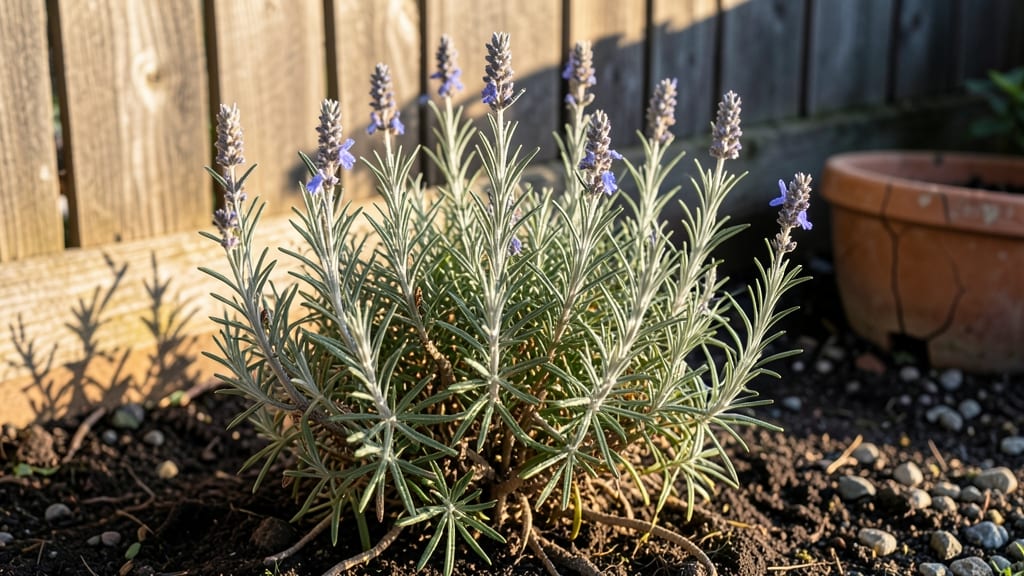
Drying rosemary herb isn't just about saving stems—it's about capturing that piney, woodsy aroma that makes your kitchen smell like a Tuscan hillside all winter long. 🌿 I've learned the hard way that cutting at the wrong time or storing it poorly turns your dried rosemary into brittle, flavorless sticks.
The secret lies in timing your harvest just right and handling it with care from pruning to storage.
Start by harvesting rosemary in the morning after the dew has dried but before the midday heat sets in. Use clean, sharp pruners to cut just above a leaf node—this encourages bushier growth and more harvests.
Bundle the stems with rubber bands and hang them upside down in a warm, dry, dark place like a pantry or closet. Within 2-3 weeks, the needles will turn crisp and release that signature fragrance when crushed.
Once dried, store the rosemary in an airtight container away from light to preserve its flavor for up to a year. The best part? You’ll have year-round access to that fresh-from-the-garden taste, whether you’re seasoning roasts, infusing oils, or making homemade herbal remedies.
For even better results, grow your rosemary in full sun with well-draining soil—this ensures the most potent, flavorful stems to begin with.
Pro tip: Avoid overcrowding your plants, and never harvest more than one-third of the plant at a time. This keeps your rosemary bushy and productive, so you’re always stocked with fresh (or soon-to-be dried) herbs.
Trust me, your future self will thank you when you’re sipping rosemary tea in January and it still smells like summer.
📚 In This Guide
- What you need
- Instructions
- Tips and common mistakes
- Wrapping up and next steps
What you need
- ● Dry rosemary herb: 1–2 sprigs (or a small bunch if harvesting fresh) for pruning and propagation.
- ● Pruning shears: Sharp, clean bypass pruners (or small garden scissors) to make precise cuts.
- ● Rubbing alcohol (70% or higher): A small bottle to sterilize tools before and after pruning.
- ● Well-draining potting mix: 1–2 gallons of a cactus/succulent blend or a mix of potting soil + perlite (50/50 ratio).
- ● Small pots or containers: 4–6-inch diameter pots with drainage holes (or repurpose old containers with holes drilled in).
- ● Gravel or sand: A handful for the bottom layer of pots to improve drainage.
- ○ Spray bottle: Filled with water for gentle misting (optional but helpful for humidity-loving cuttings).
- ○ Rooting hormone: A small tube to boost root growth on cuttings (optional but speeds up propagation).
- ● Clear plastic bag or dome: To create a mini greenhouse effect for cuttings (accelerates rooting).
- ● Labeling tags: To mark pots with dates or varieties (great for organization!).
- ● Gloves: Lightweight gardening gloves to protect hands from prickly stems.
Instructions: how to prune rosemary for perfect drying
Here's how I transform a single rosemary plant into a fragrant, year-round harvest.
✂️ Step 1: Choose the Right Time to Prune
Prune rosemary in early spring or late summer—these are the sweet spots for regrowth. Avoid pruning in fall or winter when the plant is dormant. I always wait until after the last frost in spring because cold snaps can stress newly pruned plants. Look for new growth at the tips of stems as your signal that it's time.
Never cut more than one-third of the plant at once. This keeps the plant healthy and prevents shock. If you're drying rosemary for the first time, start with just a few branches. You'll see fresh, vibrant growth within 4-6 weeks—that's your reward for patience.
🌿 Step 2: Select and Cut Healthy Stems
Pick stems that are woodier than pencil-thick—these dry best and retain the most flavor. Avoid cutting stems that are brown, woody, or diseased. Use clean, sharp pruning shears to make 45-degree cuts just above a leaf node. This encourages new growth to sprout from that spot.
Don't cut into the woody center of the plant—this can kill it. Instead, focus on the outer branches. I like to shape the plant into a bushy form while I'm at it. You'll want 8-12 inches of stem length for ideal drying—long enough to bundle but not so long it flops over.
☀️ Step 3: Bundle and Hang for Drying
Gather 4-6 stems and tie them together at the top with twine or a rubber band. Hang them upside down in a dry, dark, well-ventilated spot—like a pantry or closet. The goal is to dry them slowly to preserve the oils that give rosemary its fragrance. You'll know it's ready when the leaves crisp up and turn brittle, usually in 2-3 weeks.
If you notice mold or moisture, your drying area isn't ventilated enough. Move the bundle to a drier spot immediately. Once dry, strip the leaves from the stems and store them in an airtight container away from light. Properly dried rosemary keeps its flavor for up to a year—that's the magic of pruning right.
🌱 Step 4: Encourage Regrowth After Pruning
After pruning, give your rosemary bright light and well-draining soil to bounce back. Water only when the top inch of soil feels dry—rosemary hates soggy roots. You'll see new shoots emerging from the leaf nodes within 3-4 weeks. This is your plant's way of saying "thank you" for the pruning.
Here's the thing—rosemary grows slowly, so don't over-prune. If you cut too much, the plant may struggle to recover. I usually prune mine twice a year and still have plenty of growth left for drying. The key is balance—keep the plant shaped, but leave enough foliage to photosynthesize.
Tips & tricks for perfectly dried rosemary
These insider tricks will help you transform your rosemary harvest into fragrant, long-lasting bundles that taste like summer all year.
Timing is Everything: The 4-6 week regrowth window after pruning is your best indicator for harvesting. If you prune in late summer, you'll have fresh growth ready for winter drying. I've learned the hard way that pruning too early in spring can leave your plant vulnerable to late frosts—always wait until after the last frost date in your area. This timing ensures you're harvesting the most flavorful, oil-rich stems.
Cutting Technique: That 45-degree angle cut just above a leaf node isn't just for looks—it's where new growth will emerge. Use clean pruning shears to make precise cuts, and never cut into the woody center. I like to think of it as giving my rosemary a little "haircut" that encourages it to grow fuller. For the first harvest, focus on the outer branches to avoid over-stressing your plant.
Drying Secrets: The 2-3 week drying time might seem long, but patience pays off. Hang your bundles in a spot with good airflow but no direct sunlight—this prevents the leaves from turning bitter. I've found that a pantry with a small fan blowing gently across the bundles speeds up drying while preserving those essential oils. Watch for crisp leaves that crumble easily between your fingers—that's your cue they're ready.
Storage Wisdom: Once dried, store rosemary in an airtight container away from light to maintain its vibrant color and potent aroma. I like to crush the dried leaves slightly before storing to release more of those fragrant oils. Properly stored, your dried rosemary will keep its flavor for up to a year—though I usually use mine up within months!
Pro Tips for Dry Rosemary Herb
- These insider tricks will help you transform your rosemary harvest into fragrant, long-lasting bundles that taste like summer all year.
- Timing is Everything: The 4-6 week regrowth window after pruning is your best indicator for harvesting.
- Cutting Technique: That 45-degree angle cut just above a leaf node isn't just for looks—it's where new growth will emerge.
Frequently asked questions
Got questions about dry rosemary herb? You’re not alone! Here are answers to the most common queries—from storage tips to flavor tricks—so you can keep that aromatic magic alive all year.
How do I store dried rosemary to keep it fresh?
Store your dried rosemary in an airtight container (like a glass jar) in a cool, dark place—think pantry or cupboard. Avoid humidity or sunlight, which can dull its flavor. For extra longevity, add a bay leaf or dried lavender to absorb moisture. Most dried rosemary stays potent for 6–12 months if stored properly!
How long does it take to dry rosemary at home?
Drying rosemary takes 2–4 weeks, depending on your method. Bundle stems together and hang upside down in a warm, dry, dark spot (like a closet) for natural air-drying. For speed, use a food dehydrator (2–3 hours at 95°F) or oven (150°F for 1–2 hours). Test dryness by crumbling—it should powder easily.
Can I substitute dried rosemary for fresh in recipes?
Yes! Use a 1:3 ratio (1 tsp dried = 3 tsp fresh). Since dried rosemary is more concentrated, start with less to avoid overpowering flavors. For example, swap 1 tbsp fresh rosemary with 1 tsp dried in marinades or roasted veggies. Pro tip: Crush dried rosemary between your palms before adding to release its oils!
Why does my dried rosemary smell weak or lose flavor?
Flavor fades due to oxidation or moisture. Check your storage—if the jar isn’t sealed tight or it’s exposed to light/heat, the oils degrade faster. For a flavor boost, toast the dried rosemary in a dry pan for 30 seconds before using. If it’s past its prime (over 1 year old), consider reviving it with a splash of olive oil or composting and regrowing!
Can I dry rosemary from a grocery store bunch?
Store-bought rosemary can be dried, but it’s often sprayed with preservatives or harvested too late, which weakens flavor. If you proceed, trim stems, remove woody bases, and dry as usual. For best results, grow your own or buy organic, pesticide-free bunches from a farmers’ market—your dried herb will thank you!
Wrapping up and next steps
Mastering the art of drying rosemary isn’t just about preserving its beauty—it’s about unlocking a year-round treasure trove of fragrance and flavor.
With the right tools, patience, and a few expert tips, you can transform fresh rosemary into a fragrant, long-lasting herb that elevates everything from roasted dishes to homemade potpourri. 🌿✨
Ready to take the next step? Start small—grow your own rosemary plant or gather fresh sprigs from a trusted source, then put your new drying skills to work.
Whether you’re crafting homemade gifts, stocking your kitchen, or simply enjoying the soothing scent, your dried rosemary will be a delightful addition to daily life!